Daily with | 08:00 - 20:00


Find

Contact us

Kyiv
st. Garmatnaya, 3
 Мережа СТО в місті

Kyiv
st. Garmatnaya, 3
 Мережа СТО в місті

 Години роботи
 Daily with
08:00 - 20:00
Error-free mechanical engine wear: the role of electronic compensation
Why the engine “supposedly works normally”
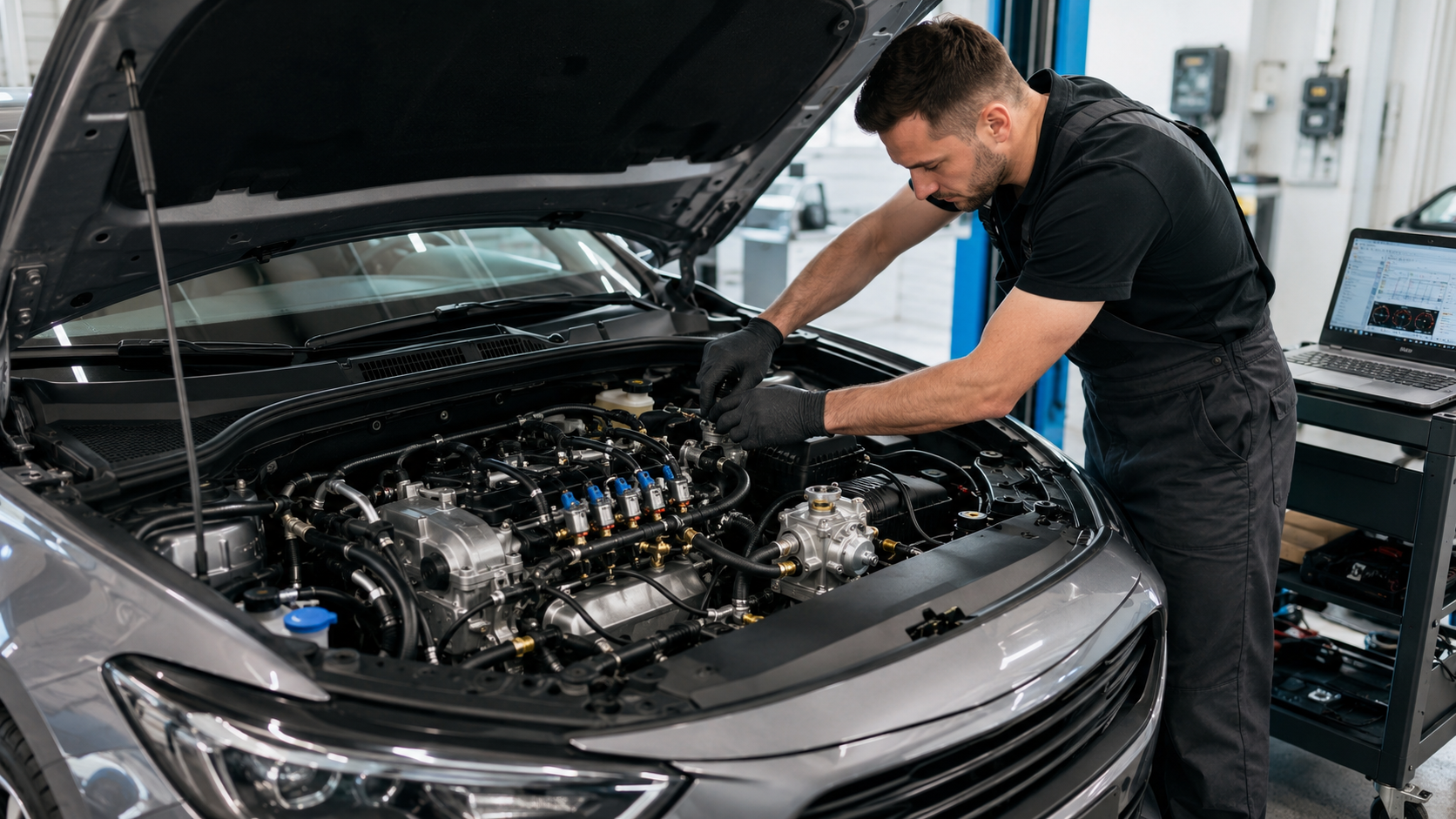
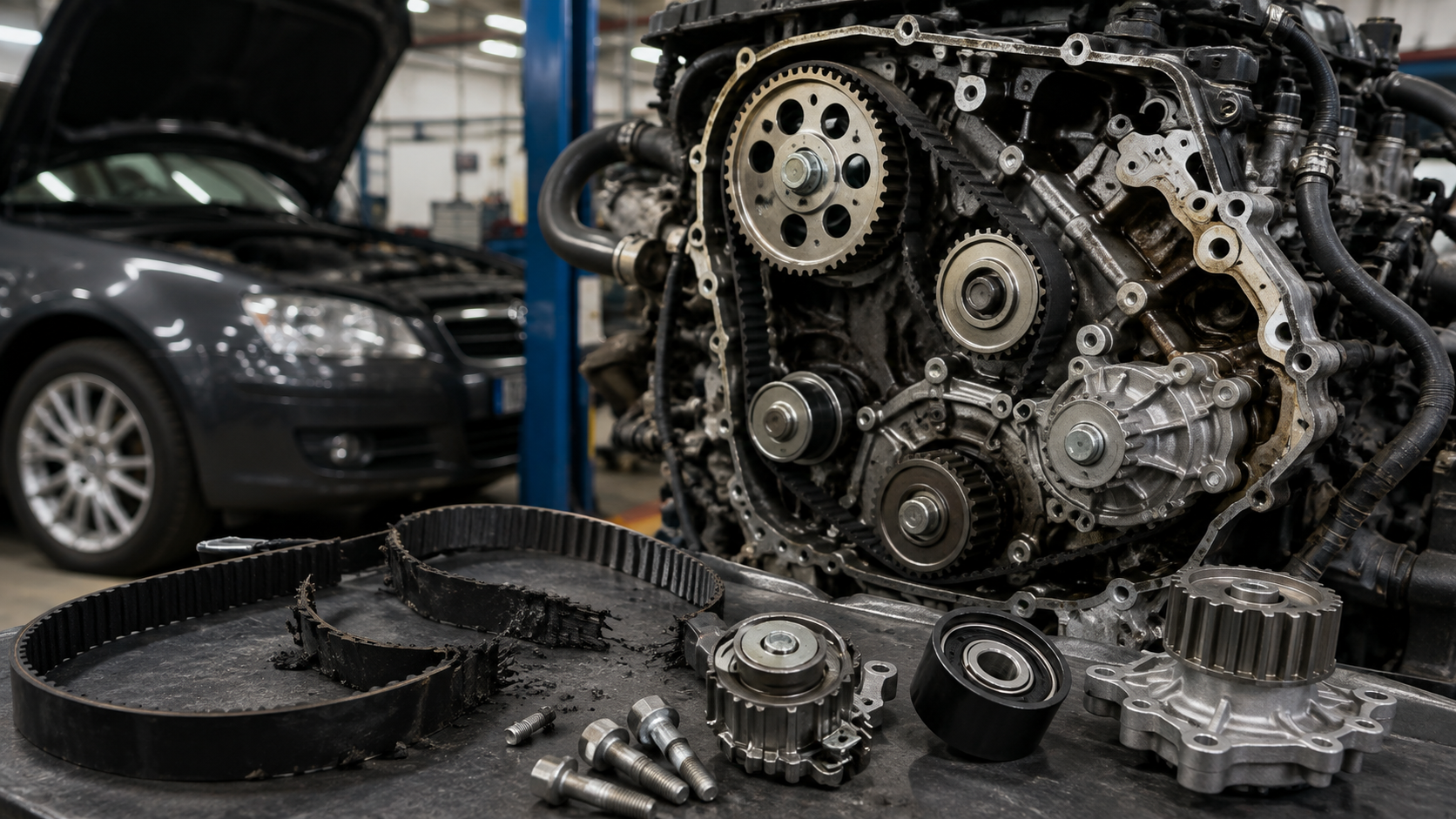
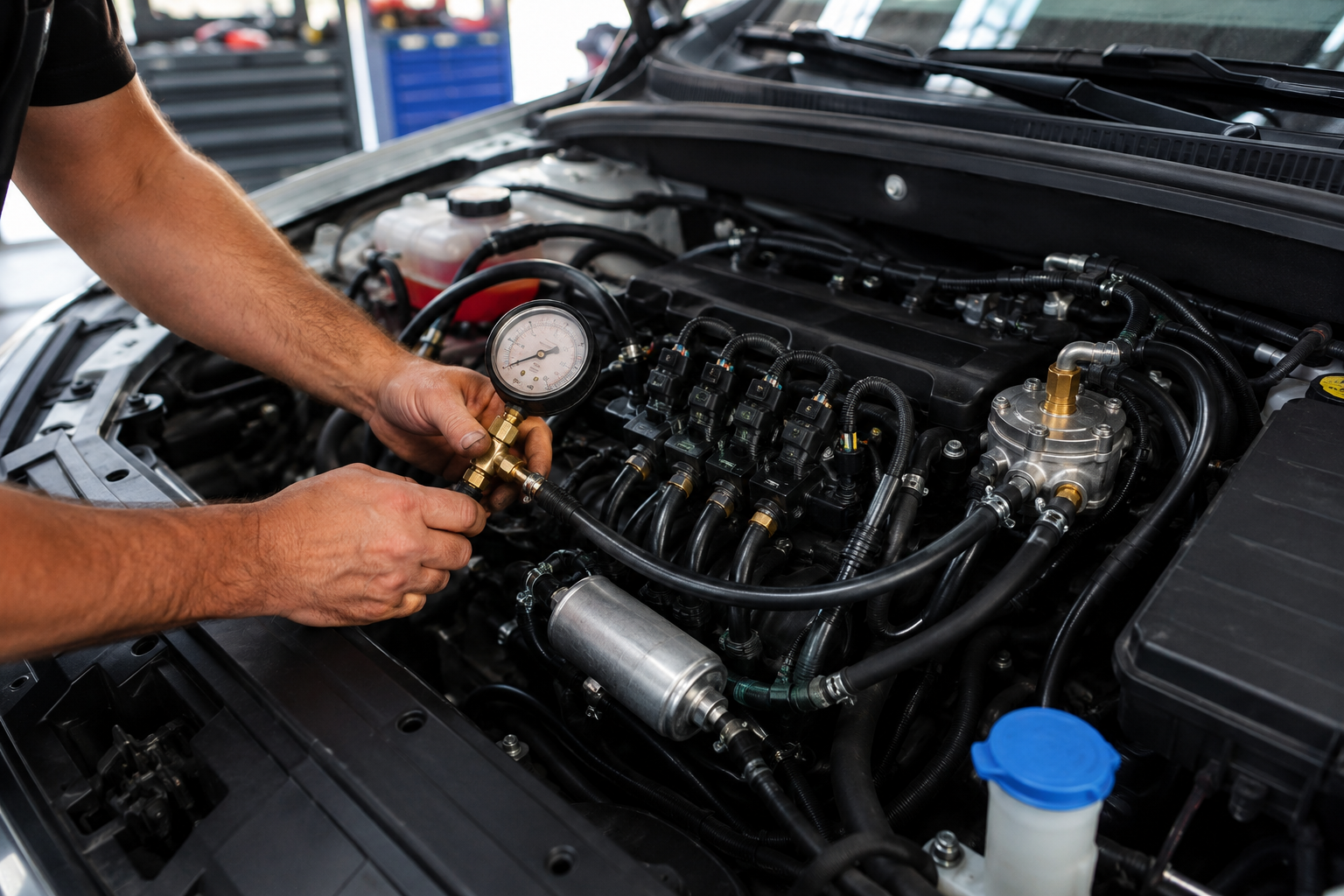
Mechanical engine wear without errors appears when physical changes in the components do not yet exceed the permissible limits, but already affect the operation of the engine. The driver may feel small fluctuations in idle speed, a slight drop in dynamics or a change in the sound of the engine, but the instrument panel remains clear, since the control system does not record critical deviations.
Modern engine control units are able to maintain stable operation even with gradual physical wear. They analyze data from many sensors: pressure in the cylinders, temperature, mixture composition, valve position and revolutions. Due to this, the engine works normally but is worn out. Engine wear without symptoms is practically imperceptible to the owner until physical changes go beyond the permissible tolerances.
How electronics compensate for wear

The control unit uses adaptive algorithms to adjust the operation of the intake, ignition and fuel injection. For example, if the compression in one cylinder decreases due to wear, the system can increase the duration of fuel injection or change the ignition timing. Electronics can also compensate for small deviations in the operation of injectors, valve contamination or minor air leaks.
Electronic fault compensation allows you to maintain stability of revolutions, predictable reaction to the gas pedal and normal engine power. Even with a gradual decrease in engine life, the driver may not notice the deviations. Adaptation algorithms automatically adjust the operating parameters to the actual state of the components, creating the illusion of a serviceable engine, although physical wear is already present.
To what limits can the system adapt
The adaptation limits are determined by factory tolerances and the resource of components. Electronics can compensate for:
- reduced compression in individual cylinders;
- partial contamination of injectors or valves;
- minor backlash of mechanical parts;
- small air leaks in the intake tract;
- minimal changes in mechanical clearances due to operation.
As long as physical wear does not exceed these limits, the engine operates stably and fault codes are not generated. This explains why engine wear without symptoms often goes unnoticed in the early stages, even with intensive operation. The adaptation system maintains engine operation at an optimal level, but its resources are limited, and sooner or later physical changes will become noticeable.
What happens after the limits are exceeded
When wear exceeds the adaptive capabilities of the system, the electronics can no longer fully compensate for the changes. The following appear:
- uneven engine operation;
- fluctuations in idle speed;
- a noticeable drop in power under load;
- increased vibration and changes in the engine sound.
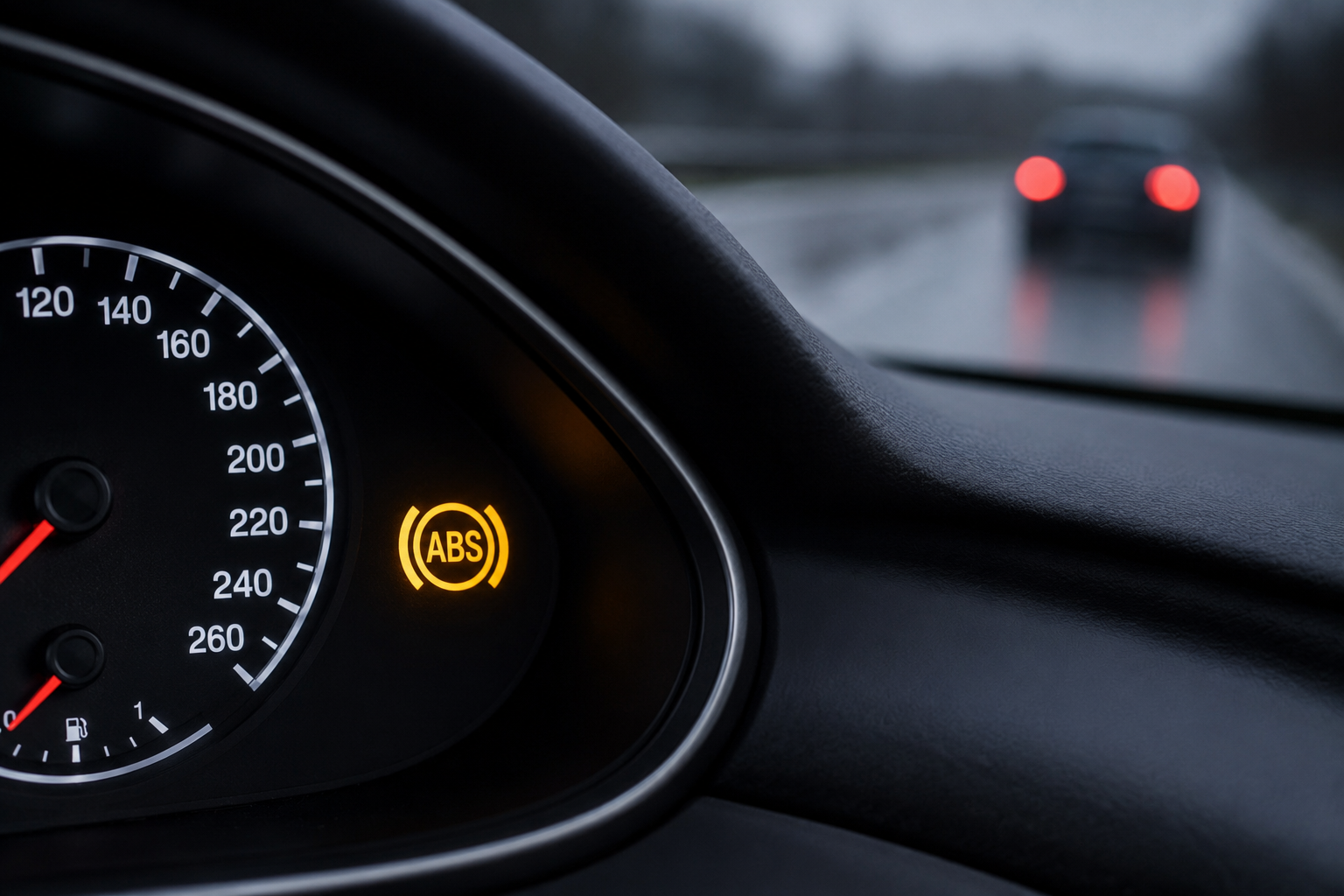
At this point, the control unit begins to generate error codes, and the instrument panel signals a malfunction. Up to this point, the engine was working “supposedly normally”, but the physical resource of the parts has already been partially used up. Even if the engine seems stable, hidden wear can negatively affect the economy and reliability of operation.
Why it is important to understand hidden wear
Understanding the mechanism of hidden wear allows you to plan maintenance in advance and avoid serious breakdowns. Even if the engine operates stably and without errors, the resource of parts gradually decreases. Ignoring this process can lead to:
- decreased economy and increased fuel consumption;
- increased wear of other components;
- the need for expensive repairs in the future;
- unpredictable engine operation in peak modes.
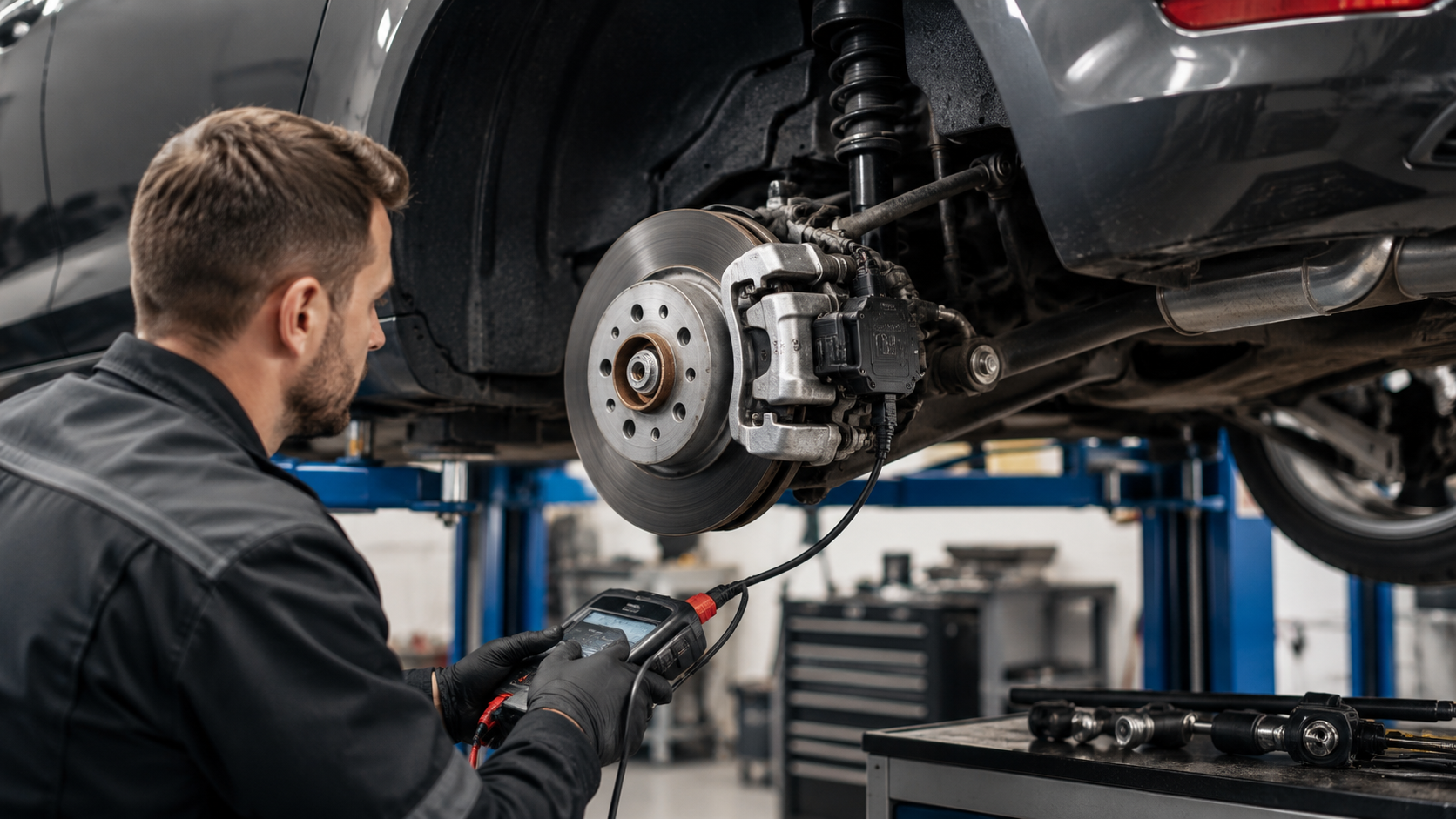
The car owner should take into account that electronic compensation creates only a temporary effect of stability. To fully assess the condition of the engine, it is necessary to conduct comprehensive diagnostics, including checking compression, injectors, valves and mechanical clearances. This allows you to predict when the resource of the components will be exhausted, and to carry out maintenance or replacement of components in a timely manner.
Understanding hidden wear not only helps maintain reliable engine operation, but also allows you to maintain its resource at the maximum possible level, even without errors appearing on the dashboard. This approach reduces the risk of expensive repairs and ensures stable operation of the car for a long time.
Top popular news
- Car Interior Detailing: When a Vacuum Cleaner Is No Longer Enough
- Electric Vehicle Brake Pads: Longer Service Life with a Hidden Risk
- LED Instead of Halogen in a Factory Headlight: Why a Simple Replacement Does Not Work
- LPG Tank Inspection: Service Life and Safe Operation
- How Many Times Can You Polish a Car Body: What Determines the Service Life of the Clear Coat
- Paintless Dent Repair: Which Defects Are Suitable for PDR
- Installing LPG on a new car: not every engine works equally well on gas
- Seasonal tyre changes: more than simply swapping wheels

Subscribe to our newsletter!
To stay updated with the latest news
Related services


Book a service