Daily with | 08:00 - 20:00


Find

Contact us

Kyiv
st. Garmatnaya, 3
 Мережа СТО в місті

Kyiv
st. Garmatnaya, 3
 Мережа СТО в місті

 Години роботи
 Daily with
08:00 - 20:00
Why does the engine work worse after repair without errors
Expecting results after repair
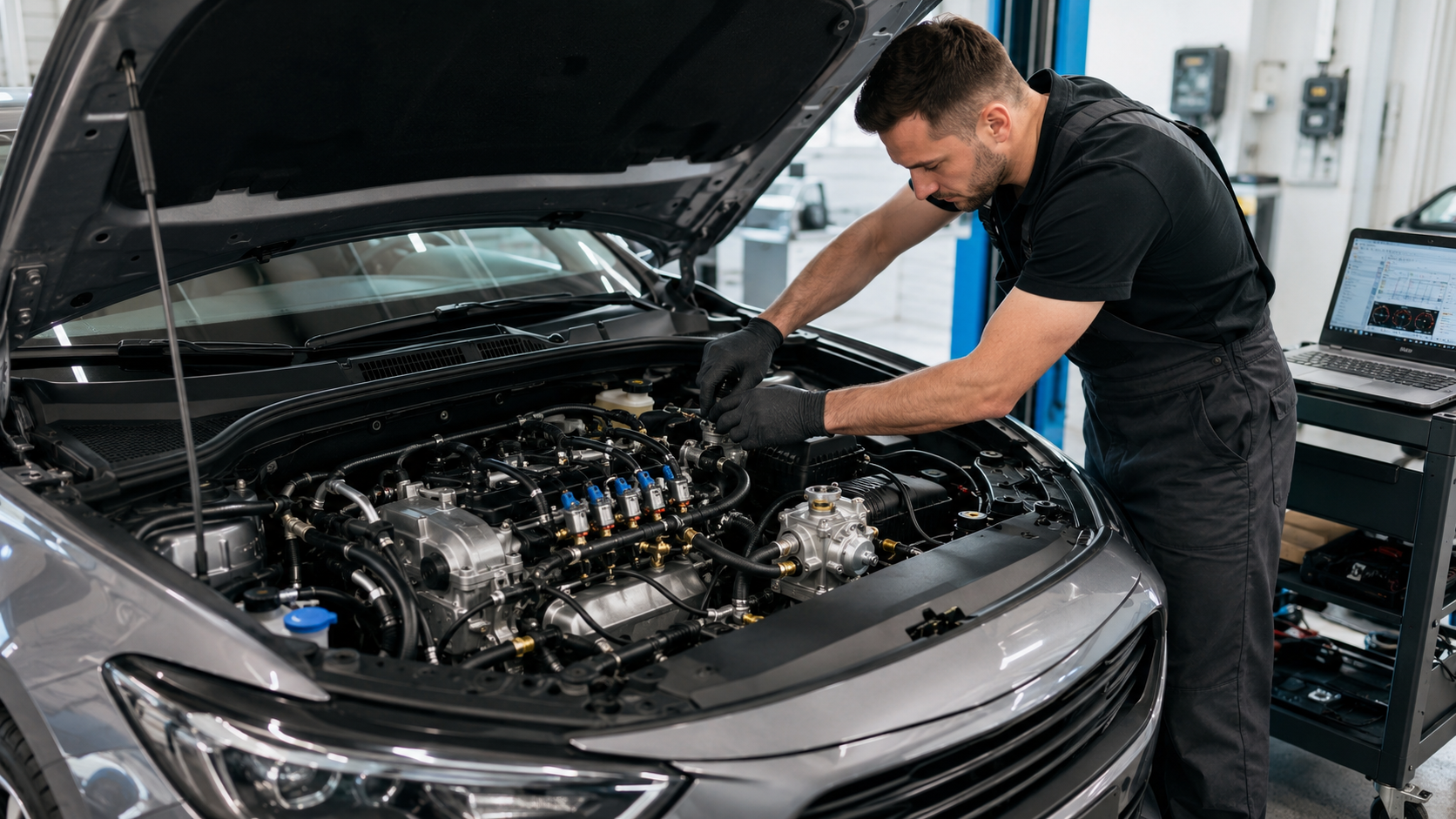
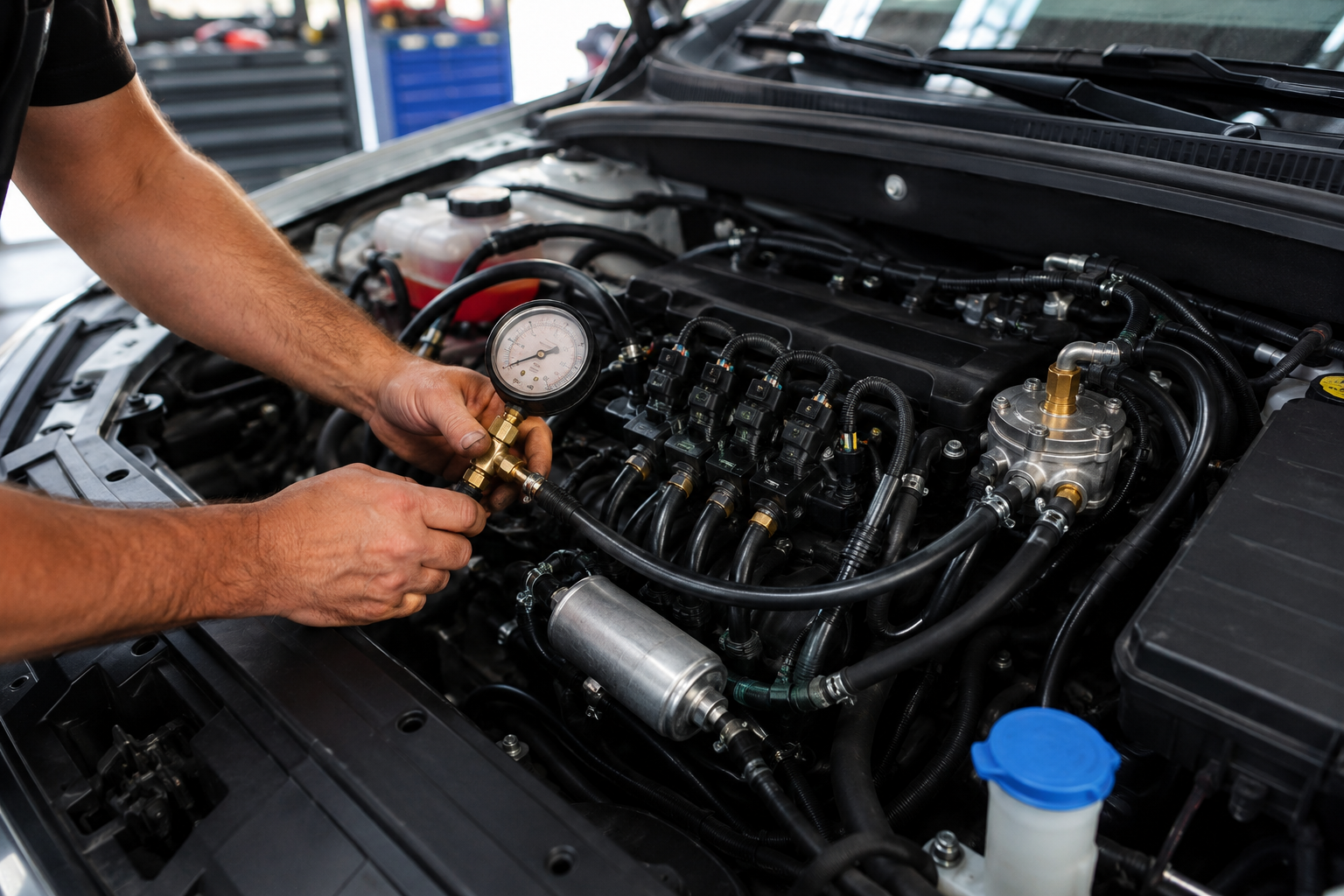
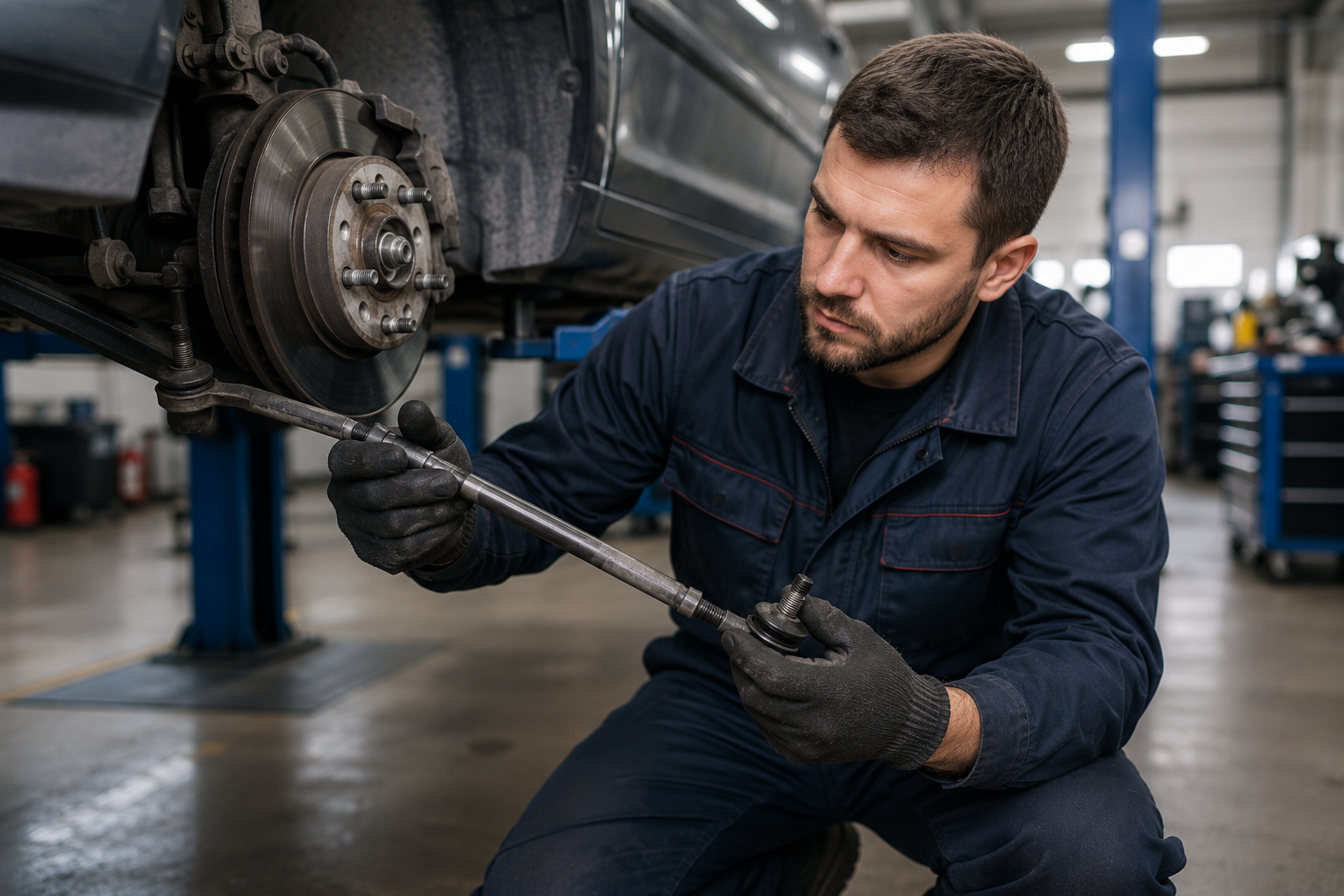
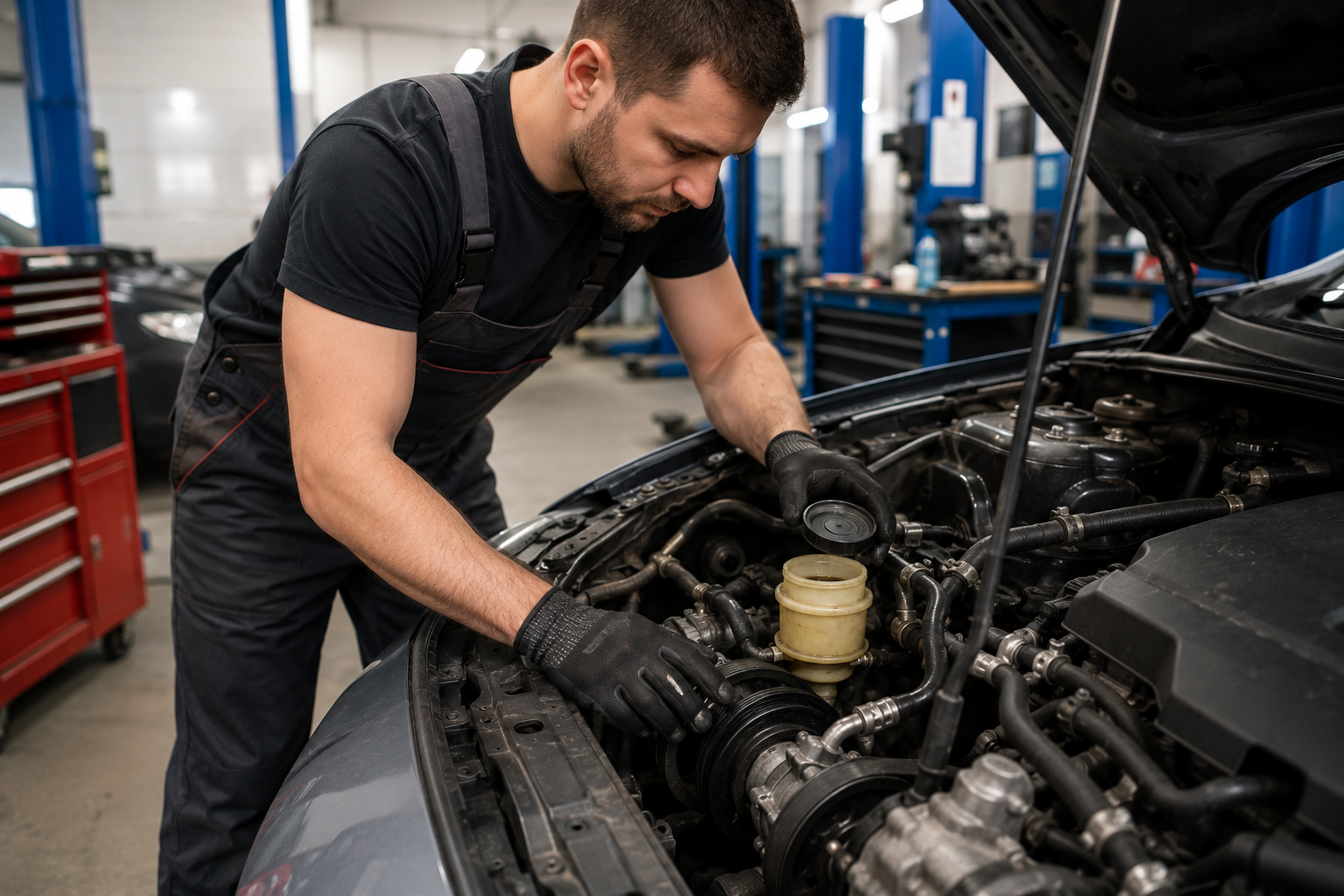
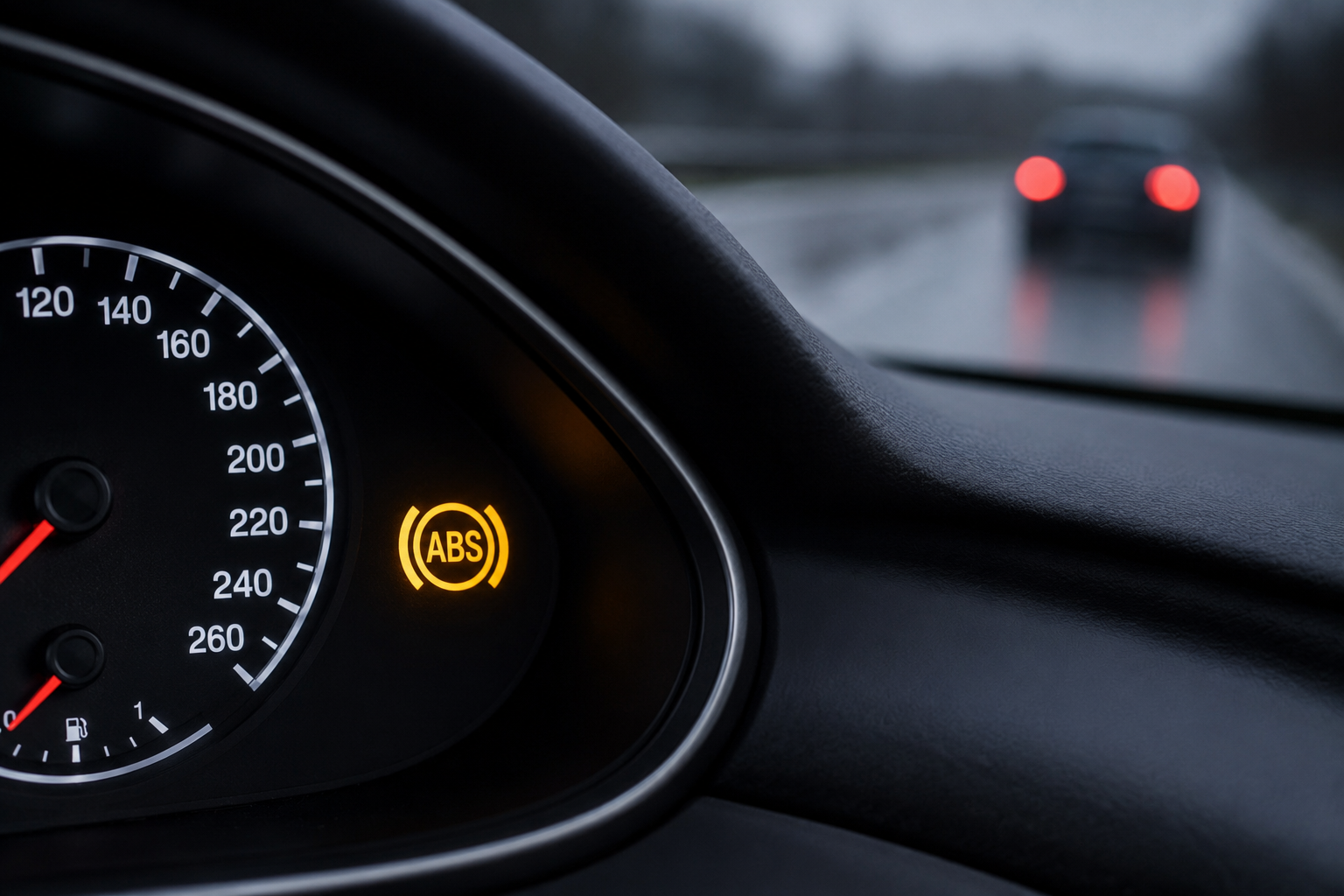
After repair or replacement of parts, drivers expect the engine to restore full power and smooth operation. However, often the engine works worse after repair without errors. The driver feels a delay in responding to the gas pedal, increased vibration or unstable revs. Despite noticeable changes in the car’s behavior, the instrument panel remains clean – the system does not record deviations, because they do not exceed the permissible limits set by the manufacturer in the control algorithms.
Such manifestations are typical problems after engine repair, especially if the new parts were not fully compatible with existing components or their adaptations were not updated. The absence of errors creates a false impression that the engine is in good condition, although its operation has changed. The car owner often does not realize that some operating parameters have been violated, and the system must be given time to adapt.
The role of adaptations after replacing parts

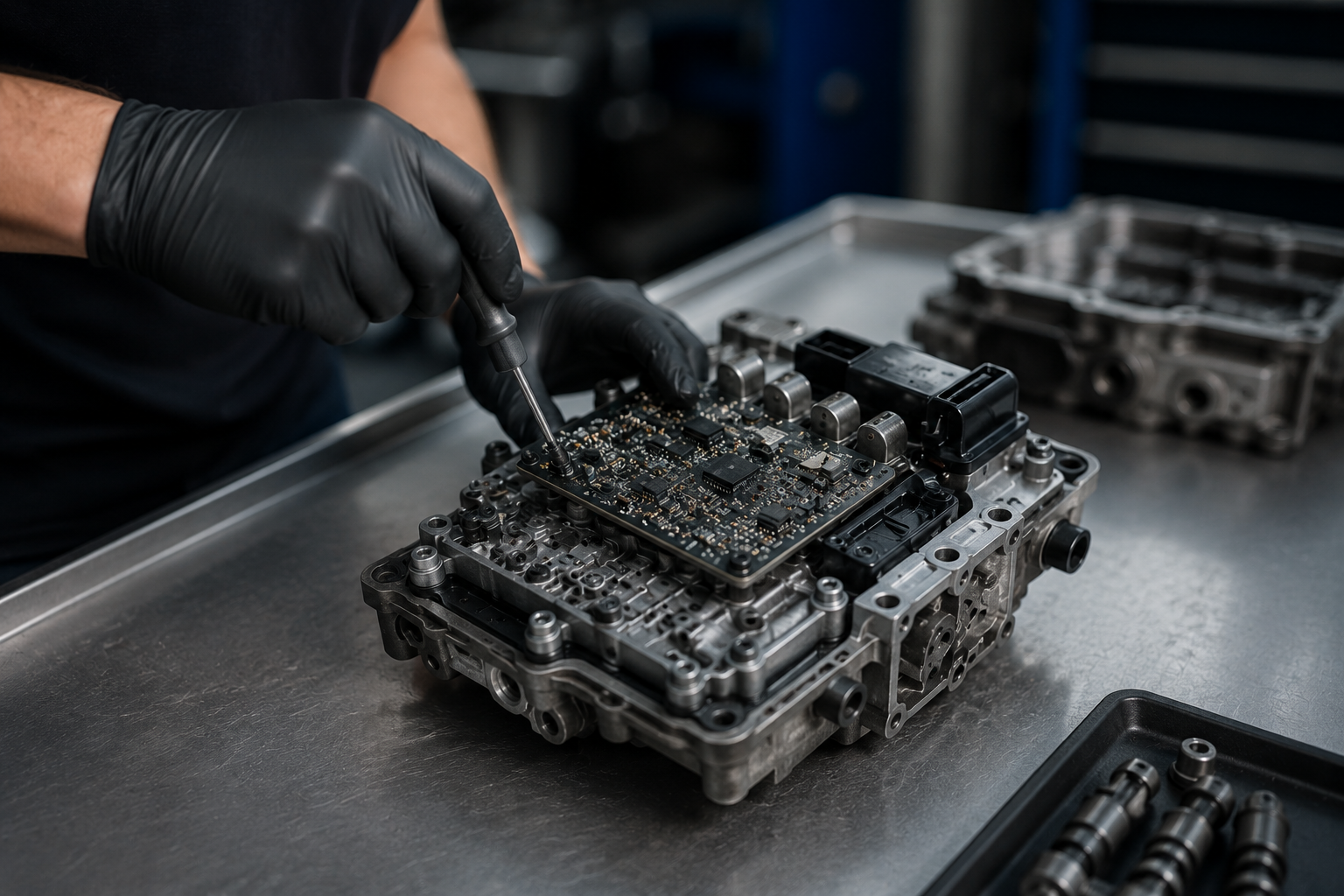
A modern engine control unit uses adaptive parameters to optimize the system’s operation. After replacing injectors, sensors or valves, these algorithms must be readjusted to the new characteristics of the components. Adaptation after replacing parts includes calibrating fuel supply, ignition timing and correcting sensor signals. Until the adaptation process is complete, the engine may work worse after repair without errors, because the electronics continue to apply old corrections that do not correspond to the real state of the new unit.
For example, changes in fuel supply or ignition may require time for the control unit to adjust the pulse duration. Calibration and re-adaptation allow you to compensate for deviations and restore optimal operation. Without this, the engine will show a noticeable decrease in power or uneven operation, although the system does not record errors. If the engine has not adapted after repair, this explains temporary problems even in the absence of fault signals.
Why errors do not appear
The absence of fault codes is explained by the principle of the diagnostic system. The control unit reacts only to exceeding the set thresholds. New parts may have slight differences in characteristics – slightly different resistance, injection accuracy or sensor sensitivity. Such changes create the feeling that the engine is a little “not pulling”, but do not exceed the permissible limits, so the error does not occur.
In addition, the electronics compensate for deviations with old adaptations. If the injector or sensor works slightly differently, the control unit changes the pulse duration or ignition timing to maintain stability. Because of this, the symptoms manifest themselves in the feeling of deteriorated dynamics, but the system remains “calm”. That is, the engine has not adapted – and this explains the absence of errors on the panel.
Typical situations after repair
Often, the engine works worse after repair without errors in the following cases:
- after replacing the injectors, the control unit has not yet adapted the fuel supply duration;
- after repairing the valves or the engine block head, mechanical clearances have changed, which affects the combustion process;
- new pressure or temperature sensors have slight deviations from the characteristics of the old ones, which takes time to re-adjust the algorithms;
- Replacing the turbine or supercharging system creates different operating conditions for the intake tract, which the control unit compensates for gradually.
In all these cases, the electronics perceive the condition as acceptable and do not generate an error code, although the driver notices changes in the car’s behavior.
Why the problem manifests itself over time
The adaptation program gradually reconfigures the operation of the components to new characteristics. At the beginning after the repair, the engine may operate unstable, the speed fluctuates, and a slight drop in power is observed. Over time, after several engine cycles, the control unit updates the corrections, optimizes the fuel supply and ignition timing. Gradually, smooth operation and dynamics are restored, and the feeling of deterioration disappears.
If adaptation did not occur due to calibration errors or mismatch of parts, the symptoms may persist longer. The engine continues to work worse after repair without errors, although the mechanical components are serviceable. This explains why the feeling of instability or power loss often occurs immediately after the repair and disappears only after a complete reconfiguration of the system.
After replacing parts, the engine may exhibit a deterioration in performance without errors due to the interaction of new components with existing adaptations, mismatch of characteristics and gradual reconfiguration of control units. The absence of fault signals does not guarantee perfect operation, but only indicates that deviations remain within acceptable tolerances. Even minor changes in the engine’s behavior after repair signal the need to give the system time to fully adapt and calibrate.
Top popular news
- Car Interior Detailing: When a Vacuum Cleaner Is No Longer Enough
- Electric Vehicle Brake Pads: Longer Service Life with a Hidden Risk
- LED Instead of Halogen in a Factory Headlight: Why a Simple Replacement Does Not Work
- LPG Tank Inspection: Service Life and Safe Operation
- How Many Times Can You Polish a Car Body: What Determines the Service Life of the Clear Coat
- Paintless Dent Repair: Which Defects Are Suitable for PDR
- Installing LPG on a new car: not every engine works equally well on gas
- Seasonal tyre changes: more than simply swapping wheels

Subscribe to our newsletter!
To stay updated with the latest news
Related services


Book a service