Daily with | 08:00 - 20:00


Find

Contact us

Kyiv
st. Garmatnaya, 3
 Мережа СТО в місті

Kyiv
st. Garmatnaya, 3
 Мережа СТО в місті

 Години роботи
 Daily with
08:00 - 20:00
Clutch failure: signs and need for repair
The role of the clutch in the operation of the gearbox

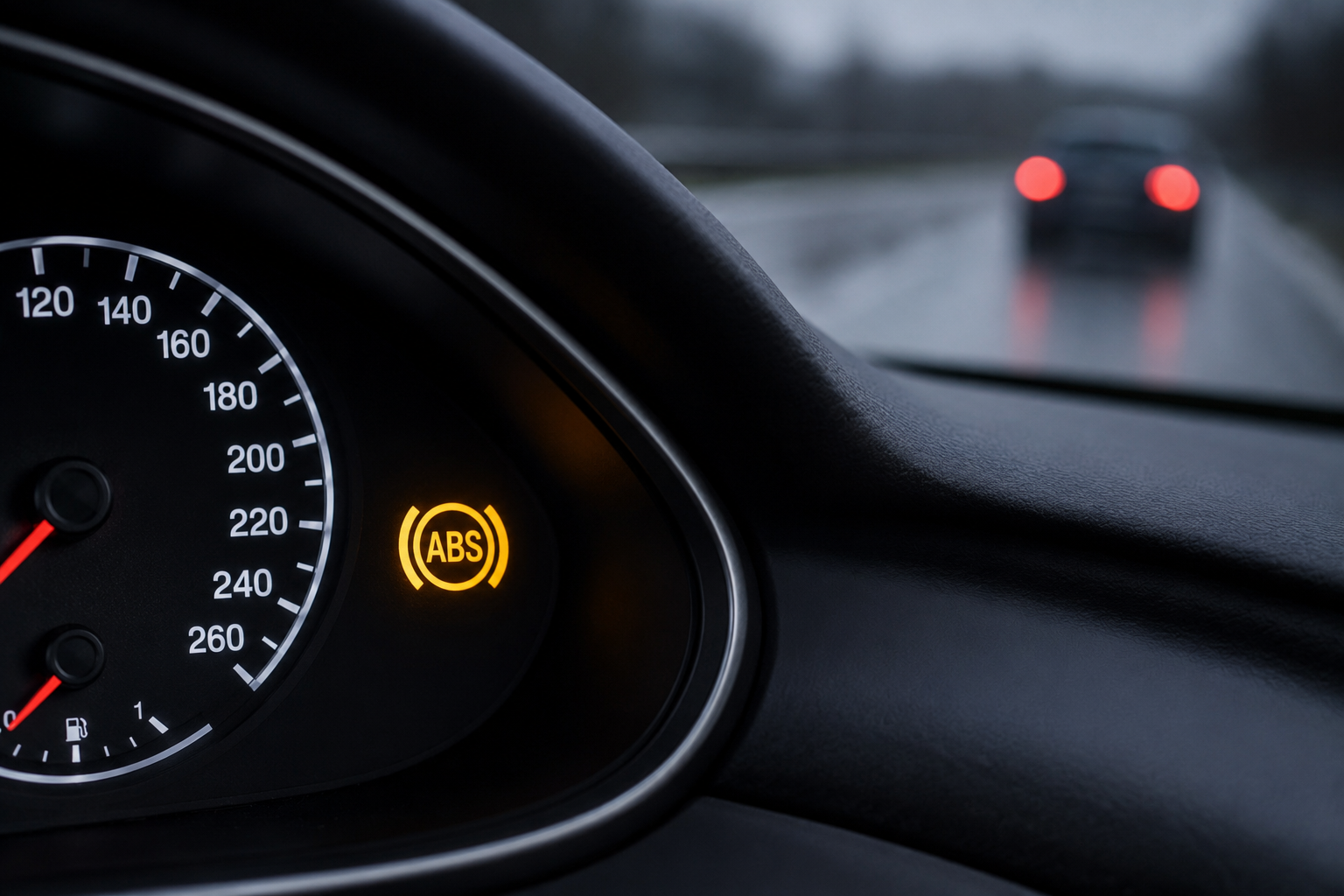
In modern cars, errors on the dashboard appear regularly. Electronic systems monitor the engine, transmission, brakes and other mechanisms. When sensors detect deviations from the norm, indicators light up. Drivers see various lights, but do not always know what they mean. Understanding what car errors mean allows you to identify the problem in time and prevent serious breakdowns.
Signals on the panel do not always indicate critical malfunctions, but ignoring them can worsen the car’s performance and increase repair costs. Often, electronic warnings are accompanied by mechanical manifestations, for example, gearbox noise.
What indicators are most common?
On the panel you can see lamps that signal the state of the engine, brakes, oil, battery and other systems. Each signal is responsible for a specific unit and helps to identify the problem in a timely manner.
Critical indicators require immediate stopping of the car, serious ones require scheduled diagnostics, informational ones are only for monitoring maintenance. The indicators on the instrument panel help to avoid damage to the engine, transmission and electronic systems of the car.ї
Appearance of extraneous noise from the gearbox
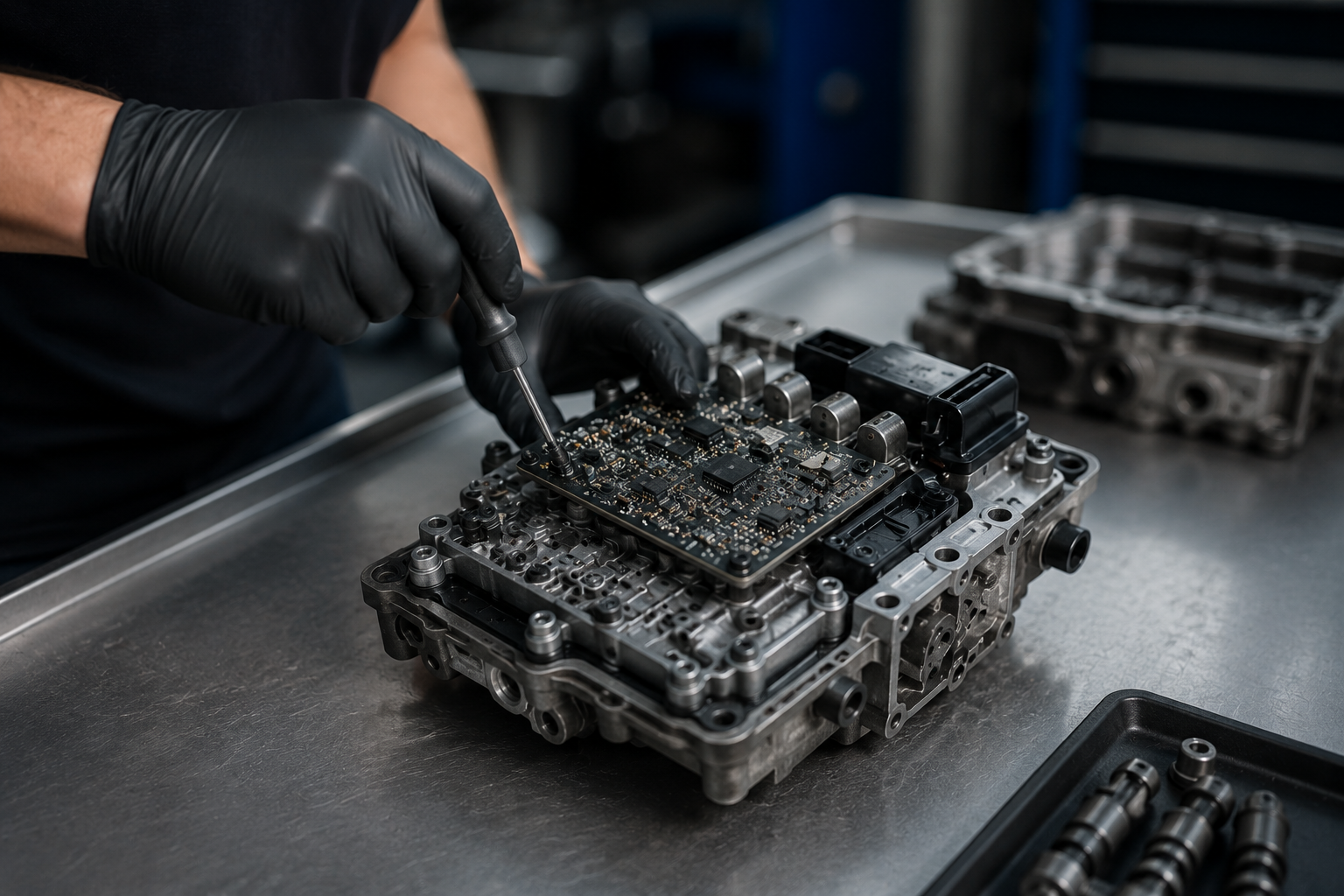
Transmission hum or extraneous noise in the transmission is often the first sign of transmission problems. Drivers notice it during acceleration, cruising, or when shifting gears. This noise can indicate worn gears, bearings, or other internal components. The transmission transmits torque from the engine to the wheels, ensuring smooth gear changes and vehicle stability. Ignoring why the transmission is humming can lead to serious damage and expensive repairs.
The main causes of hum in the box:
- Gear wear, which causes an uneven hum when shifting.
- Deformed or worn bearings, which create low-frequency noise.
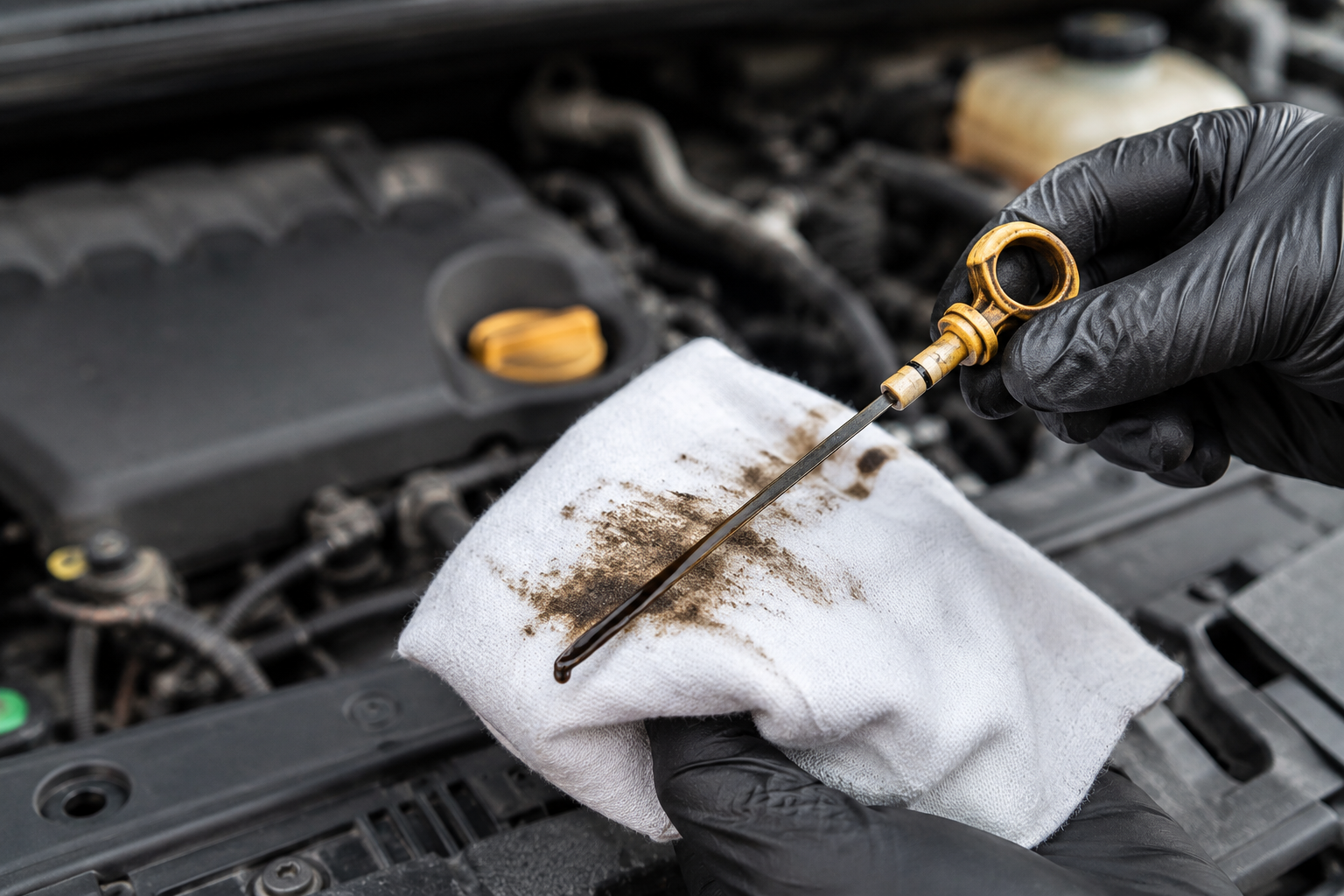
- Low oil level or contaminated oil, which increases friction and accelerates wear.
- Mechanical damage to the housing: cracks, loose fasteners.
- Overheating of the gearbox due to high revs without oil cooling.
The nature of the noise allows you to preliminarily determine the source of the problem: low-frequency hum – wear of bearings, grinding or sharp noises – damage to the gear teeth.
The role of the clutch in the operation of the gearbox
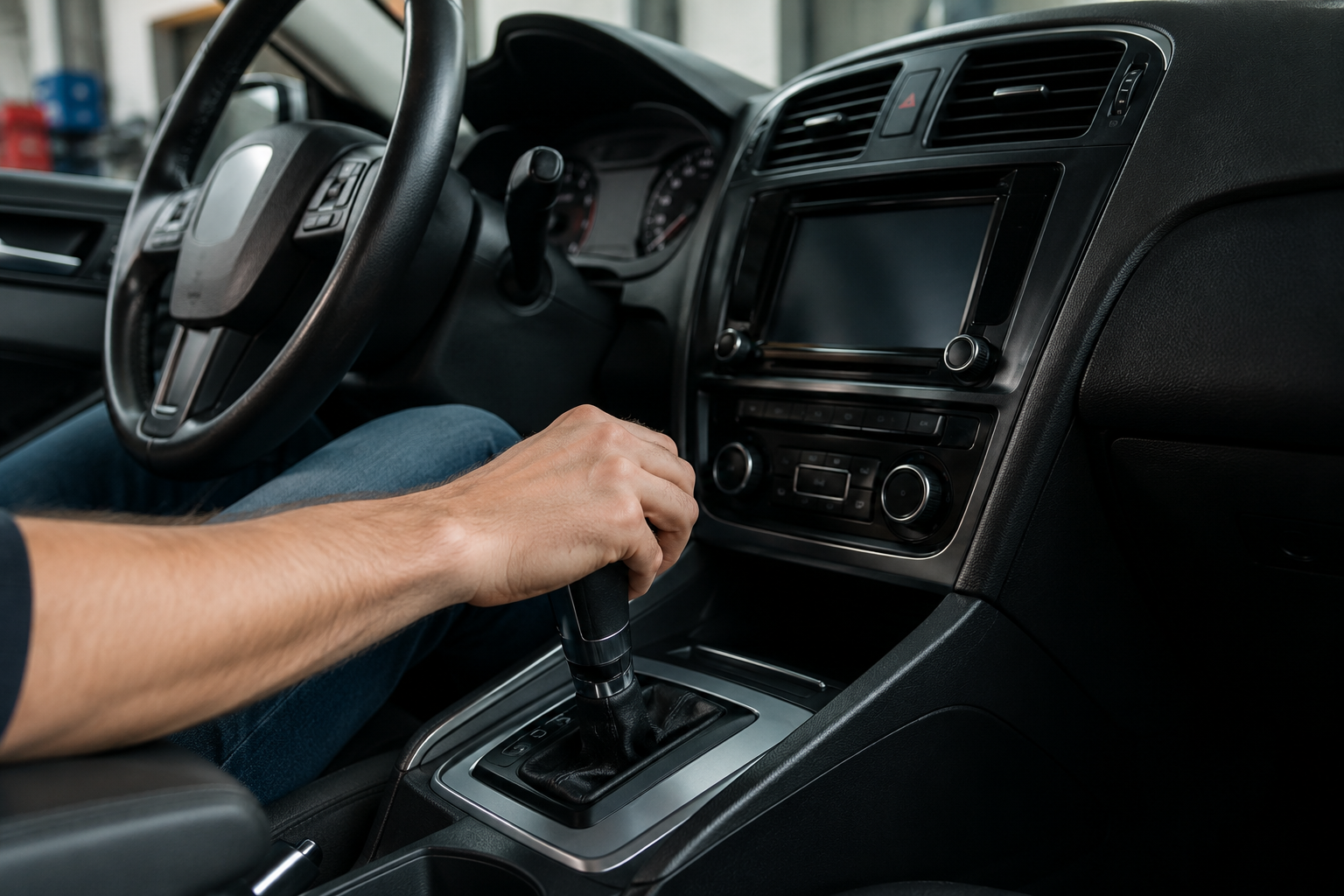
The clutch is a key element of the transmission, which ensures the transmission of torque from the engine to the gearbox. It allows you to move off smoothly, change gears without jerks and control the dynamics during acceleration or braking. Driving comfort and safety depend on the serviceability of the clutch, especially on wet or slippery roads.
Signs of clutch failure:
- Clutch slippage. The wheels spin faster than the engine can, which leads to overheating of the disc and increased fuel consumption.
- Difficult gear shifting. The pedal may be hard to press or create a feeling of “jerky” gear engagement.
- Extraneous sounds. A creaking or light knocking indicates wear of the release bearing or uneven contact of the disc with the flywheel.
- A burning smell during active movement or wheel slippage.
- Pedal vibrations or vehicle jerks due to uneven contact of the disc with the flywheel.
Ignoring these symptoms leads to clutch problems, transmission wear, and an increased risk of breakdowns.
Clutch repair or replacement becomes necessary when any of the symptoms described appear. When to change the clutch depends on driving style, operating conditions, and type of transmission. Timely diagnostics and repair allow you to maintain stable and safe transmission operation.
When to seek diagnosis
Diagnostics is necessary if there is a constant hum, a change in the nature of the noise, clutch slipping or extraneous sounds. Signs that require checking:
- Constant humming when driving.
- Grinding or sharp noises when shifting gears.
- Difficulty in shifting gears or increased friction.
- Vibrations and jerks in the wheel drive.
- Clutch slipping or burning smell during heavy driving.
Timely diagnostics allow you to assess the condition of bearings, gears, oil and clutches, and prevent serious breakdowns and expensive repairs.
Top popular news
- Car Interior Detailing: When a Vacuum Cleaner Is No Longer Enough
- Electric Vehicle Brake Pads: Longer Service Life with a Hidden Risk
- LED Instead of Halogen in a Factory Headlight: Why a Simple Replacement Does Not Work
- LPG Tank Inspection: Service Life and Safe Operation
- How Many Times Can You Polish a Car Body: What Determines the Service Life of the Clear Coat
- Paintless Dent Repair: Which Defects Are Suitable for PDR
- Installing LPG on a new car: not every engine works equally well on gas
- Seasonal tyre changes: more than simply swapping wheels

Subscribe to our newsletter!
To stay updated with the latest news
Related services


Book a service