Daily with | 08:00 - 20:00


Find

Contact us

Kyiv
st. Garmatnaya, 3
 Мережа СТО в місті

Kyiv
st. Garmatnaya, 3
 Мережа СТО в місті

 Години роботи
 Daily with
08:00 - 20:00
Why cars break down without errors: how electronics don’t always detect malfunctions

The myth of “no errors means everything is fine”
Many owners of modern cars are convinced that the absence of error codes in the diagnostic equipment guarantees the serviceability of the vehicle. In fact, cars break down without errors quite often. The engine may work unstable, jerks appear during acceleration, fuel consumption increases or dynamics decrease, and the system does not record any fault codes. This situation creates the illusion that the car is completely serviceable, although in fact problems have already begun to appear.
How the error detection system works
Modern electronic systems monitor the condition of the car through sensors and control modules, and not directly through the physical state of the components. The control unit (ECU) receives signals and compares them with the set limit values. If the parameter goes beyond the limits or the signal disappears completely, an error code is generated. However, if the indicators remain within the permissible limits, the system does not record any malfunction, even if the car’s behavior changes and there are already signs of a malfunction.
That is why error-free diagnostics do not always reflect the real state of the vehicle. In addition, the control unit operation algorithms often include corrections and adaptations. For example, when compression decreases or sensor signals fluctuate slightly, the system adjusts the fuel supply and ignition timing, masking the problem. As a result, the owner does not see errors, although the component resource has already been reduced.
Typical failures without fixation in the system
There are several categories of problems that often manifest themselves without codes:
- Worn sensors: they transmit a logically valid signal that does not exceed the limit values, but is actually incorrect.
- Fuel system problems: leaks, clogged injectors or vacuum losses may not cause errors, because the system compensates for deviations.
- Mechanical wear of components: valves, pistons, bearings, belts and chains are not directly controlled by electronics, so system adaptations hide the first signs of failure.
- Electronic failures: ECU corrections, adaptations to temperature, humidity or load often hide the problem until the moment of critical deviation.
In such cases, the car breaks down without errors, and standard scanning does not show the real problem.

The role of mechanical wear
Mechanical wear is one of the main reasons why a car breaks down without errors. Electronic systems are able to compensate for minor deviations in the operation of mechanisms, maintaining stable operation of the engine and other components. For example:
- worn valves reduce compression, but the ECU adjusts the fuel supply;
- wedging of transmission mechanisms creates jerks that sensors do not always record;
- loss of tightness in vacuum lines may not generate error codes until a critical pressure drop.
As long as adaptations remain within the limits of the operating algorithms, errors do not appear, although the resource of the components has already been reduced.
Why is in-depth diagnostics needed?
- Error-free diagnostics are limited to standard code reading. To detect malfunctions, a comprehensive analysis is required:
checking adaptations and sensor parameters in real time; - assessing the interaction of electronic systems and mechanical components;
- comparing the actual operation of components with standard parameters;
- analyzing the ECU operation algorithms and fuel and ignition corrections.
Only this approach can explain why there are no errors in the car, but problems are already occurring. It allows you to detect deviations at an early stage, prevent critical breakdowns and plan maintenance more effectively.
Mechanical wear, gradual signal deviations and ECU corrections often hide the problem from the owner. Therefore, regular in-depth error-free diagnostics are necessary to assess the real condition of the car and prevent serious breakdowns.
Top popular news
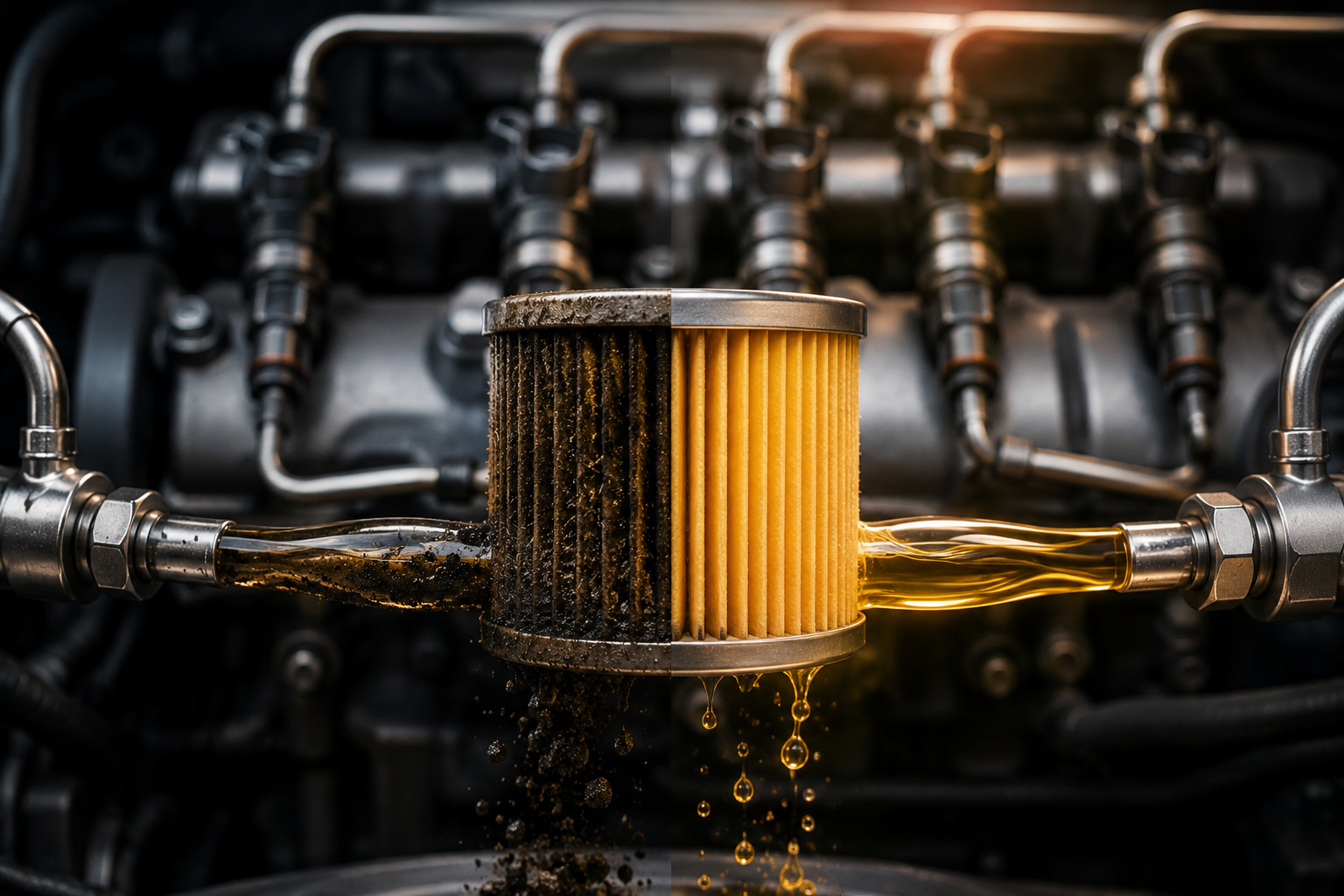
- Symptoms of a Clogged Fuel Filter: How to Protect Fuel Injectors from Dirt, Water, and Poor-Quality Fuel
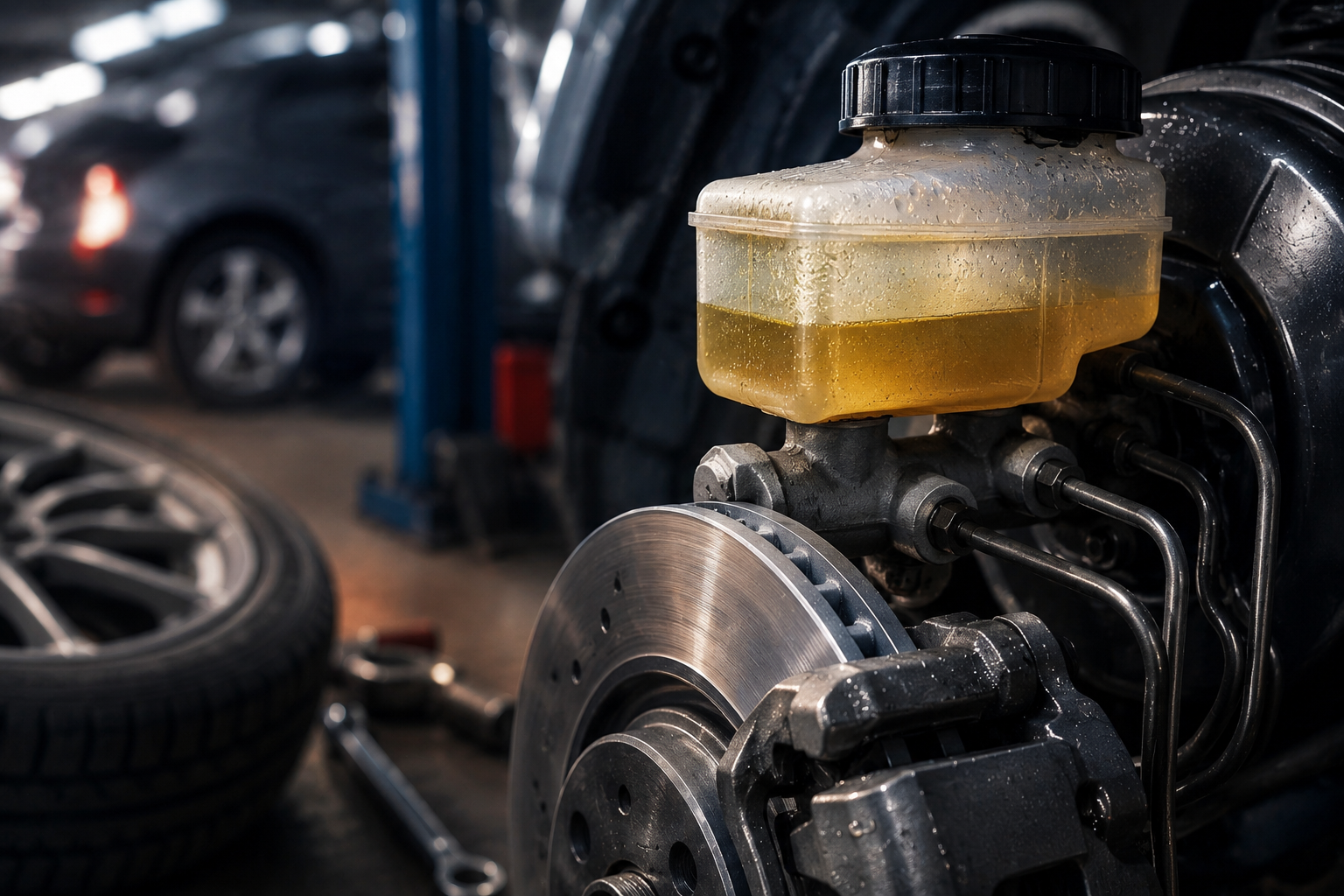
- When Brake Fluid Needs to Be Replaced and Why You Should Never Ignore the Service Interval
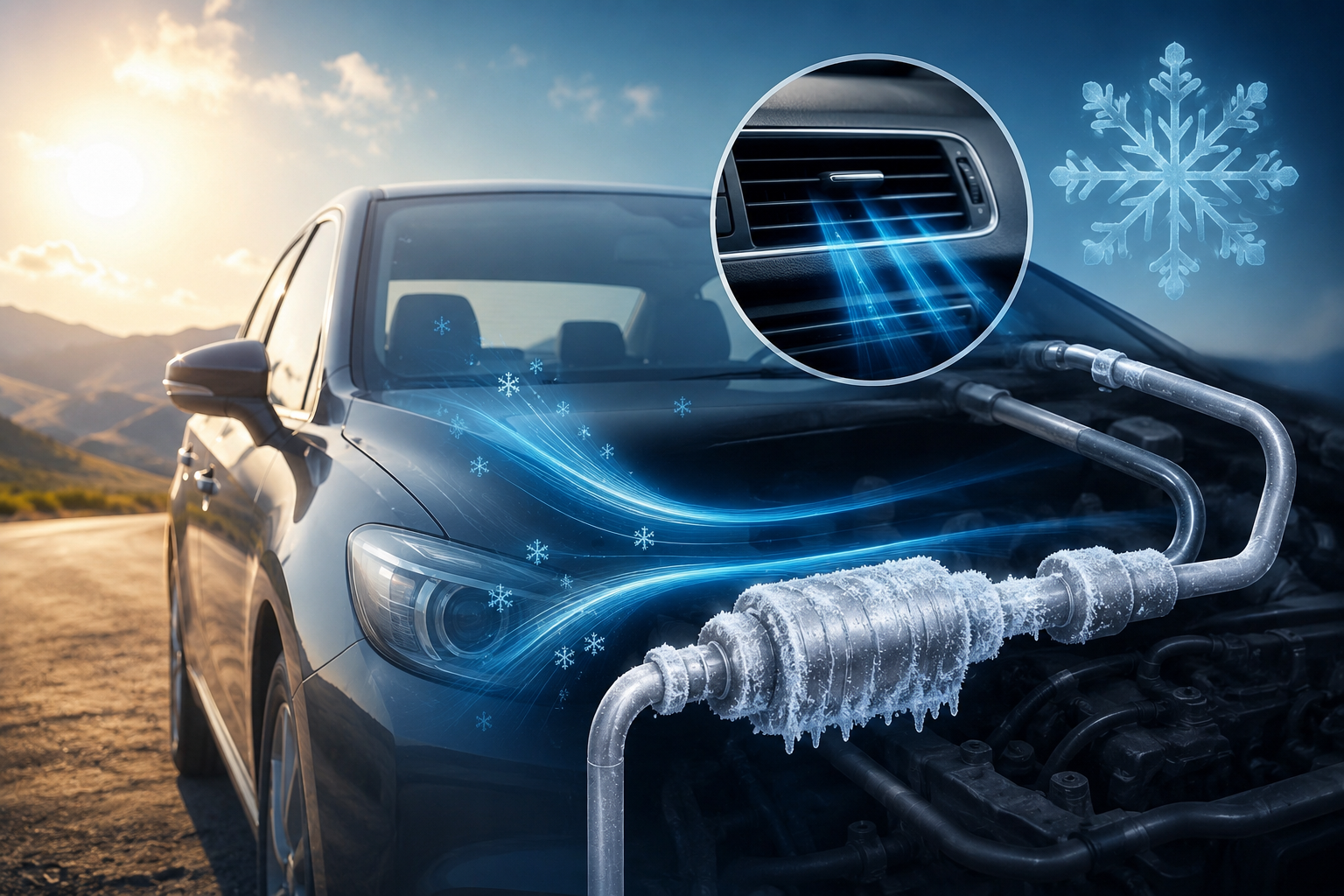
- Air Conditioner Pipe Freezing in a Car: Finding the Causes of Thermal Regulation Failure
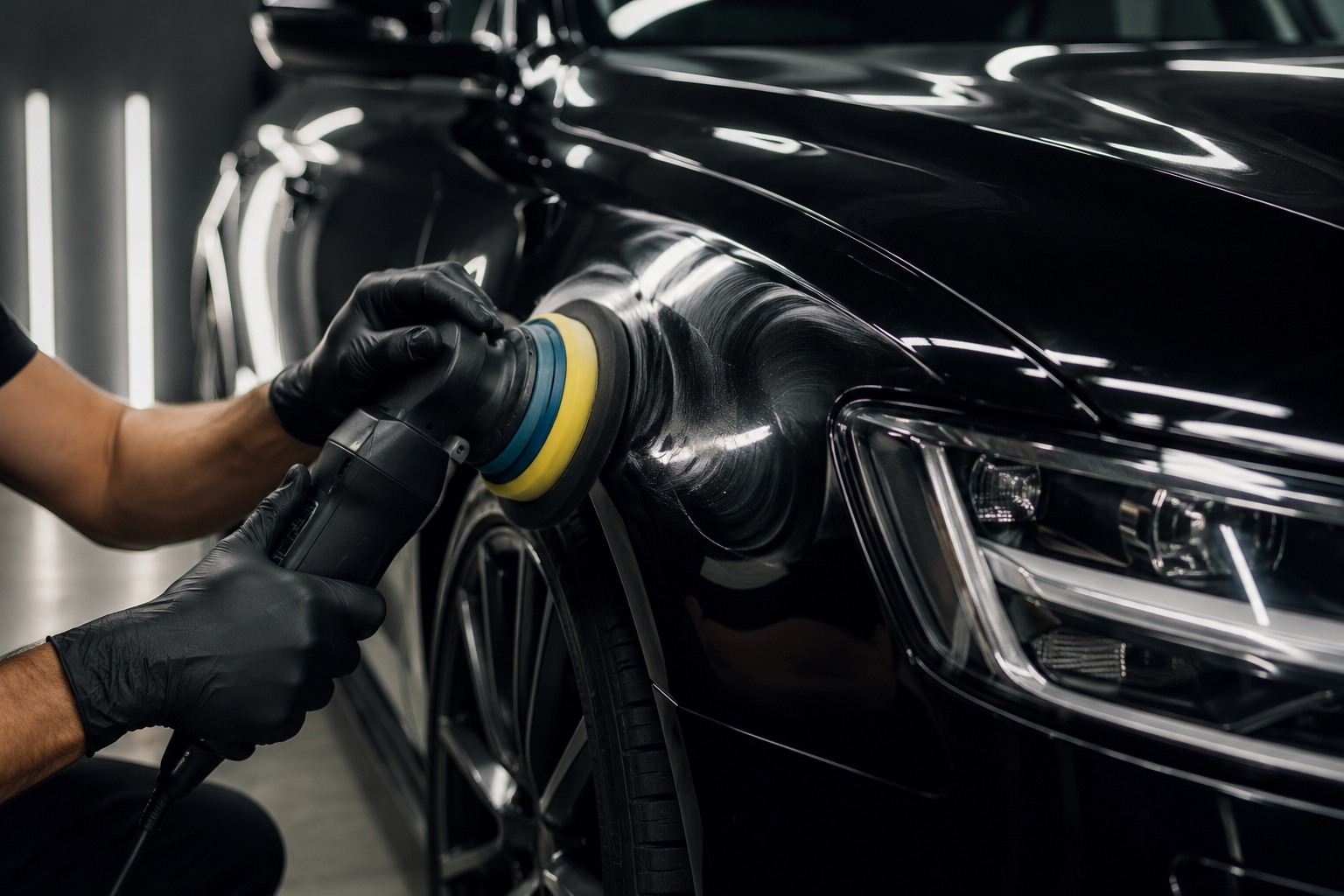
- Abrasive Car Body Polishing: How to Remove Scratches Without Wearing Through the Clear Coat
- Paintless Dent Repair in Kyiv: When You Can Avoid Repainting Your Vehicle
- Vehicle stability control: how electronics help you stay in control
- Why the ABS warning light comes on and how dangerous it is
- When replacing spark plugs becomes a necessity, not prevention

Subscribe to our newsletter!
To stay updated with the latest news
Related services


Book a service