Daily with | 08:00 - 20:00


Find

Contact us

Kyiv
st. Garmatnaya, 3
 Мережа СТО в місті

Kyiv
st. Garmatnaya, 3
 Мережа СТО в місті

 Години роботи
 Daily with
08:00 - 20:00
Gearbox noise: main causes and signs of problems
Appearance of extraneous noise from the gearbox

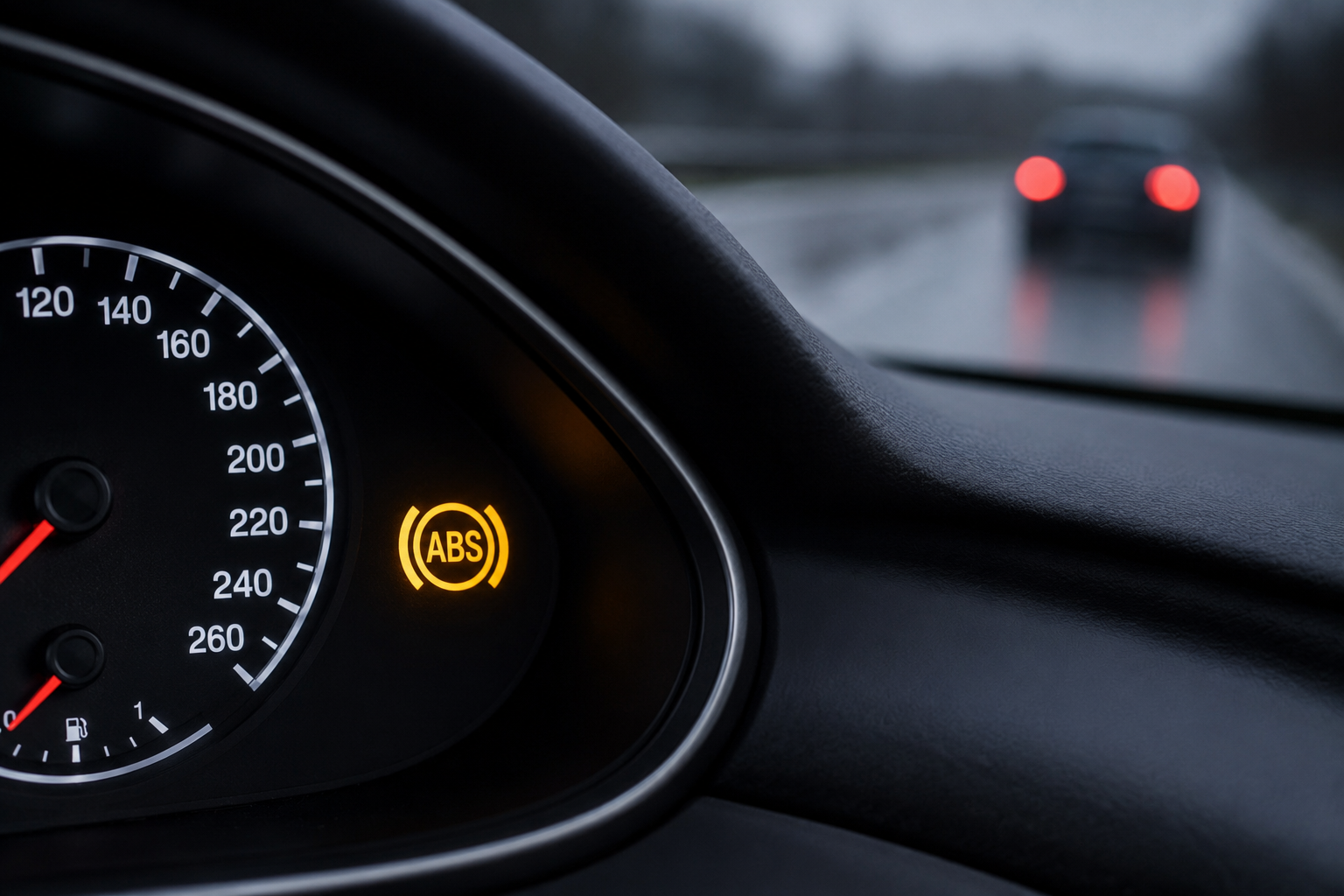
In modern cars, errors on the dashboard appear quite often. Electronic systems monitor the engine, transmission, brakes and other components. When sensors detect deviations from the norm, indicators light up. Drivers see various lights on the panel, but they do not always know what they mean. Understanding what the indicators on the dashboard mean helps to identify problems in time and prevent serious breakdowns.
Signals do not always indicate critical malfunctions, but ignoring them can lead to deterioration of the car’s performance and increased repair costs. It is important to know that warnings on the panel are not limited to electronics – they are often accompanied by mechanical signs, for example, noise from the transmission.
What indicators are most common?
On the dashboard you can see lamps that report on the status of the engine, brakes, oil, battery and other systems. Each signal is responsible for a specific unit and allows the driver to identify the problem in a timely manner. For example, the engine light signals malfunctions registered by the sensors of the electronic system, and the brake indicator reports a low fluid level or the condition of the parking brake.
It is important to know that what car errors mean is not always easy to read on the panel – sometimes OBD diagnostics are required to accurately determine the problem. Warnings help to avoid serious consequences for the engine, transmission and electronic systems of the car.
Appearance of extraneous noise from the gearbox
A humming or extraneous noise in the box is one of the first signals of possible problems with the transmission. Drivers often notice it during acceleration, at a constant speed or when shifting gears. Such a hum from the gearbox may indicate wear of bearings, gears or other internal components. Ignoring this symptom can lead to serious damage and expensive repairs. The gearbox provides torque transmission from the engine to the wheels, allows for smooth gear shifting and maintains vehicle stability. Any damage or wear of its elements directly affects the sound characteristics. Extraneous noise may appear periodically, but over time it becomes constant, signaling the need for diagnostics.
The main causes of hum in the box:
- Gear wear. Gear teeth wear out, causing a humming noise when shifting.
- Worn bearings. Dry or deformed bearings create a low-frequency noise even at idle.
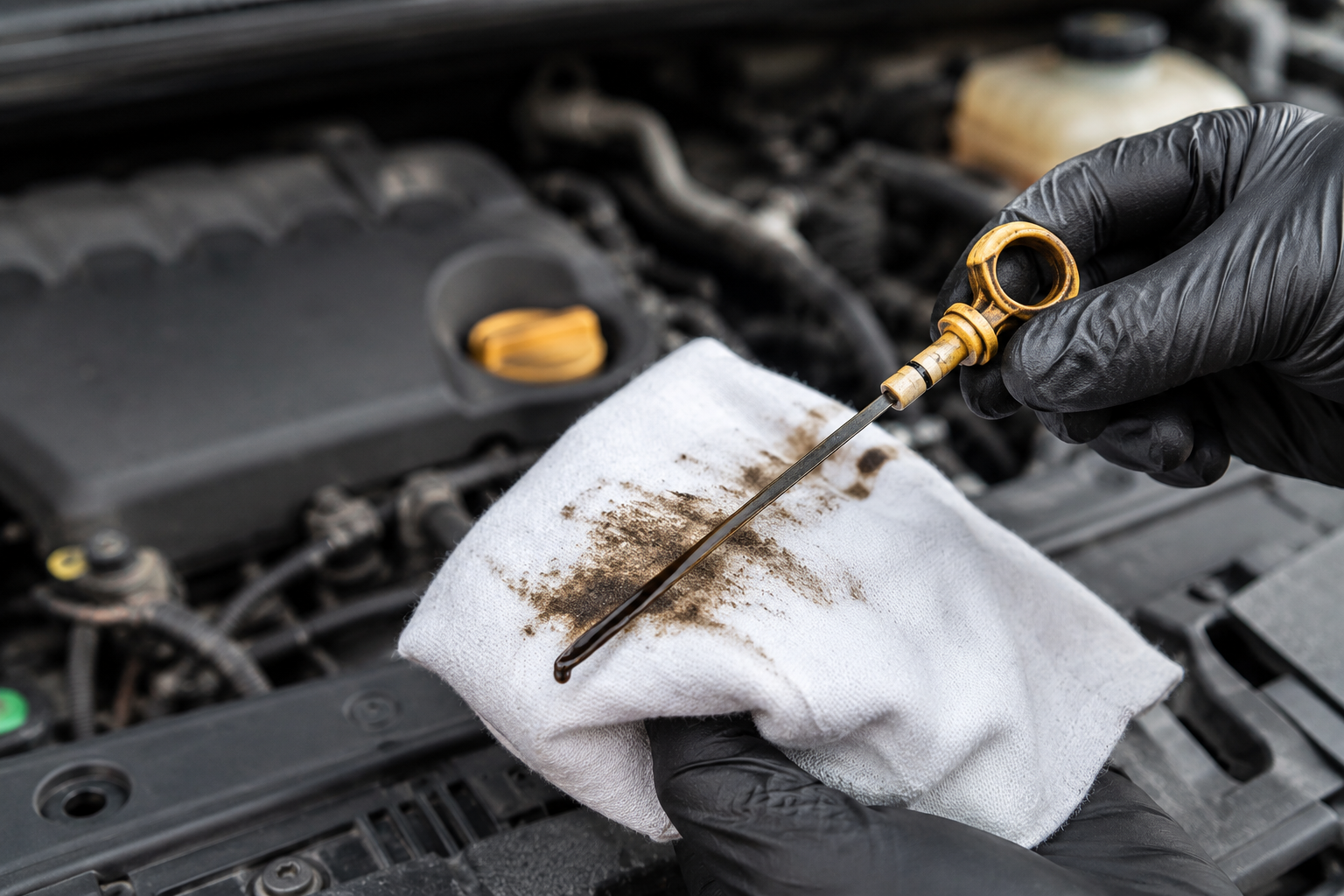
- Low or contaminated oil. Insufficient lubrication increases friction, causing humming and accelerating wear.
- Mechanical damage to the housing. Cracks or loose fasteners increase vibrations and noise.
- Gearbox overheating. High rpm without oil cooling changes the characteristics of the gears and bearings, which is accompanied by extraneous noise.
The nature of the noise helps to preliminarily determine the source of the problem. A steady low-frequency hum indicates worn bearings, while grinding and sharp noises indicate damage to gear teeth or clutch problems.
How to distinguish between manual and automatic transmission problems
Manual transmission (MTB). Extraneous noise appears when shifting gears or pressing the clutch pedal. The hum indicates wear of the secondary shaft, synchronizer bearings or insufficient lubrication.
Automatic transmission (ATC). The hum occurs while driving in any gear and changes intensity with increasing speed. The reasons are contaminated oil, problems with the torque converter, oil pump or friction discs.
When to seek diagnosis
Diagnostics becomes necessary with any constant hum or change in the nature of the sound. Signs that need to be checked:
- Constant hum while driving that does not go away after the transmission warms up.
- A grinding or sharp noise when shifting gears.
- Delayed gear engagement or increased friction when the transmission is operating.
- Vibrations or jerks in the wheel drive, accompanied by a change in hum.
Timely diagnostics allow you to determine the condition of bearings, gears and oil level, assess the wear of parts and prevent serious damage to the gearbox.
What do the warning signals on the panel mean?
Warning indicators are divided into critical, serious and informational. Critical signals indicate an immediate stop of the car, serious signals indicate the need for diagnostics in the near future, informational signals indicate scheduled maintenance.
Errors in car electronics can occur due to sensor failures or incorrect operation of the on-board computer. Timely OBD diagnostics helps to determine the exact error code and the state of the systems. This allows you to prevent serious breakdowns and minimize repair costs.
Top popular news
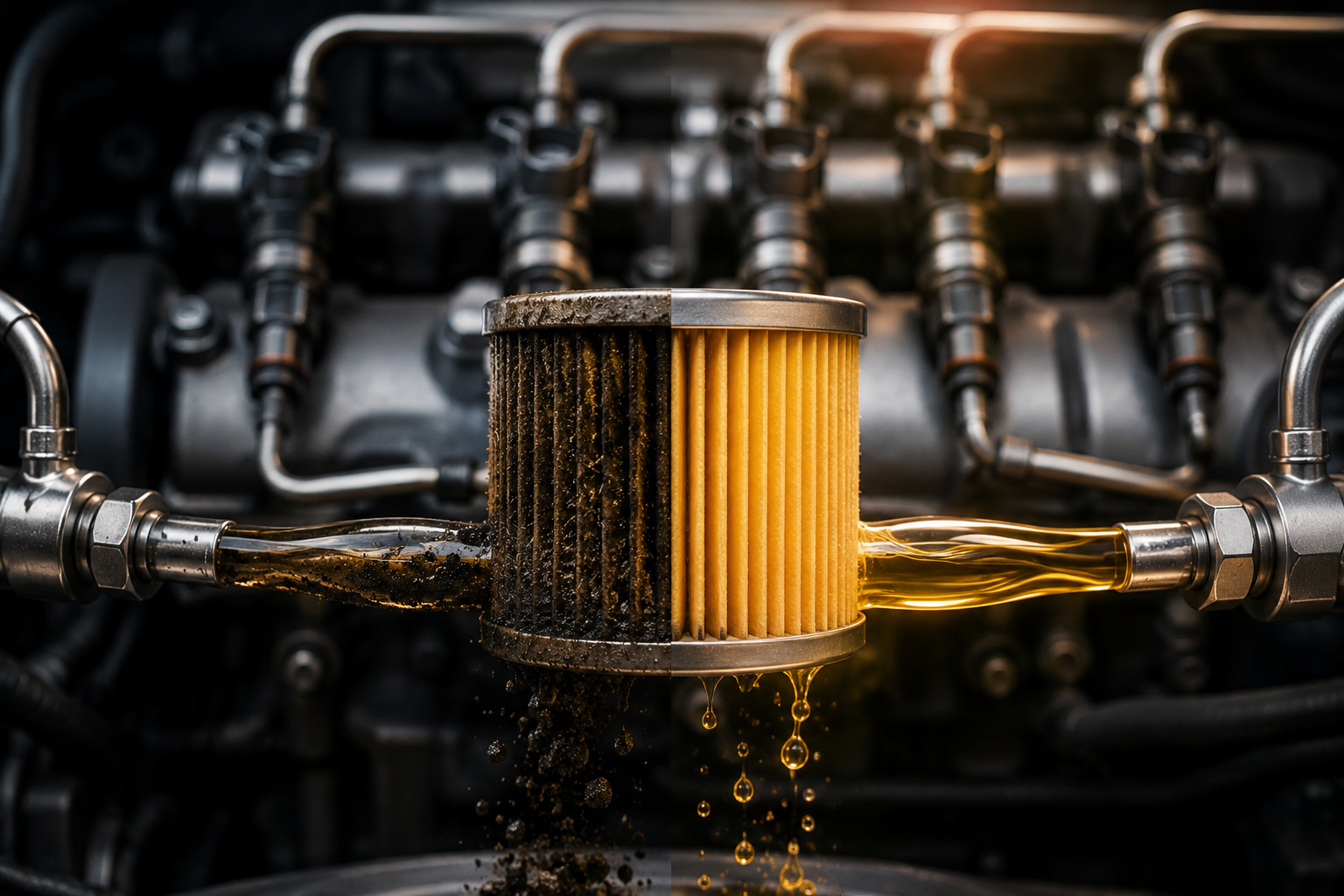
- Symptoms of a Clogged Fuel Filter: How to Protect Fuel Injectors from Dirt, Water, and Poor-Quality Fuel
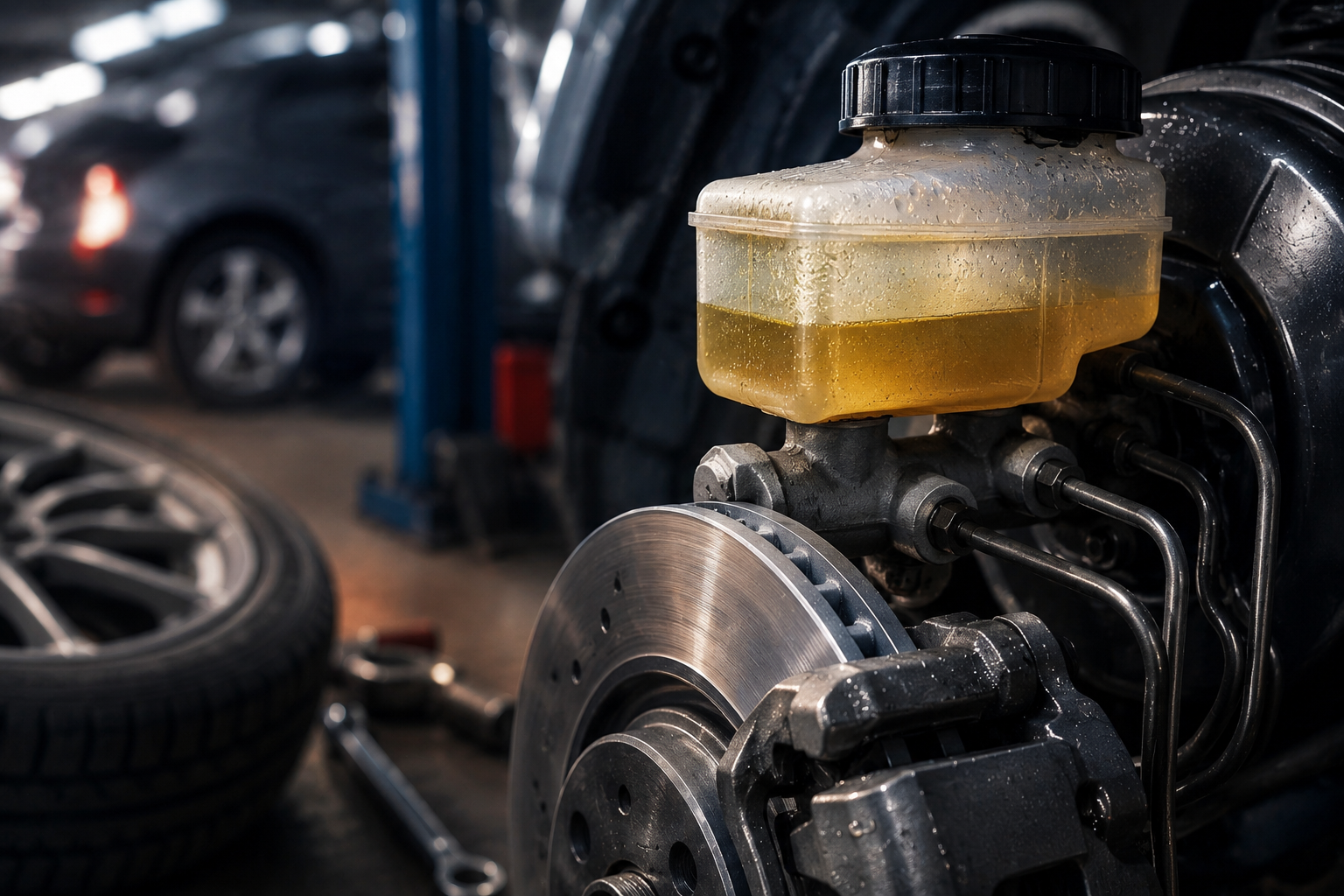
- When Brake Fluid Needs to Be Replaced and Why You Should Never Ignore the Service Interval
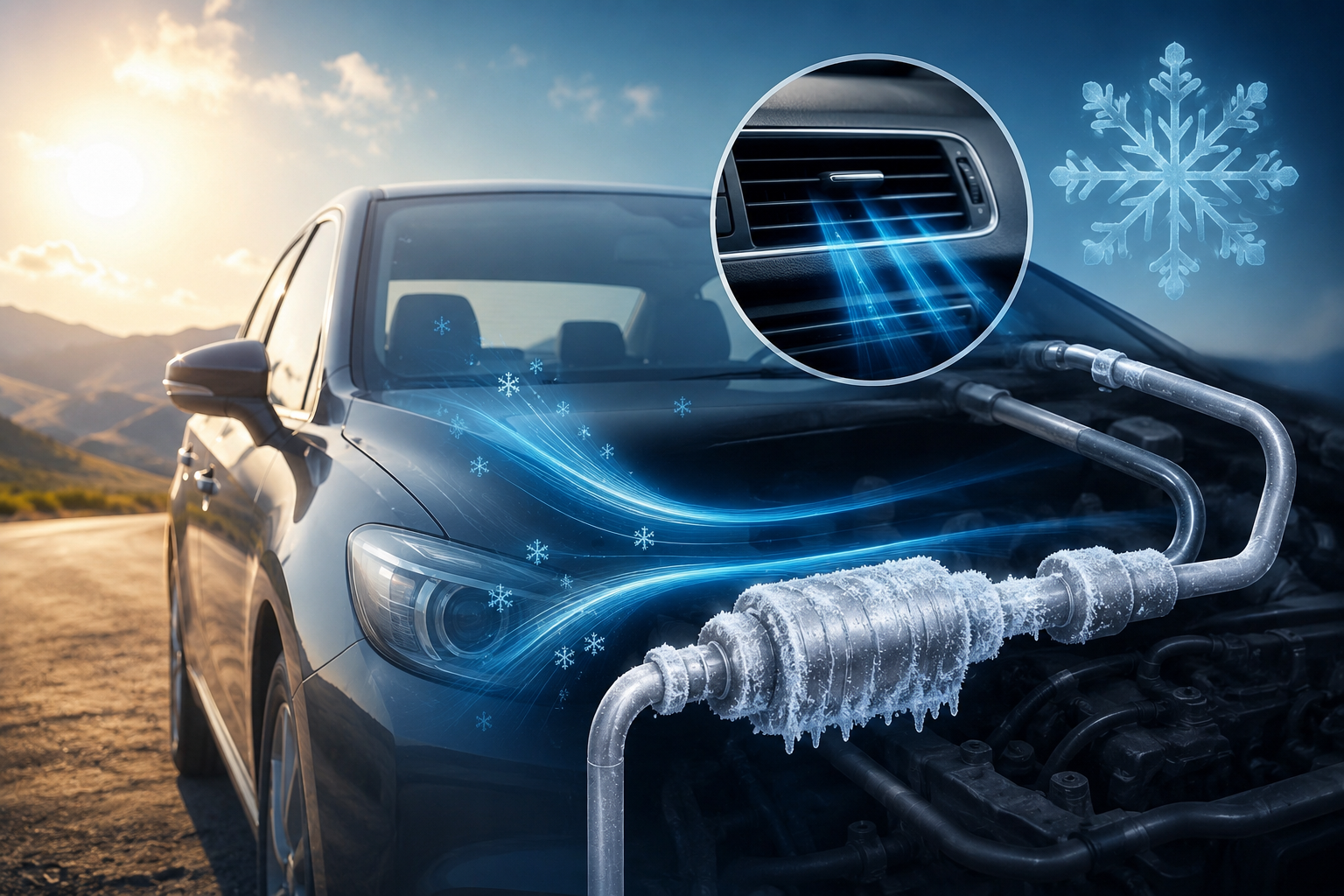
- Air Conditioner Pipe Freezing in a Car: Finding the Causes of Thermal Regulation Failure
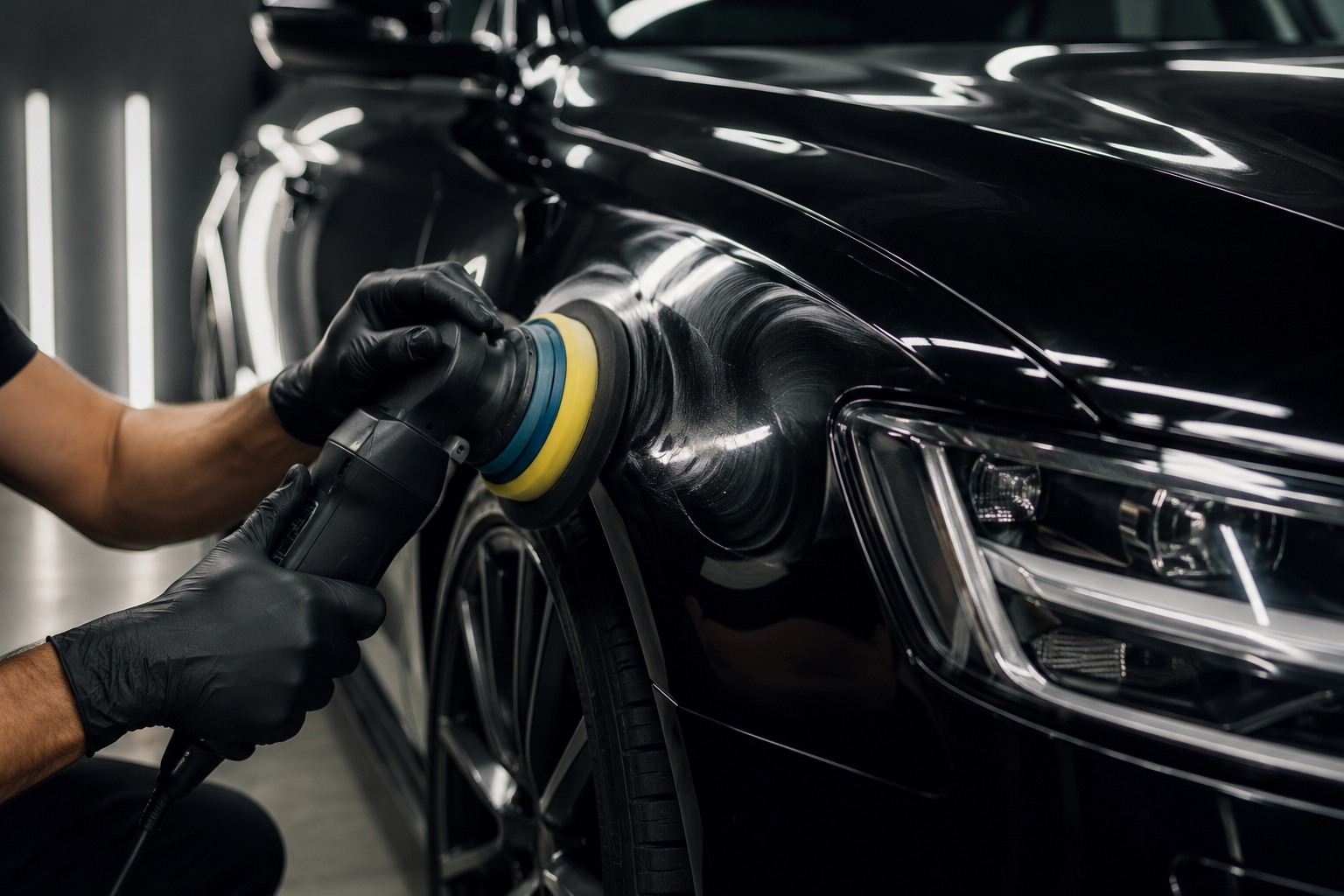
- Abrasive Car Body Polishing: How to Remove Scratches Without Wearing Through the Clear Coat
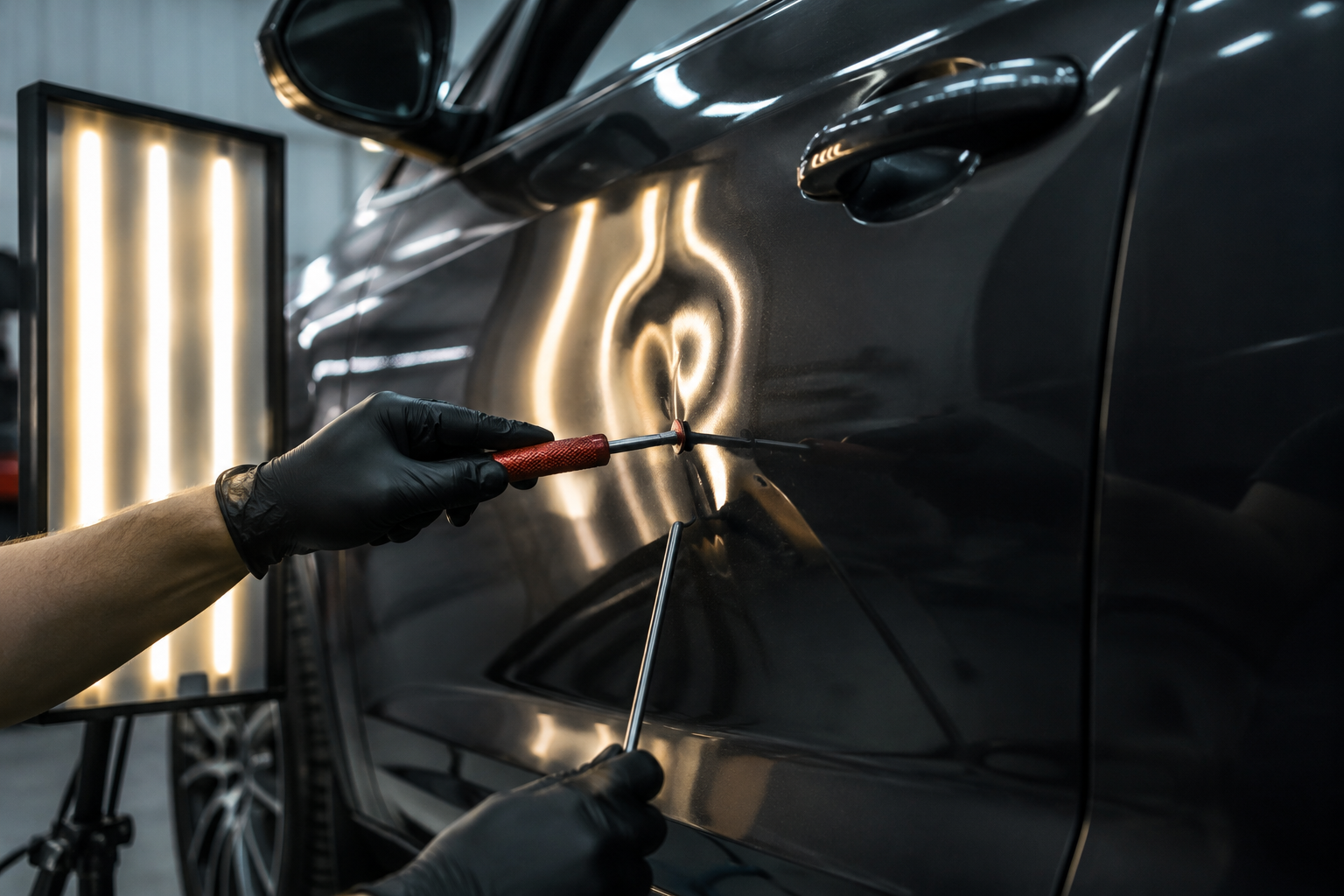
- Paintless Dent Repair in Kyiv: When You Can Avoid Repainting Your Vehicle
- Vehicle stability control: how electronics help you stay in control
- Why the ABS warning light comes on and how dangerous it is
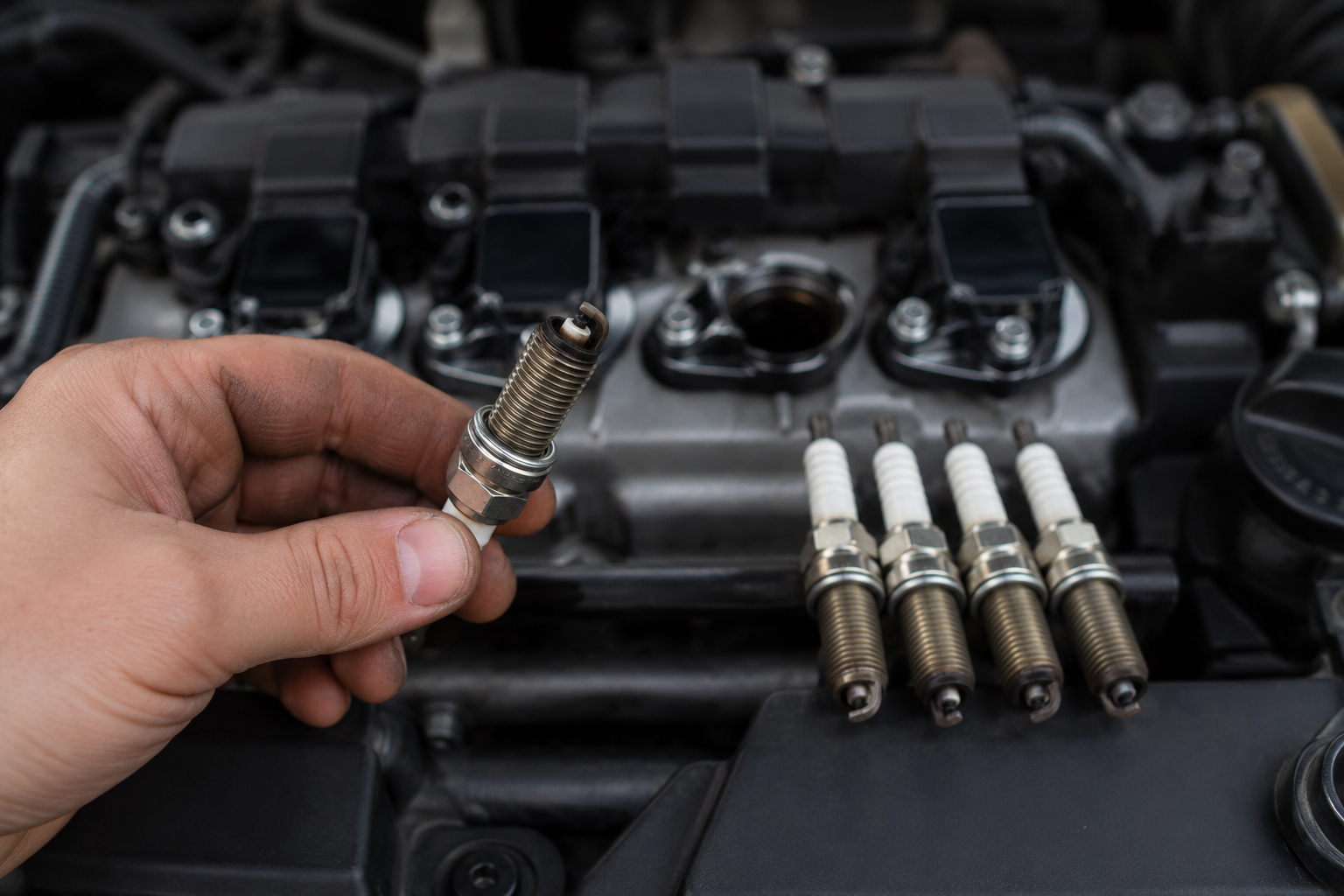
- When replacing spark plugs becomes a necessity, not prevention

Subscribe to our newsletter!
To stay updated with the latest news
Related services


Book a service