Daily with | 08:00 - 20:00


Find

Contact us

Kyiv
st. Garmatnaya, 3
 Мережа СТО в місті

Kyiv
st. Garmatnaya, 3
 Мережа СТО в місті

 Години роботи
 Daily with
08:00 - 20:00
When Should You Change Transmission Fluid?
Why Transmission Fluid Has a Limited Service Life
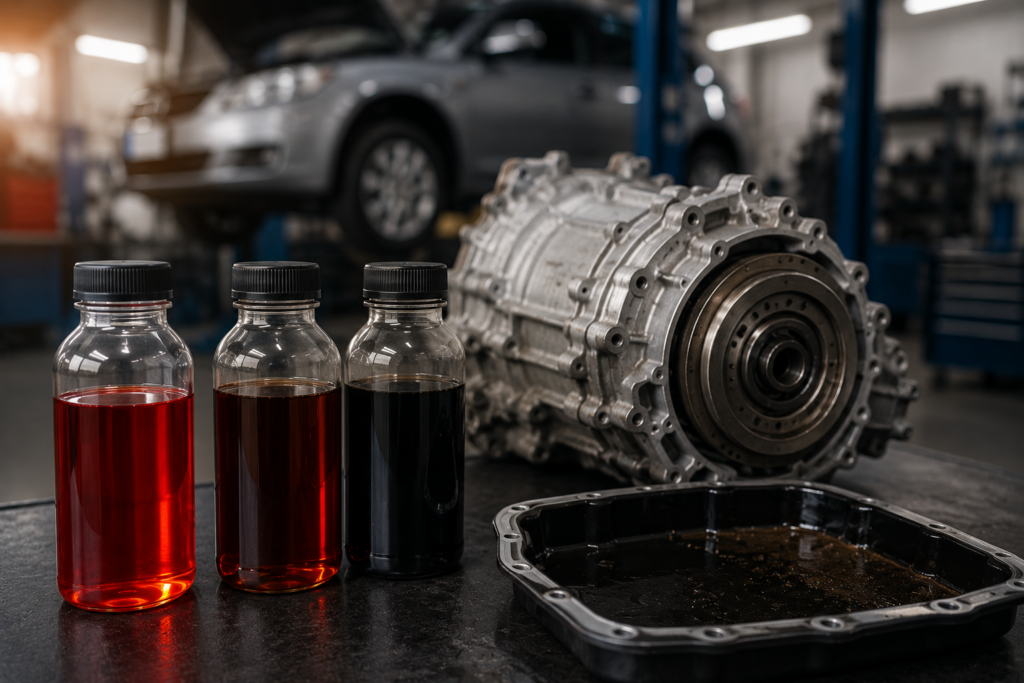
Changing transmission fluid is an important part of vehicle maintenance. During operation, transmission fluid is constantly exposed to heat, pressure, and mechanical loads, gradually losing its protective and lubricating properties.
Transmission fluid performs several important functions:
- lubricates transmission components;
- cools the transmission;
- protects parts from friction and wear;
- ensures smooth gear changes;
- reduces stress on transmission mechanisms.
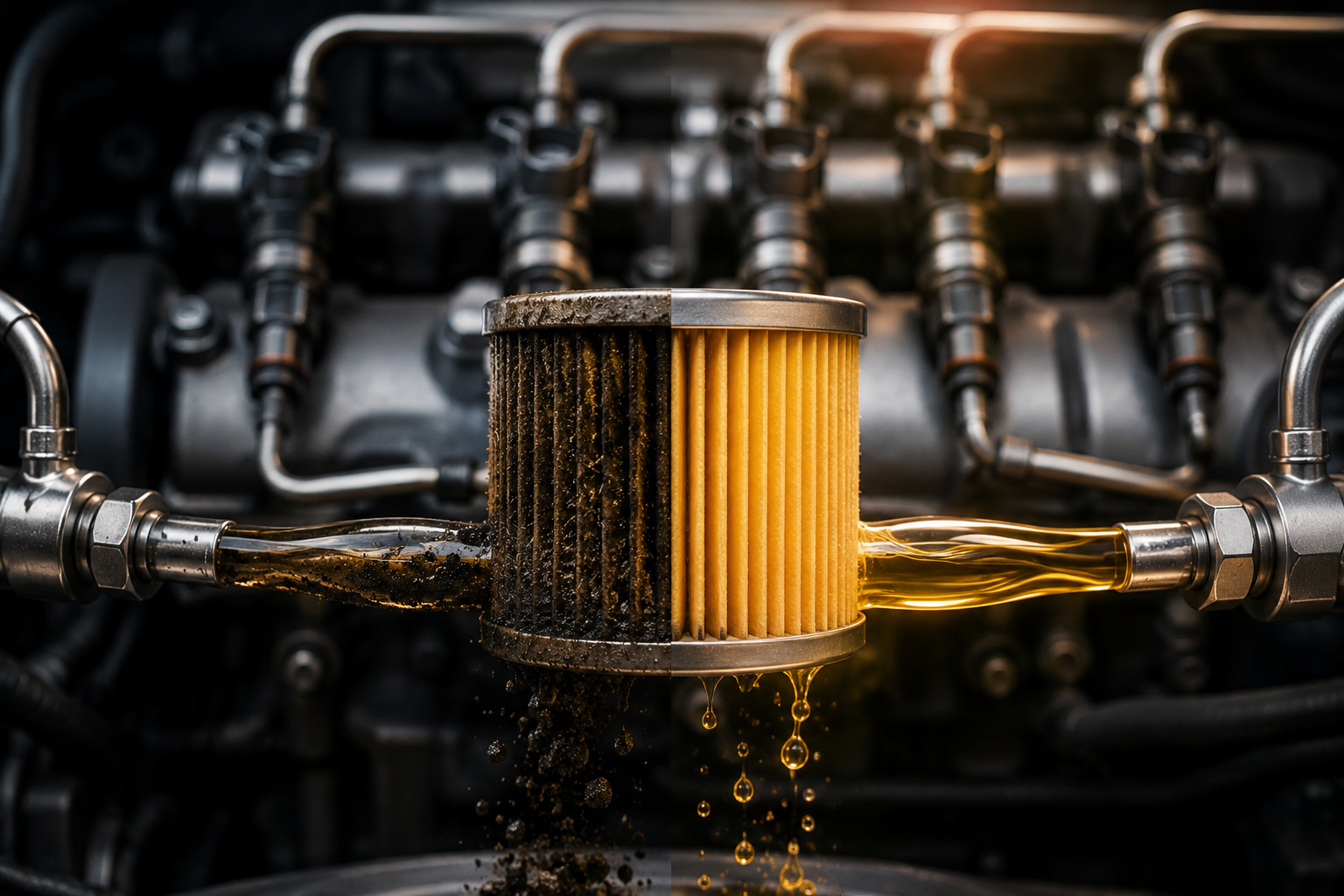
Over time, metal particles and wear debris accumulate in the fluid. As a result, the fluid becomes less effective, and the load on the transmission increases.
This is especially important in automatic transmissions, where the fluid serves not only as a lubricant but also as a hydraulic working fluid for the entire control system.
Many drivers mistakenly believe that transmission fluid is designed to last for the lifetime of the vehicle. In reality, even under normal driving conditions, the fluid gradually ages and its properties deteriorate.
The rate of fluid degradation depends on several factors:
- driving style;
- frequent stop-and-go traffic;
- vehicle overloading;
- trailer towing;
- transmission overheating;
- fluid quality.
That is why transmission fluid should be replaced regularly, even if the transmission appears to be operating normally.
How Maintenance Differs Between Automatic Transmissions, DSG, and Manual Gearboxes
Different types of transmissions require different maintenance approaches.
Automatic Transmission (AT)
In automatic transmissions, transmission fluid operates under high temperatures and heavy loads. It affects the operation of the valve body, cooling system, and gear-shifting performance.
As the fluid loses its properties, heat dissipation becomes less effective, and the transmission may begin shifting with delays or jerks.
DSG Transmission
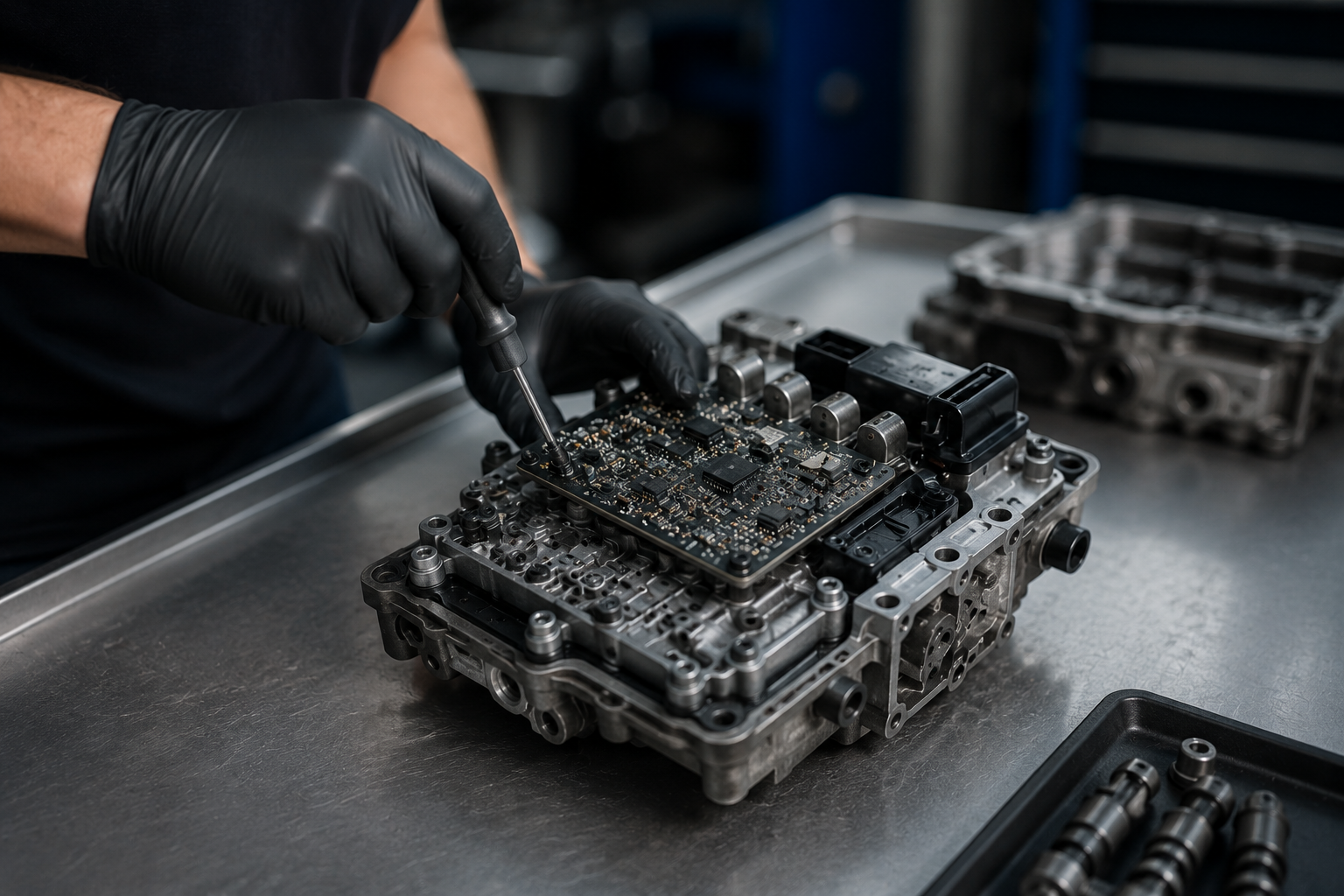
DSG fluid replacement has its own specific requirements. In these transmissions, the fluid directly affects the operation of the mechatronic unit and clutch system.
After a fluid change, some vehicles require transmission adaptation procedures so that the electronic control system can properly adjust transmission operation.
DSG transmissions are particularly sensitive to fluid quality and overheating. If the fluid is not replaced regularly, it can negatively affect shifting performance and overall transmission lifespan.
CVT (Continuously Variable Transmission)
A CVT also requires regular maintenance. These transmissions are especially sensitive to overheating and fluid condition.
Even minor contamination of the fluid can accelerate component wear and reduce transmission performance.
Manual Transmission
Manual transmission fluid also has a limited service life. Although operating loads are generally lower, the fluid still ages over time, and gear shifting may become harsher or less smooth.
That is why the answer to how often transmission fluid should be changed depends not only on mileage but also on the transmission type and driving conditions.
Main Signs of Old or Contaminated Transmission Fluid
Old transmission fluid does not always cause immediate serious problems, but certain symptoms gradually begin to appear.
Common signs include:
- jerking or delayed gear shifts;
- unusual noises;
- vibrations;
- transmission overheating;
- unstable operation after warming up;
- harsh gear engagement;
- reduced shifting smoothness.
If the fluid is heavily contaminated, metal particles may be found in it. This often indicates excessive wear of transmission components.
In DSG and automatic transmissions, old fluid can also affect electronic systems. The transmission may take longer to shift gears or enter limp mode.
Some drivers notice the smell of overheated fluid after aggressive driving or prolonged traffic congestion. This can also indicate that the fluid has lost its protective properties.
What Problems Can Result from Delayed Fluid Replacement?
Failing to replace transmission fluid on time gradually accelerates wear throughout the transmission system.
Old fluid becomes less effective at dissipating heat, increasing the risk of transmission overheating.
Insufficient lubrication and protection can accelerate wear of:
- clutch packs;
- bearings;
- valve body components;
- DSG transmission elements;
- CVT components;
- gear-shifting mechanisms.
In some cases, the transmission may enter limp mode or begin operating with severe shifting problems.
Transmission overheating is particularly dangerous. At elevated temperatures, fluid degrades even faster, causing internal components to wear much more rapidly.
For this reason, transmission maintenance should not be postponed until major problems or costly repairs become necessary.
When Transmission Diagnostics Are Necessary
Many drivers only start thinking about changing transmission fluid after experiencing shifting issues or unusual noises.
A transmission inspection is recommended if you notice:
- jerking during gear changes;
- vibrations;
- transmission overheating;
- unusual noises;
- unstable transmission operation;
- harsh shifting impacts.
It is also advisable to inspect the transmission:
- after heavy-duty use;
- after extended driving in traffic jams;
- when purchasing a used vehicle;
- after transmission repairs;
- when the service history is unknown.
Timely diagnostics help evaluate fluid condition, identify issues with DSG transmissions, CVTs, or valve bodies, and prevent costly transmission repairs.
Top popular news
- Car Interior Detailing: When a Vacuum Cleaner Is No Longer Enough
- Electric Vehicle Brake Pads: Longer Service Life with a Hidden Risk
- LED Instead of Halogen in a Factory Headlight: Why a Simple Replacement Does Not Work
- LPG Tank Inspection: Service Life and Safe Operation
- How Many Times Can You Polish a Car Body: What Determines the Service Life of the Clear Coat
- Paintless Dent Repair: Which Defects Are Suitable for PDR
- Installing LPG on a new car: not every engine works equally well on gas
- Seasonal tyre changes: more than simply swapping wheels

Subscribe to our newsletter!
To stay updated with the latest news
Related services


Book a service