Daily with | 08:00 - 20:00


Find

Contact us

Kyiv
st. Garmatnaya, 3
 Мережа СТО в місті

Kyiv
st. Garmatnaya, 3
 Мережа СТО в місті

 Години роботи
 Daily with
08:00 - 20:00
Why a car can lose traction without any malfunction signals
Why does the car drive worse, but without error signals
The engine loses power without errors in situations where the real efficiency of operation has already decreased, but the parameters have not yet gone beyond the limits set by the manufacturer. The driver feels that the car reacts more slowly to the gas pedal, accelerates worse or moves more difficultly under load. At the same time, the electronic control system does not see the reason for the signal, since all values \u200b\u200bremain within the permissible range.
The control unit is guided not by subjective sensations of dynamics, but by digital sensor readings. If the traction has decreased due to a set of minor deviations, each of which individually does not exceed the norm, the system perceives the situation as normal. That is why a drop in engine power often manifests itself without malfunction indicators.
How the control unit limits power
The electronics of a modern car have algorithms for protecting units. They can reduce engine output without fixing an error if the parameters are approaching the limits of safe operation. This is how mode limitations work, when the system intentionally reduces the load on the nodes. For example, with unstable boost or overheating of the intake air, the control unit reduces the fuel supply and changes the ignition angle.
In this mode, the engine does not pull without errors, although in fact this is a controlled software reaction. Similar logic is also used in cases of risk of detonation or excess exhaust temperature. The system does not warn the driver, because formally there is no malfunction – only a precautionary load reduction occurs.
Engine adaptation can also affect the feeling of power. If the car is operated in a quiet mode for a long time, the algorithms change the throttle and transmission response, adjusting them to an economical driving style. After this, sharp acceleration seems weaker, although the technical condition of the units remains in good condition.
The influence of fuel and air
The reasons for the loss of car power are often associated with changes in the formation of the mixture. For efficient combustion, an exact ratio of fuel and air is required, and even minor deviations can affect traction:
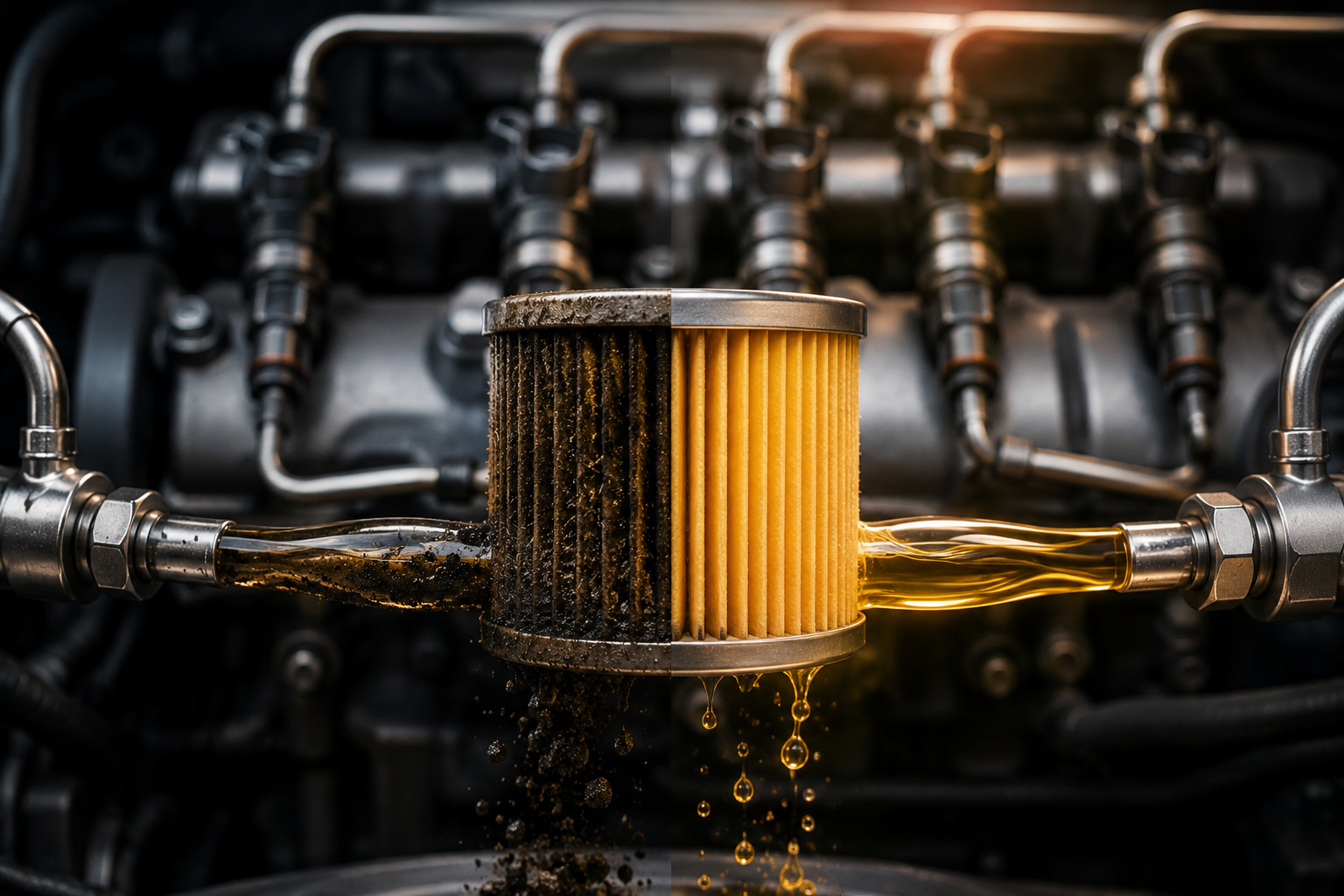
- partial clogging of fuel system elements reduces supply stability;
- restricted air flow through a dirty intake or throttle worsens the filling of the cylinders;
- air suction after the measuring sensor distorts the mixture calculation;
- incorrect signals from pressure sensors change the injection parameters.
Each of these factors individually can remain within tolerances. Electronics compensates for deviations with corrections, but the total effect manifests itself as a decrease in thrust.
Component wear without critical deviations

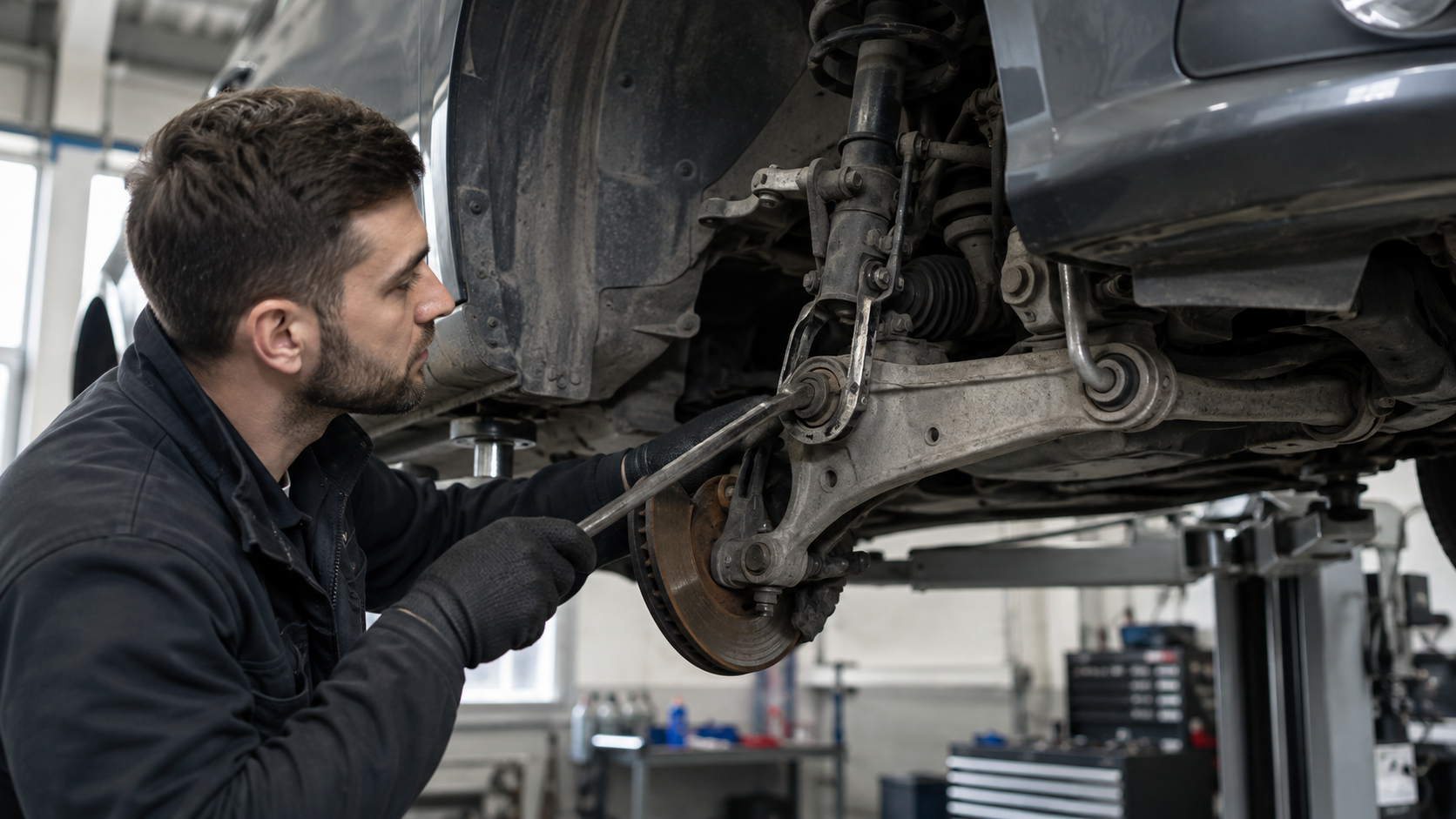
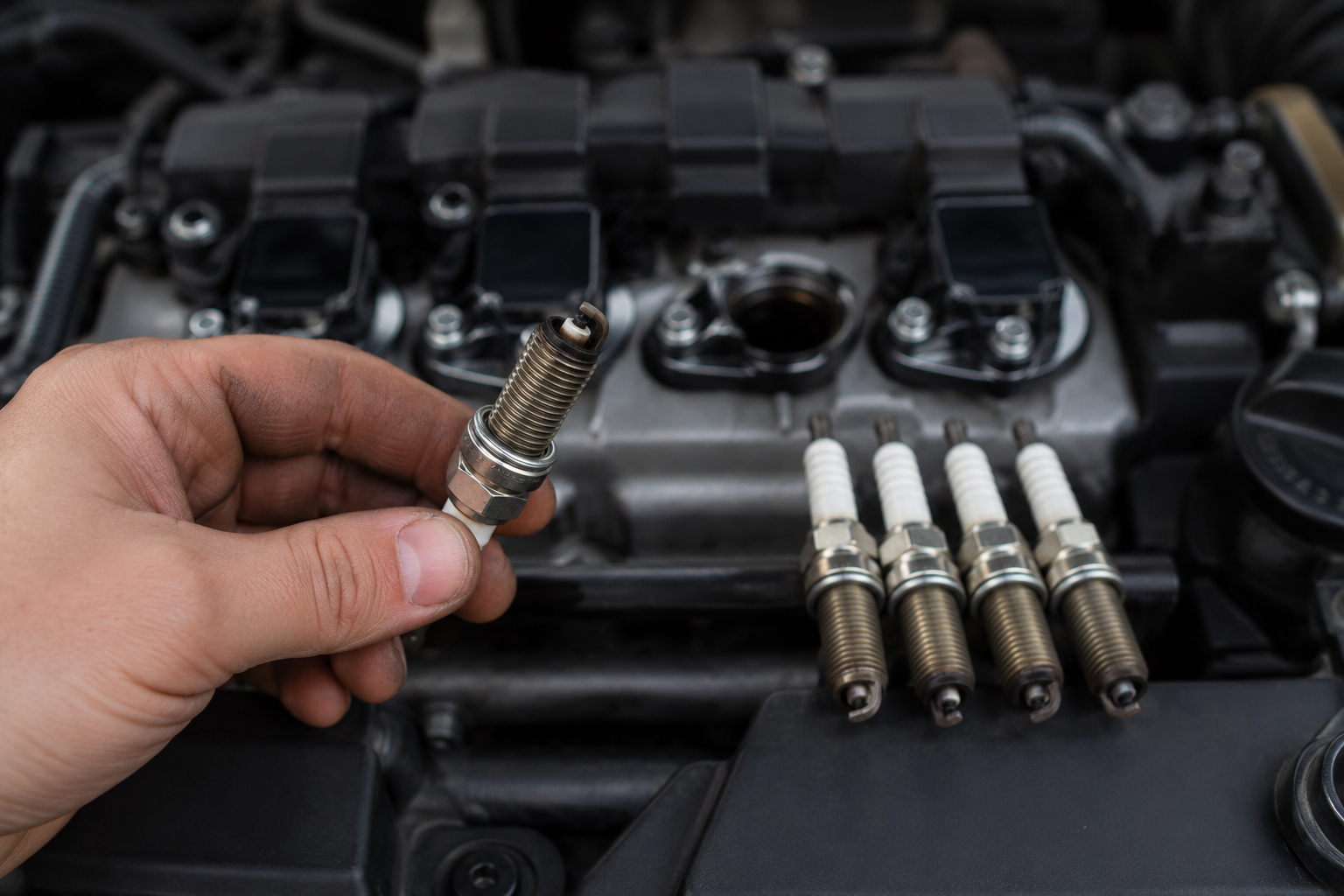
Mechanical parts gradually lose efficiency, and this process is not always accompanied by errors in the system’s memory. Spark plugs, coils, valves or a fuel pump can function properly from the point of view of sensors, but work less efficiently. As a result, power decreases without obvious malfunction signals.
A turbine is a typical example of this phenomenon. A small rotor backlash or contamination of the variable geometry mechanism does not exceed critical thresholds, but the boost pressure is already lower than the calculated one. A similar situation occurs with the catalyst: partial blockage of the channels creates exhaust resistance, which reduces engine efficiency without an error.
When there is a problem, but the system “does not see” it
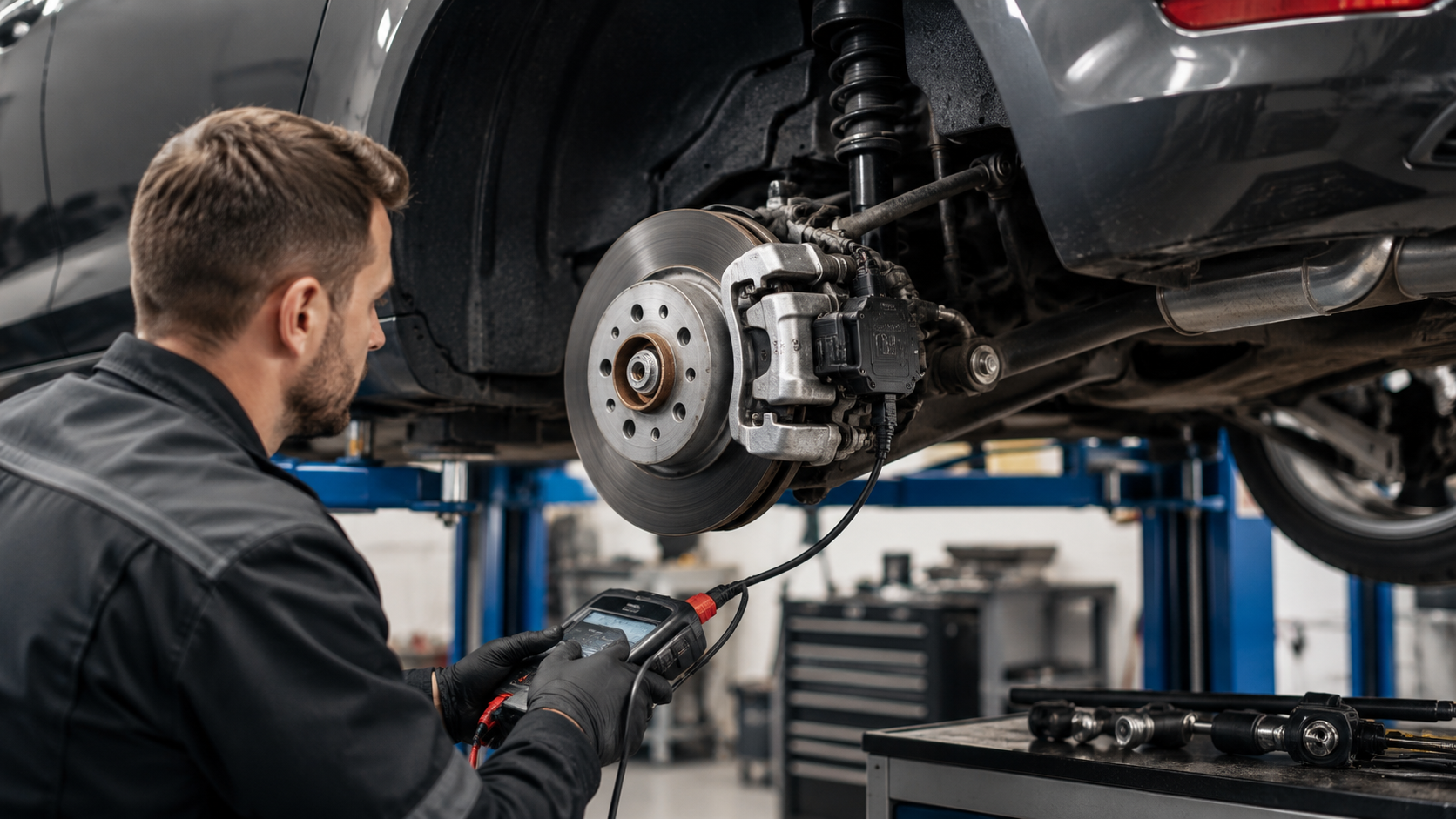
Electronic diagnostics can only monitor those parameters that are measured by sensors. If the unit does not have a direct sensor, its condition is determined by indirect indicators. For example, a small crack in the vacuum hose or partial clogging of the line are not registered directly. The control unit records only a small change in the mixture and compensates for it with software corrections.
Manufacturers set a fairly wide range of permissible values to avoid false warnings. Because of this, the engine loses power without errors long before the system recognizes the deviation as critical. The electronics continue to consider the operation normal, even if the actual efficiency has already decreased.
A decrease in thrust without indicators is the result of a combination of software algorithms, adaptive settings and gradual wear of components. The absence of signals only means that the parameters have not exceeded the control thresholds, while the real reasons for the power reduction may manifest themselves much earlier.
Top popular news
- Car Interior Detailing: When a Vacuum Cleaner Is No Longer Enough
- Electric Vehicle Brake Pads: Longer Service Life with a Hidden Risk
- LED Instead of Halogen in a Factory Headlight: Why a Simple Replacement Does Not Work
- LPG Tank Inspection: Service Life and Safe Operation
- How Many Times Can You Polish a Car Body: What Determines the Service Life of the Clear Coat
- Paintless Dent Repair: Which Defects Are Suitable for PDR
- Installing LPG on a new car: not every engine works equally well on gas
- Seasonal tyre changes: more than simply swapping wheels

Subscribe to our newsletter!
To stay updated with the latest news
Related services


Book a service