Daily with | 08:00 - 20:00


Find

Contact us

Kyiv
st. Garmatnaya, 3
 Мережа СТО в місті

Kyiv
st. Garmatnaya, 3
 Мережа СТО в місті

 Години роботи
 Daily with
08:00 - 20:00
How to check the brakes on a car

Symptoms of a malfunctioning brake system
Safety on the road depends on many factors, and one of the most important is the health of your car’s braking system. Faulty brakes can lead to dangerous situations and accidents. Therefore, it is important to know how to check the brakes on a car and recognize possible signs of their malfunction.
What should alert
If you notice one or more of the following symptoms, it may indicate a problem with your vehicle’s braking system:
- Long braking distance: If it takes you longer than usual to bring your car to a complete stop, it could be a sign of worn brake pads or brake disc problems.
- Extraneous sounds and noises: If you hear a screeching, screeching or other abnormal sound during braking, it may be caused by worn brake pads or damaged brake discs.
- Vibration of the brake pedal: If the brake pedal vibrates when pressed, this may indicate worn brake discs or problems with the brake mechanism.
- Skew to the side: If the vehicle leans or leans heavily to one side when braking, this could indicate an imbalance in the brakes or a problem with the hydraulic system.
Do-it-yourself diagnostics
Before you send the car to a service or workshop, you can perform some checks yourself. However, remember that it is important to take precautions and be careful when working on the vehicle.
Simple Brake Check
Visual Inspection: Check brake pads and discs for wear or damage. Worn pads usually have little remaining friction material, and damaged discs may be cracked or pitted.
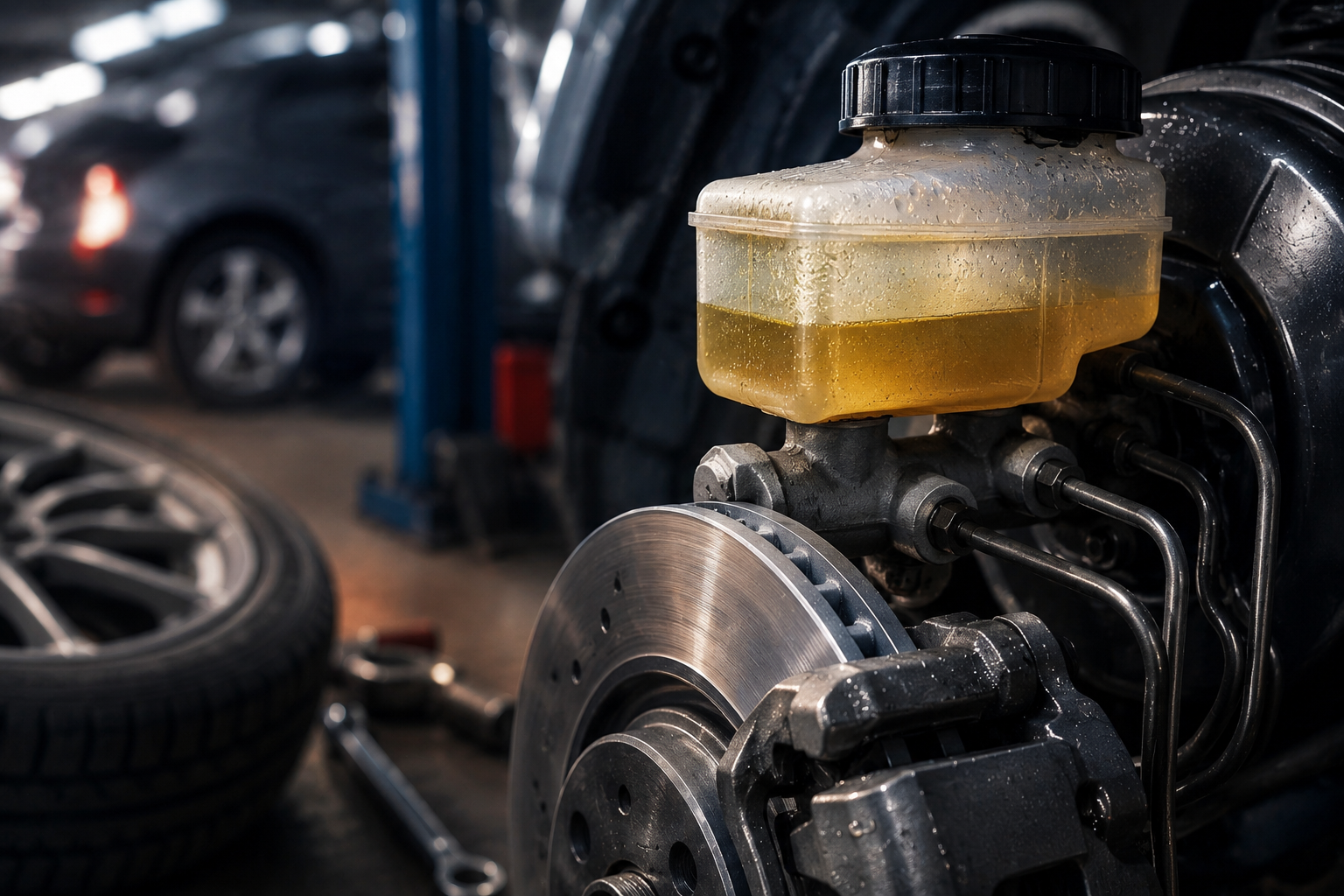
Checking the brake fluid: Check the brake fluid level in the expansion tank. If the level is below the recommended level, this may indicate a leak or malfunction in the brake system.
Checking the brake pedal: Depress the brake pedal and note its response. The pedal should be firm and should not fall to the floor. If the pedal drops or feels unusual resistance, this may indicate a problem with the hydraulic system.
Complete Brake System Check
If you find any anomalies or are not confident in your skills, it is better to contact the specialists at the service station for a complete check and diagnosis of the brake system of your car. They will have the necessary equipment and experience to carry out a more thorough inspection.
The following steps can be taken during a complete brake system test:
- Measuring brake pad wear: Technicians will check the remaining thickness of the friction material on the pads and determine if they need to be replaced.
- Checking the brake discs: Inspect the brake discs for cracks, pitting, wear or other damage. If necessary, the discs can be adjusted or replaced.
- Hydraulic System Check: The hydraulic system will be checked for leaks, damage and proper operation of brake hoses, tubes and cylinders.
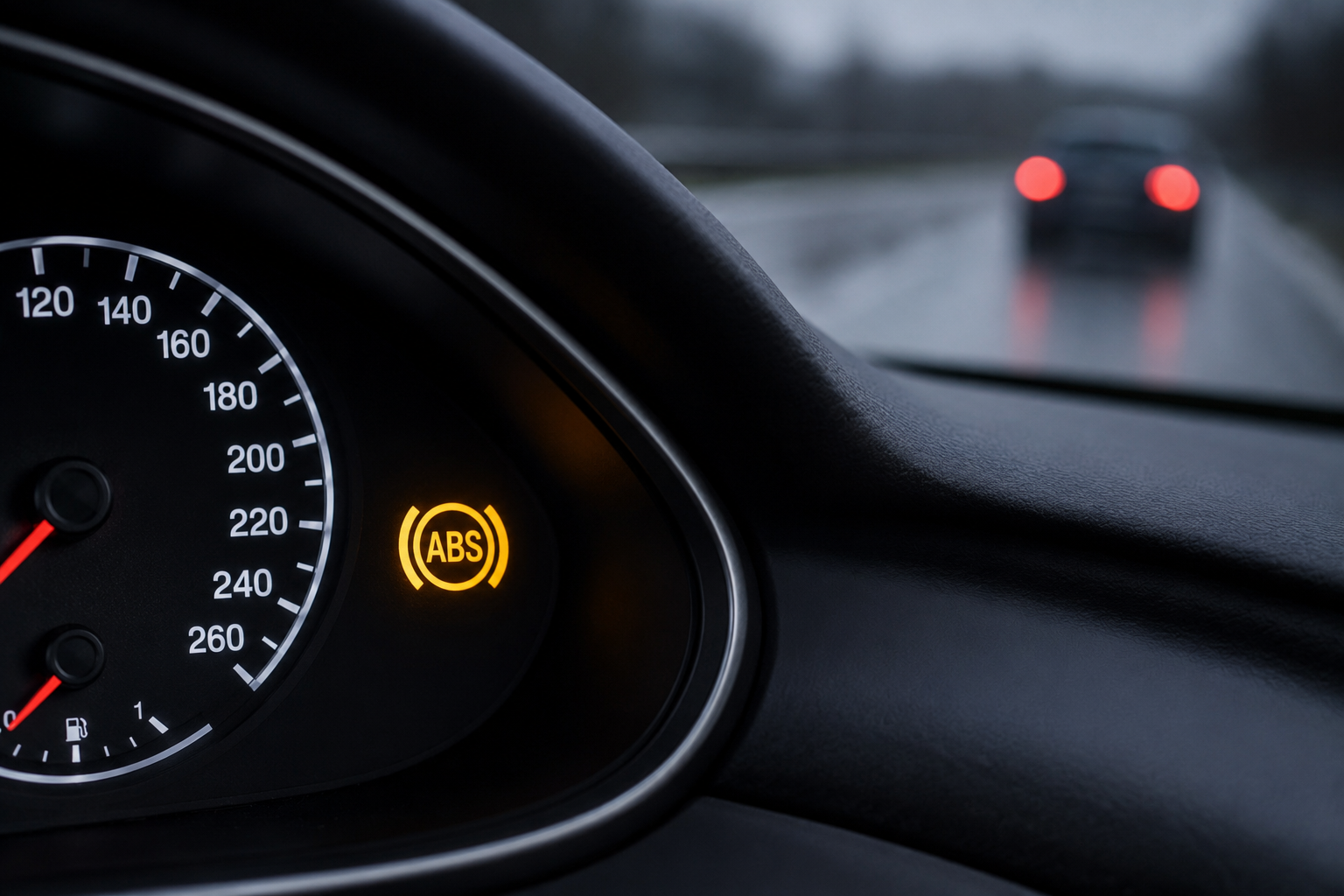
- ABS (anti-lock braking system) test: If your vehicle is equipped with an ABS system, experts will conduct a special test of its operation. They activate the ABS under controlled conditions to make sure the system functions correctly and no errors occur.
How to Check Brakes With ABS
If you have an anti-lock brake system (ABS) in your vehicle, you can follow these steps to check if it works:
Find a safe place to test: Choose a straight and safe road with no traffic or obstacles.
Warm up the brakes: Warm up the brakes a little by doing a few controlled slow speed braking. This will help activate the ABS and prepare the system for testing.
Depress the brake pedal hard and sharply: Depress the brake pedal sharply and completely without releasing it all the way. At this point, you should feel a pulsing or vibration in the brake pedal, which is a normal ABS response.
Check the car’s handling: While pressing the brake pedal, pay attention to the car’s handling. If the vehicle is stable in the selected direction and you can control it, this indicates the correct operation of the ABS.
Wait for results: After completing the ABS test, slow down and evaluate the results. If you do not notice anomalies or malfunctions in the ABS, then the system is functioning properly.
When should I go to the service station?
Although some brake checks can be done on your own, there are situations when you need to contact a specialist at a service station:
- If you find serious problems with the brakes, such as loud noises, brake pedal dips, or the vehicle behaves abnormally when braking.
- If you are not confident in your skills and do not have the necessary equipment to carry out a complete diagnosis and repair of the brake system.
- If your brakes have not been self-tested, or if you are still experiencing braking problems even after a few simple steps.
Remember that safety on the road is a priority, so if you have any uncertainty about the operation of the braking system, it is better to turn to professionals. They will be able to make a more accurate diagnosis and perform the necessary repairs to ensure the reliability and efficiency of your vehicle’s brakes.


Conclusion
Checking the brake system on a car is an important procedure for ensuring road safety. Determining the symptoms of brake failure, such as long braking distances, extraneous sounds and vibration of the brake pedal, will help to identify problems in time and take appropriate measures.
You can perform simple checks yourself, including a visual inspection of the brake pads and discs, checking the brake fluid level, and evaluating brake pedal performance. However, for a more complete and accurate diagnosis, it is recommended to contact the specialists at the service station.
In a complete brake system inspection, technicians will measure brake pad wear, inspect brake discs for damage, inspect the hydraulic system for leaks, and check the operation of the ABS system, if installed.
If your vehicle is equipped with an ABS system, you can test its operation yourself, apply a hard brake pedal pressure and evaluate the vehicle’s handling during braking.
However, remember that if you find serious problems with the brakes, uncertainty in your skills or unsatisfactory test results, it is better to contact the specialists at the service station. They have the necessary experience, equipment and knowledge to carry out a more thorough diagnosis and repair of your vehicle’s brake system.
Maintaining your brakes is essential to your safety and the safety of other road users. Do not neglect the regular check of the brake system and contact the professionals if necessary.
Top popular news
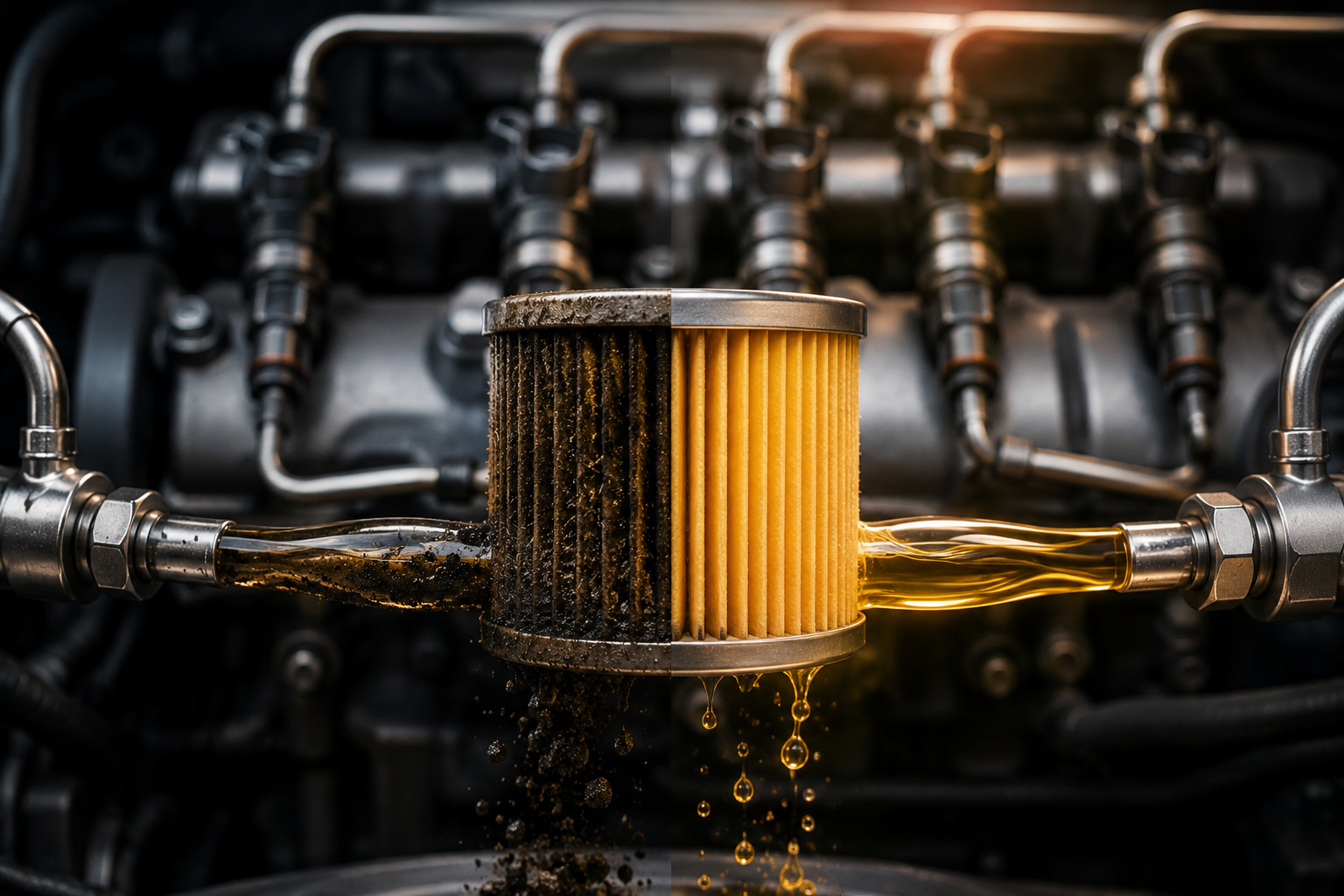
- Symptoms of a Clogged Fuel Filter: How to Protect Fuel Injectors from Dirt, Water, and Poor-Quality Fuel
- When Brake Fluid Needs to Be Replaced and Why You Should Never Ignore the Service Interval
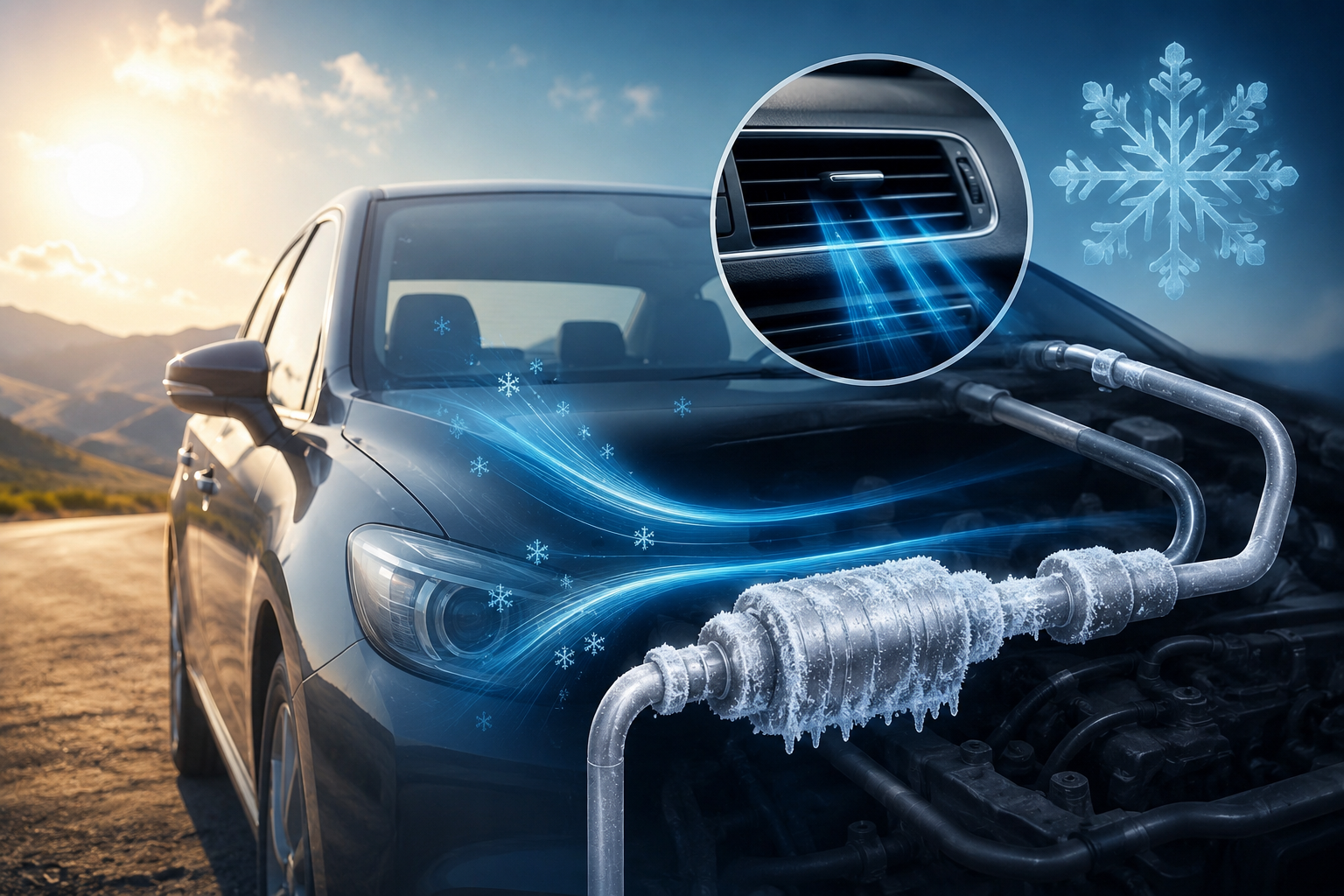
- Air Conditioner Pipe Freezing in a Car: Finding the Causes of Thermal Regulation Failure
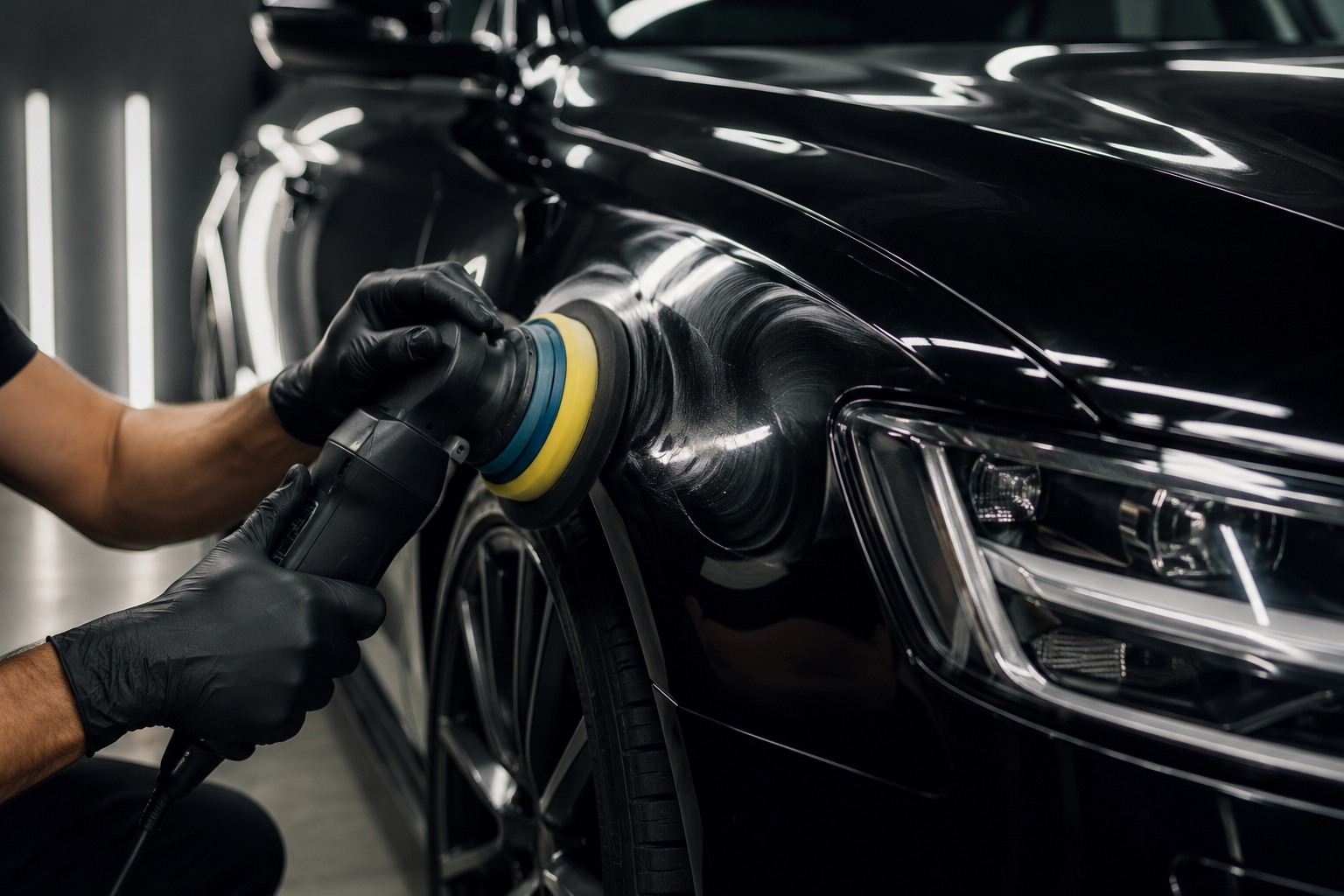
- Abrasive Car Body Polishing: How to Remove Scratches Without Wearing Through the Clear Coat
- Paintless Dent Repair in Kyiv: When You Can Avoid Repainting Your Vehicle
- Vehicle stability control: how electronics help you stay in control
- Why the ABS warning light comes on and how dangerous it is
- When replacing spark plugs becomes a necessity, not prevention

Subscribe to our newsletter!
To stay updated with the latest news
Related services


Book a service