Daily with | 08:00 - 20:00


Find

Contact us

Kyiv
st. Garmatnaya, 3
 Мережа СТО в місті

Kyiv
st. Garmatnaya, 3
 Мережа СТО в місті

 Години роботи
 Daily with
08:00 - 20:00
Why Brakes Squeak After Replacing Brake Pads
Why Noises May Appear After Replacing Brake Pads
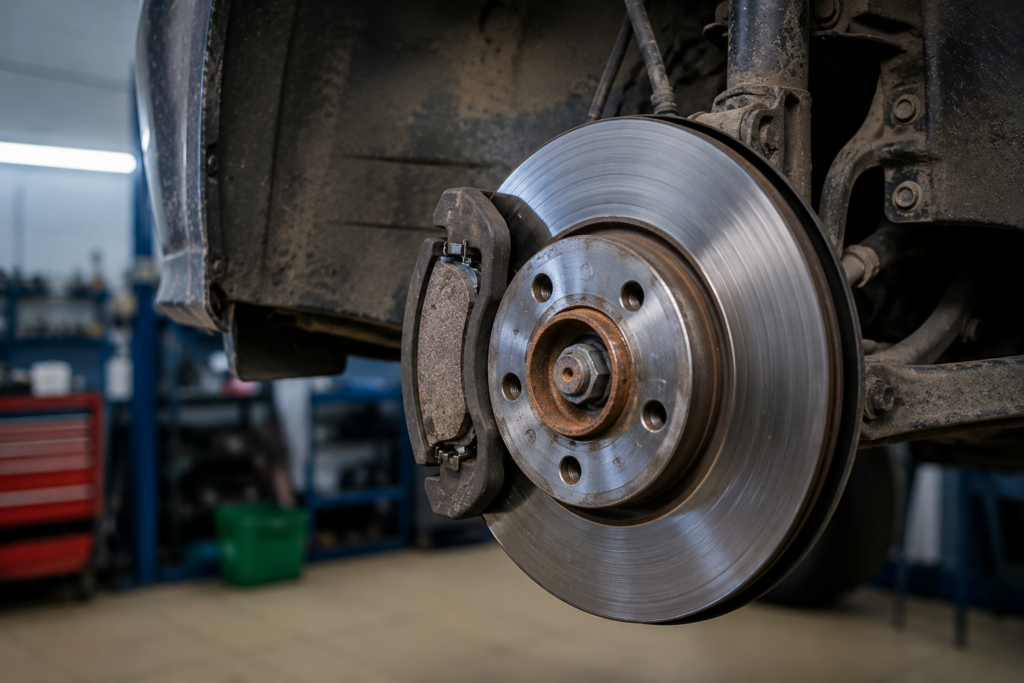
Brake squeaking after replacing brake pads is quite common and does not always indicate a serious problem. After new components are installed, the braking system needs some time for the surfaces to properly bed in and operate normally.
Many drivers become concerned as soon as unusual noises appear, especially if the pads were replaced recently. However, it is important to understand that new brake pads do not yet have perfect contact with the surface of the brake rotor.
Several factors can influence noise after replacement:
- brake pad material;
- condition of the brake rotors;
- installation quality;
- condition of the brake calipers;
- brake system temperature.
In some cases, squeaking disappears on its own after a few hundred kilometers of driving. However, unusual braking noises can sometimes indicate problems that require inspection.
The quality of the replacement parts also plays an important role. Some brake pads may be harder or naturally noisier because of the composition of their friction material.
When Brake Pad Squeaking Is Normal
New brake pads most commonly squeak during the first few days after installation. During this period, the pads are bedding into the surface of the brake rotor.
During the bedding-in process:
- the pad surface adapts to the rotor;
- an even contact pattern develops;
- surface irregularities decrease;
- brake system performance stabilizes.
Brake pad squeal is especially common:
- after overnight parking;
- in wet weather;
- during light braking;
- after washing the vehicle.
In most cases, moderate noise disappears after several days of normal driving.
Minor squeaking may also occur because of the characteristics of the brake pad material itself. For example, harder friction compounds may produce more noise even when the braking system is functioning properly.
However, it is important to pay attention to the nature of the sound. If the noise becomes louder, is accompanied by vibration, or does not disappear after the bedding-in period, it may indicate a fault.
Main Causes of Brake Noise After Replacement
Many drivers wonder why brakes squeak after installing new pads.
The most common causes include:
- incorrect pad installation;
- worn brake rotors;
- brake overheating;
- problems with caliper guide pins;
- low-quality brake pads;
- warped brake rotors.
If the rotor surface has irregularities or excessive wear, new brake pads cannot make proper contact. As a result, brake squeal or vibration during braking may occur.
The problem is also often caused by sticking brake calipers or guide pins. In such cases, the brake pad applies pressure unevenly and overheats more quickly.
Brake overheating can also cause unusual noises. High temperatures may alter the properties of the pad surface, while overheated spots can develop on the brake rotors.
In some cases, squeaking after brake pad replacement is caused by insufficient lubrication on guide pins or installation mistakes during assembly.
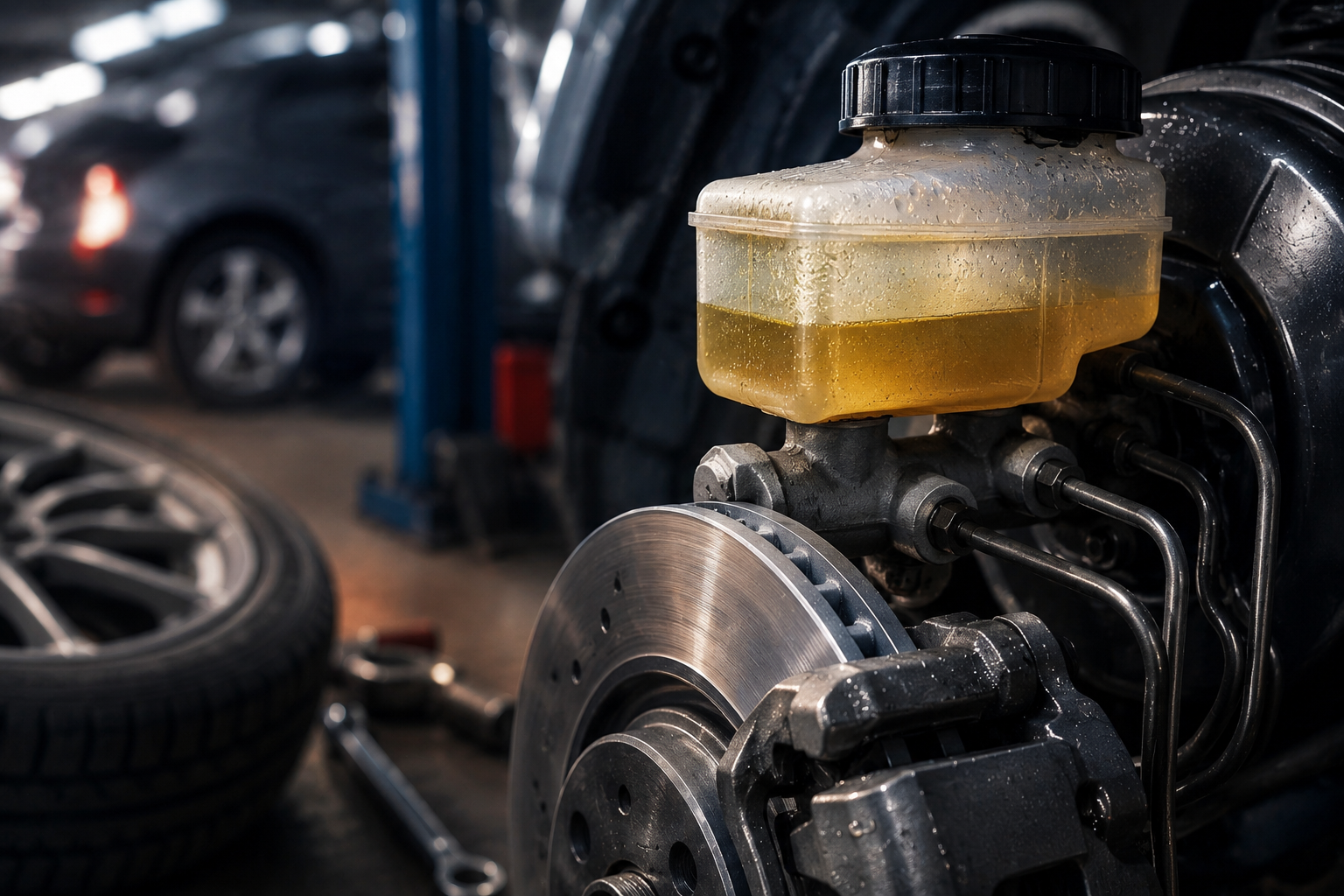
How Rotor and Caliper Condition Affects Brake Performance
Brake rotors directly affect the efficiency and stability of the entire braking system.
If the rotors have:
- uneven wear;
- overheating damage;
- cracks;
- warping;
- deep grooves,
new brake pads may not function correctly even after proper installation.
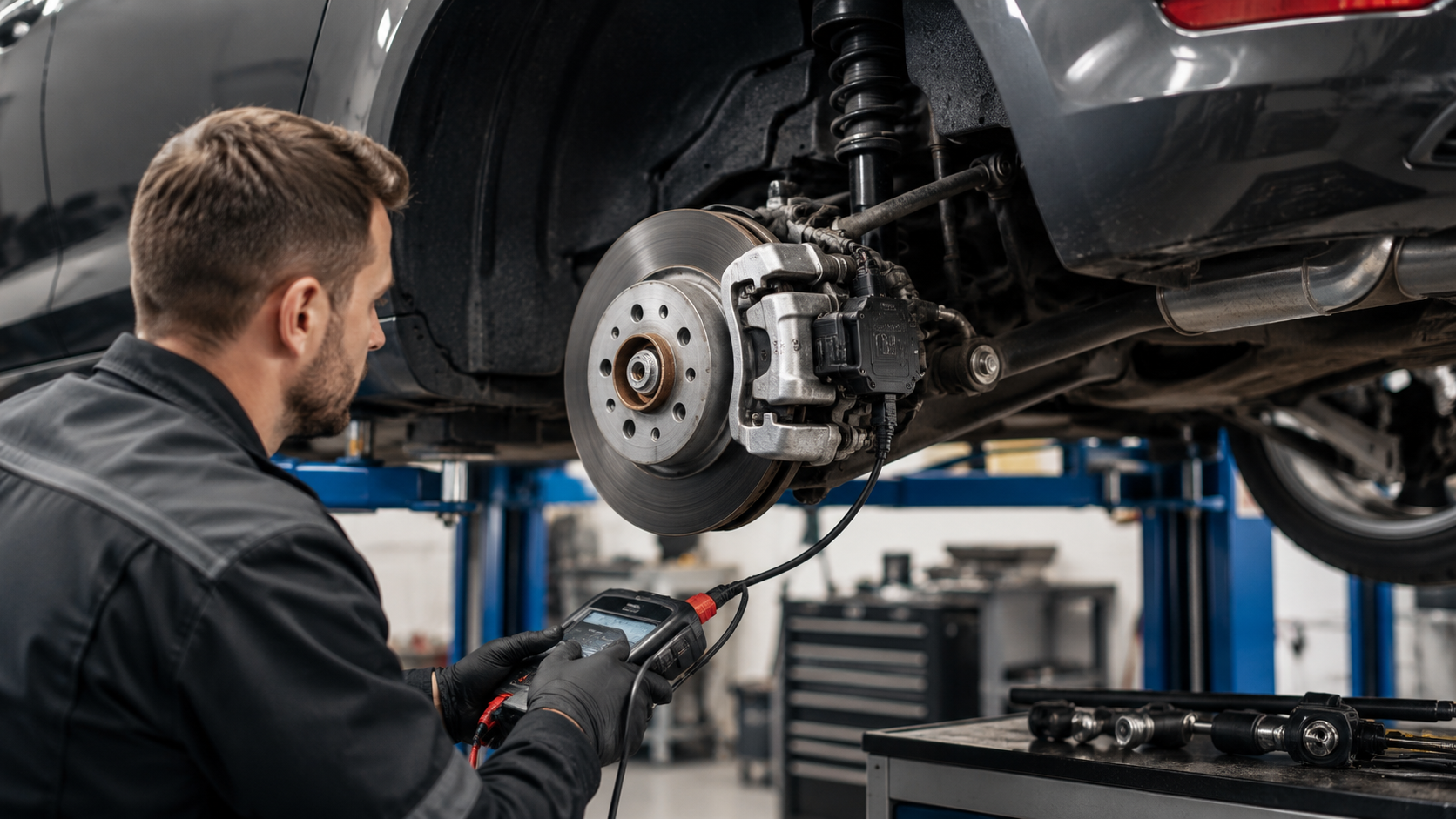
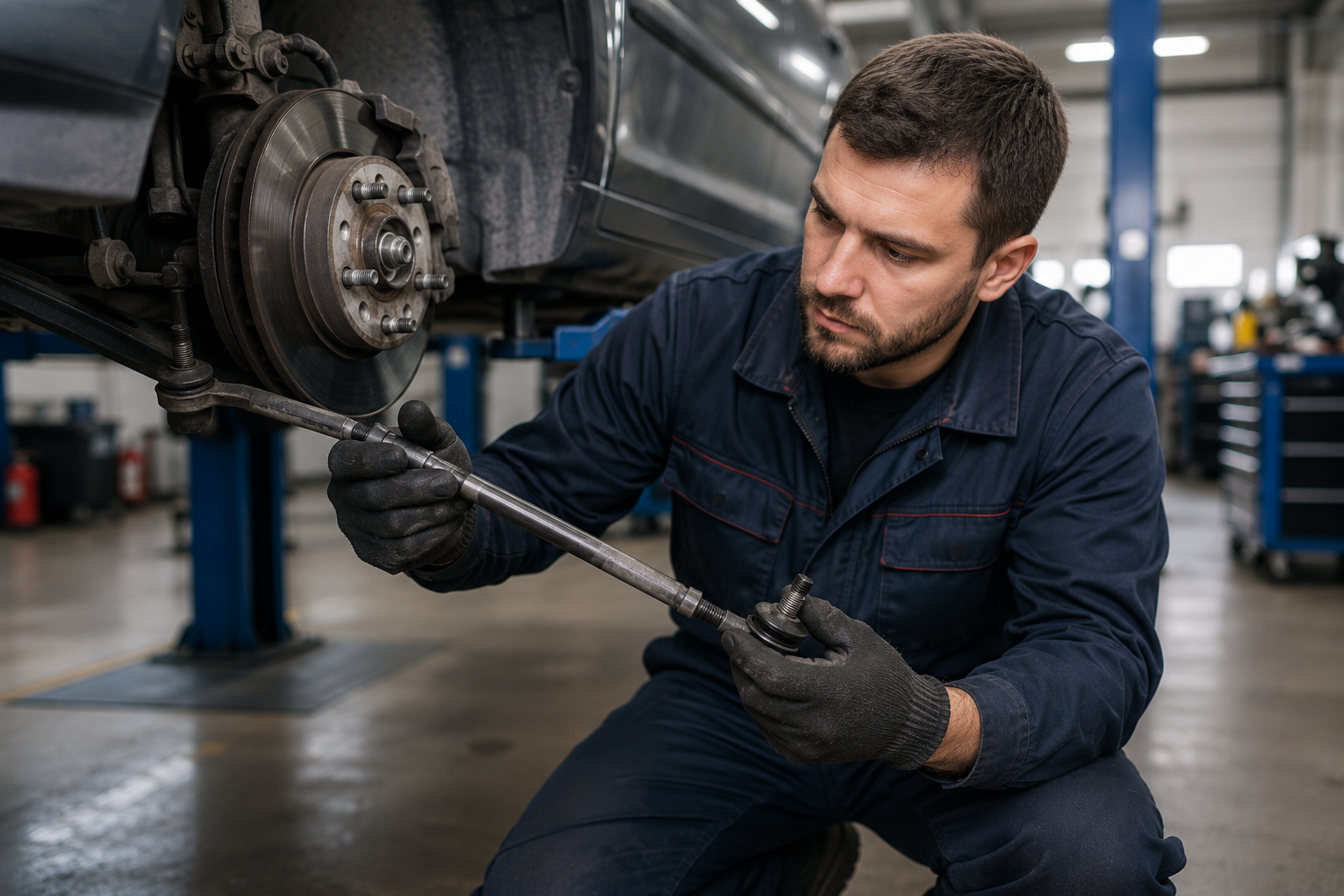
The brake caliper also plays an important role. If the caliper guide pins stick or become corroded, the brake pads may not return to their proper position after braking.
This can lead to:
- unusual noises;
- brake overheating;
- uneven wear;
- increased stress on the rotor.
Sometimes drivers notice that the brakes squeak after pad replacement on only one side of the vehicle. This often indicates a problem with the caliper or guide pins.
Caliper issues may also cause excessive wheel heating and a burning smell after driving.
For this reason, when replacing brake pads, it is important to evaluate not only the friction materials but the entire braking system.
When the Braking System Should Be Inspected
In some situations, noise after replacing brake pads is only temporary. However, there are symptoms that should not be ignored.
Brake system diagnostics are recommended if:
- the squeaking does not disappear for an extended period;
- vibrations appear;
- braking performance worsens;
- a loud metallic noise is heard;
- the brakes overheat;
- the vehicle pulls to one side while braking.
Inspection is also necessary if the brake pads or rotors are wearing unevenly.
Timely brake diagnostics help identify issues with brake rotors, calipers, guide pins, and other braking system components before more serious repairs become necessary.
The sooner the cause of unusual brake noises is identified, the lower the risk of accelerated component wear and reduced braking performance.
Top popular news
- LPG Tank Inspection: Service Life and Safe Operation
- How Many Times Can You Polish a Car Body: What Determines the Service Life of the Clear Coat
- Paintless Dent Repair: Which Defects Are Suitable for PDR
- Installing LPG on a new car: not every engine works equally well on gas
- Seasonal tyre changes: more than simply swapping wheels
- Ceramic body coating: real capabilities without marketing myths
- Charging an electric car at home: requirements to consider before buying
- Electronic parking brake will not release: what to do when the vehicle is stuck

Subscribe to our newsletter!
To stay updated with the latest news
Related services


Book a service