Daily with | 08:00 - 20:00


Find

Contact us

Kyiv
st. Garmatnaya, 3
 Мережа СТО в місті

Kyiv
st. Garmatnaya, 3
 Мережа СТО в місті

 Години роботи
 Daily with
08:00 - 20:00
Why does engine oil turn black quickly after replacement?
One of the most common situations after vehicle maintenance looks roughly the same. The car has been serviced, received fresh oil and a new filter, and just a few days later the owner pulls out the dipstick and notices that the oil has already become noticeably darker. If the vehicle has only driven 100–200 kilometers since the oil change, an unpleasant thought quickly comes to mind: was the oil actually replaced?
Such doubts are understandable, but the color of the oil by itself is almost never proof of poor-quality service. To understand the reason for the darkening, it is important to know what happens inside the engine immediately after fresh oil is poured in.
Why New Oil Changes Color

During engine operation, fuel combustion byproducts, tiny carbon deposits, and other contaminants are formed. Even if a vehicle is serviced regularly, it is impossible to eliminate them completely.
After an oil change, fresh oil begins working not only as a lubricant but also as a cleaning agent. This is where the additives in the oil come into play, keeping contaminants suspended and preventing them from settling on engine components.
That is why black oil after an oil change often indicates not a problem, but that the lubricant has started doing its job. This is especially noticeable in high-mileage vehicles, where a certain amount of deposits has already accumulated inside the engine.
Why Oil That Stays Too Clean Is Not Always a Good Sign
Many drivers believe that the longer oil remains clear, the higher its quality. In reality, things are a bit more complicated.
Motor oils have a characteristic known as the Total Base Number (TBN). It is responsible for the oil’s ability to neutralize acids and combat contaminants formed during engine operation.
This creates the cleaning effect of engine oil. The more actively the additives collect combustion byproducts, the faster the oil may change color. If the oil remains almost as light as when it was poured in, even after extended mileage, this is not always a positive sign. In such cases, some contaminants may accumulate on engine components, gradually forming carbon deposits and sludge.
Why Diesel Engines Turn Oil Black Almost Immediately
Owners of diesel vehicles notice oil darkening much faster than others, and this is completely normal.
During operation, a diesel engine produces more soot than a gasoline engine. Some of these microscopic particles enter the crankcase through blow-by gases and mix with the oil.
That is why oil in a diesel engine can become dark just a few minutes after the engine starts running following an oil change. In most cases, this is related to the characteristics of the fuel combustion process rather than the condition of the oil itself.
When Rapid Darkening May Indicate a Problem
Oil color should not be evaluated separately from other signs. Additional symptoms provide far more information about the condition of the engine.
Reasons for further diagnostics may include:
- A strong burnt smell coming from the oil;
- Rapid decrease in oil level;
- Engine overheating;
- Thick smoke from the exhaust system;
- Heavy deposits under the valve cover.
In such cases, the cause may not be the oil itself but the technical condition of the engine. For example, excessive crankcase gas blow-by or significantly overdue oil changes can lead to large amounts of contamination accumulating inside the lubrication system. After fresh oil is added, these contaminants begin to wash away actively, causing the oil to darken much faster than usual.
How to Tell Whether the Service Was Performed Properly
If you still have doubts after visiting a service center, you should not rely solely on the color of the oil.
It is much more useful to check:
- Whether a new oil filter has been installed;
- Whether the oil level is correct;
- Whether there are any signs of leaks;
- Which specific oil was used in the engine.
When choosing a service center, many drivers first compare the cost of an oil change. However, the price of the service alone does not indicate the quality of the work. Much more important factors are selecting the correct oil, replacing the filter, and following proper maintenance procedures.
When to Change Engine Oil
One of the most common mistakes is relying exclusively on oil color. In reality, the decision to change the oil is based on entirely different criteria.
The main signs that engine oil has reached the end of its service life include:
- Reaching the recommended service interval;
- Exceeding the specified mileage;
- Deterioration in engine performance;
- Formation of large amounts of deposits;
- Changes in oil properties during operation.
Therefore, the answer to the question of when to change engine oil depends primarily on the manufacturer’s recommendations and the vehicle’s operating conditions.
Dark oil appearing a few days or a few hundred kilometers after maintenance is not, by itself, a reason for concern. In most cases, it is simply the result of additives cleaning contaminants from the engine. The oil level, engine performance stability, and adherence to the maintenance schedule provide far more reliable information about the condition of the powertrain.
Top popular news
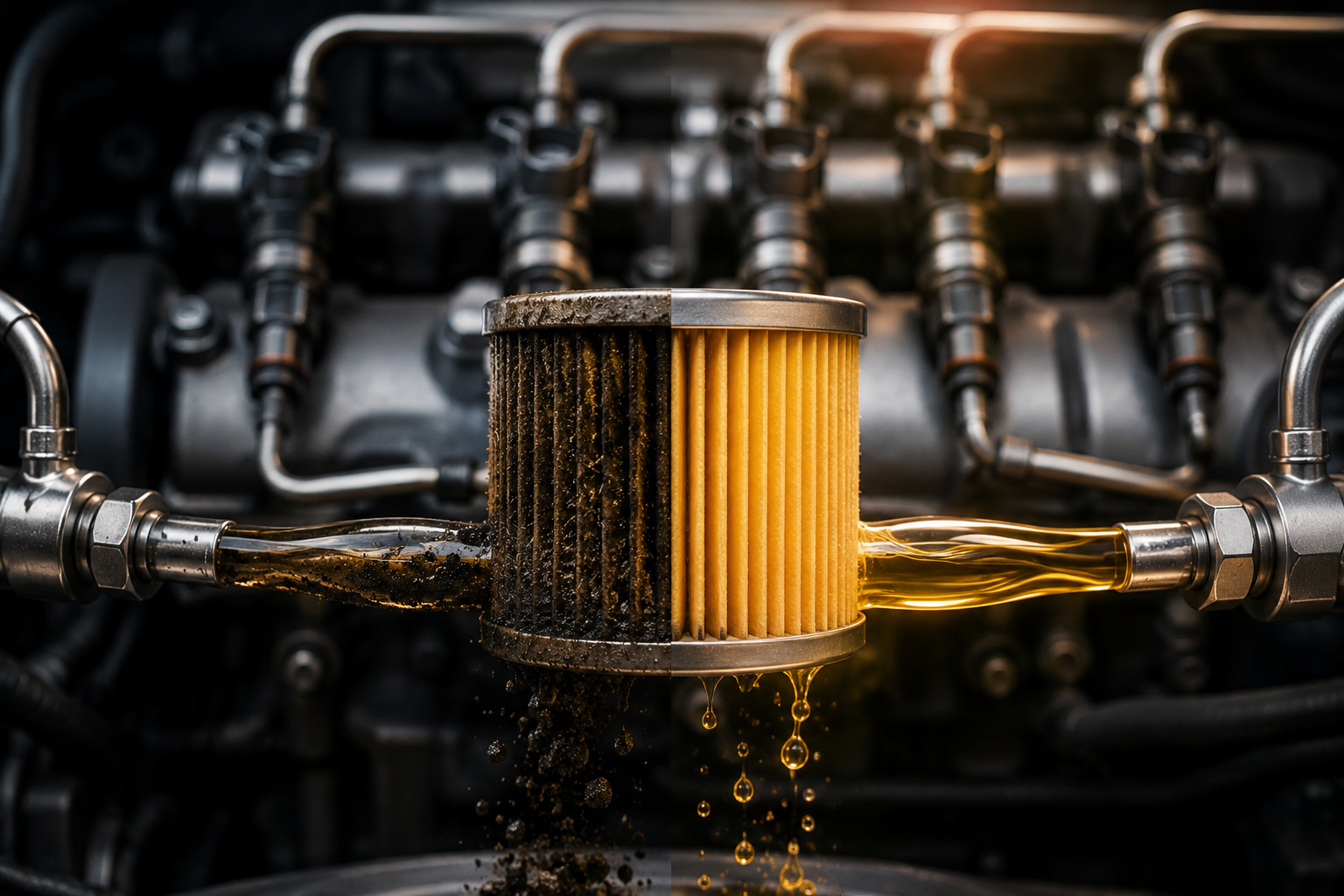
- Symptoms of a Clogged Fuel Filter: How to Protect Fuel Injectors from Dirt, Water, and Poor-Quality Fuel
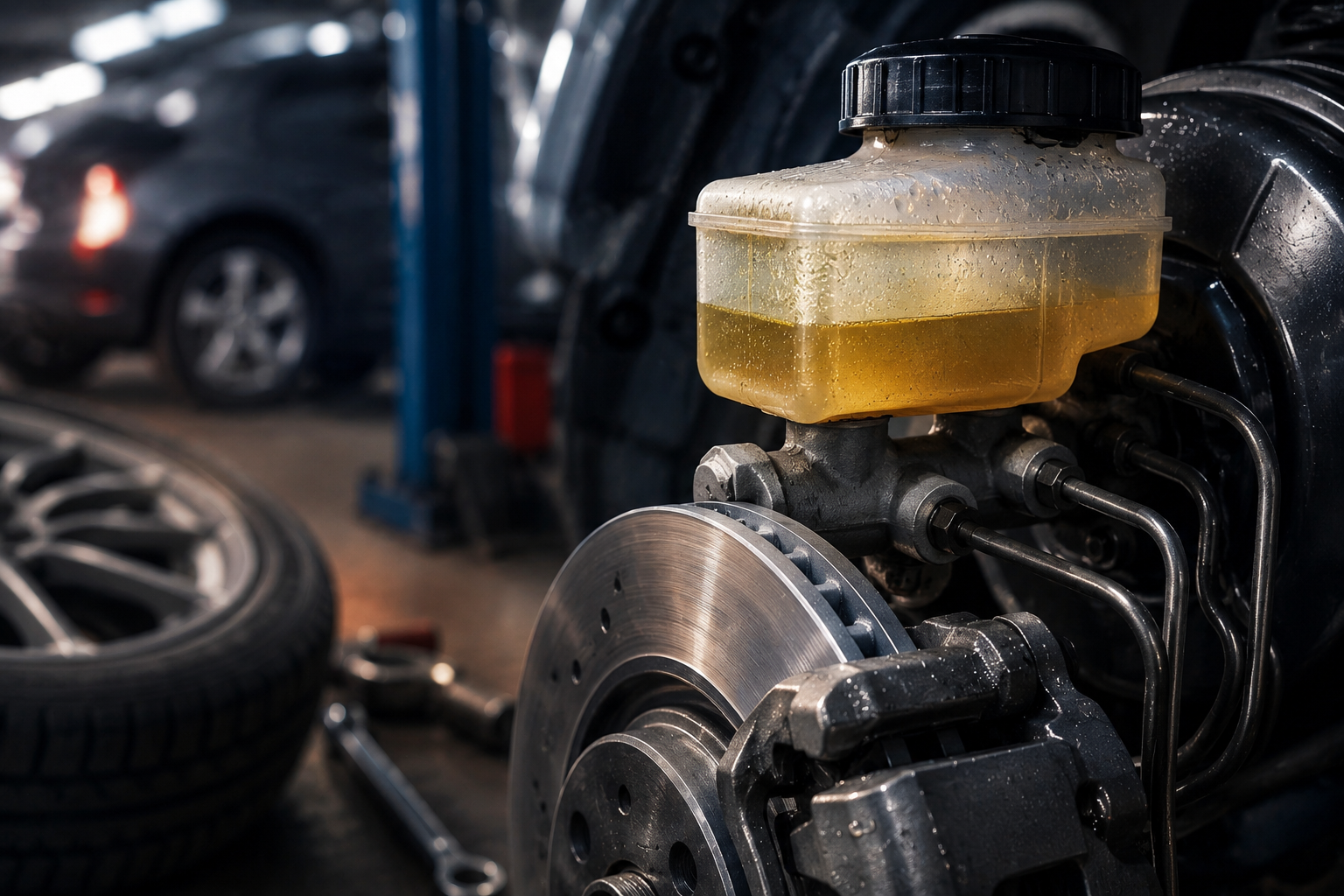
- When Brake Fluid Needs to Be Replaced and Why You Should Never Ignore the Service Interval
- Air Conditioner Pipe Freezing in a Car: Finding the Causes of Thermal Regulation Failure
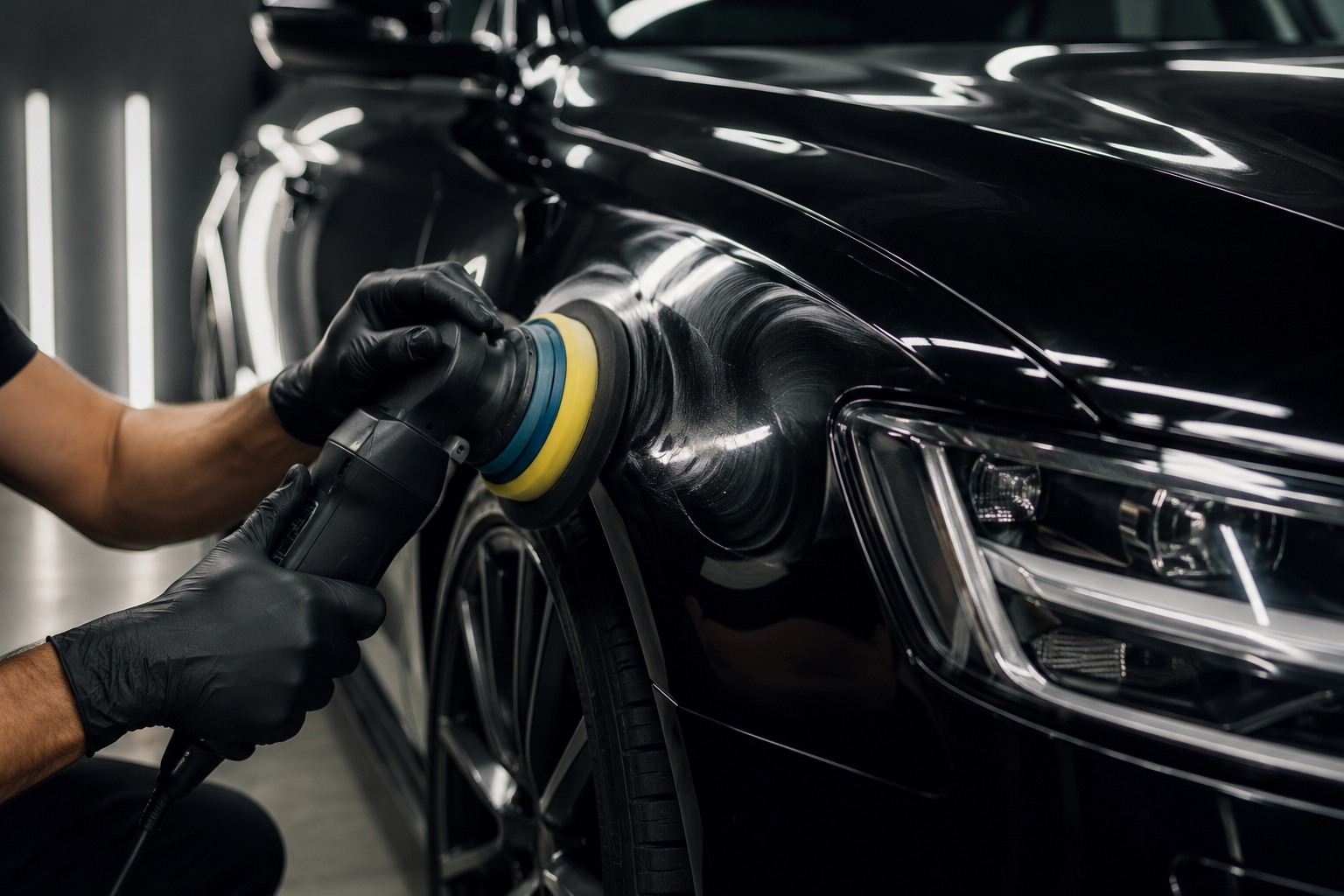
- Abrasive Car Body Polishing: How to Remove Scratches Without Wearing Through the Clear Coat
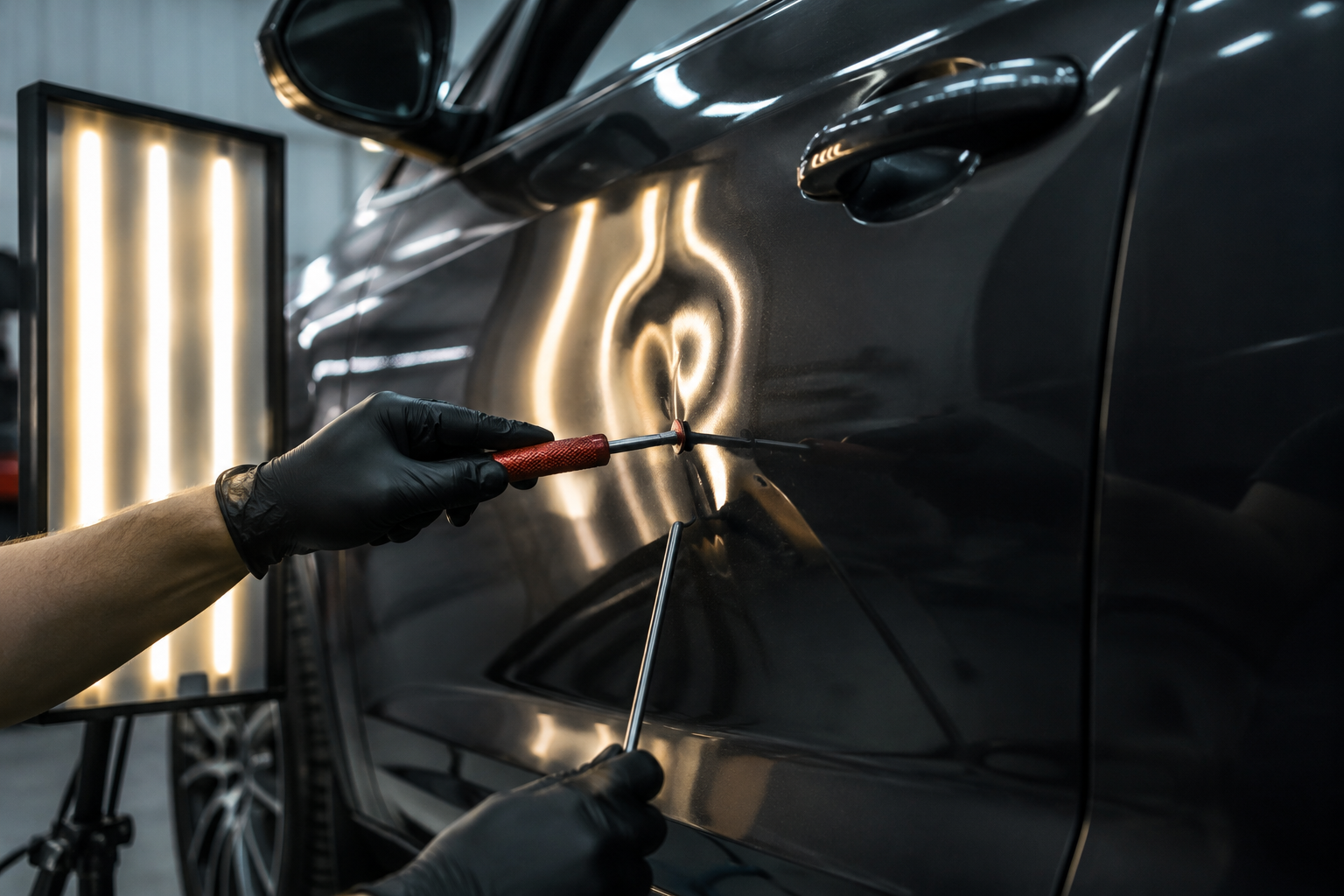
- Paintless Dent Repair in Kyiv: When You Can Avoid Repainting Your Vehicle
- Vehicle stability control: how electronics help you stay in control
- Why the ABS warning light comes on and how dangerous it is
- When replacing spark plugs becomes a necessity, not prevention

Subscribe to our newsletter!
To stay updated with the latest news
Related services


Book a service