Daily with | 08:00 - 20:00


Find

Contact us

Kyiv
st. Garmatnaya, 3
 Мережа СТО в місті

Kyiv
st. Garmatnaya, 3
 Мережа СТО в місті

 Години роботи
 Daily with
08:00 - 20:00
The myth of “no errors means everything is fine”

Many owners of modern cars mistakenly believe that the absence of error codes on the scanner means perfect engine operation. In fact, this is not so. A car breaks down without errors due to the complexity of electronic systems, control unit adaptations and mechanical wear of parts, which is often not recorded by sensors. Such a myth creates a false sense of security and leads to serious malfunctions that appear suddenly.
How the engine error detection system works
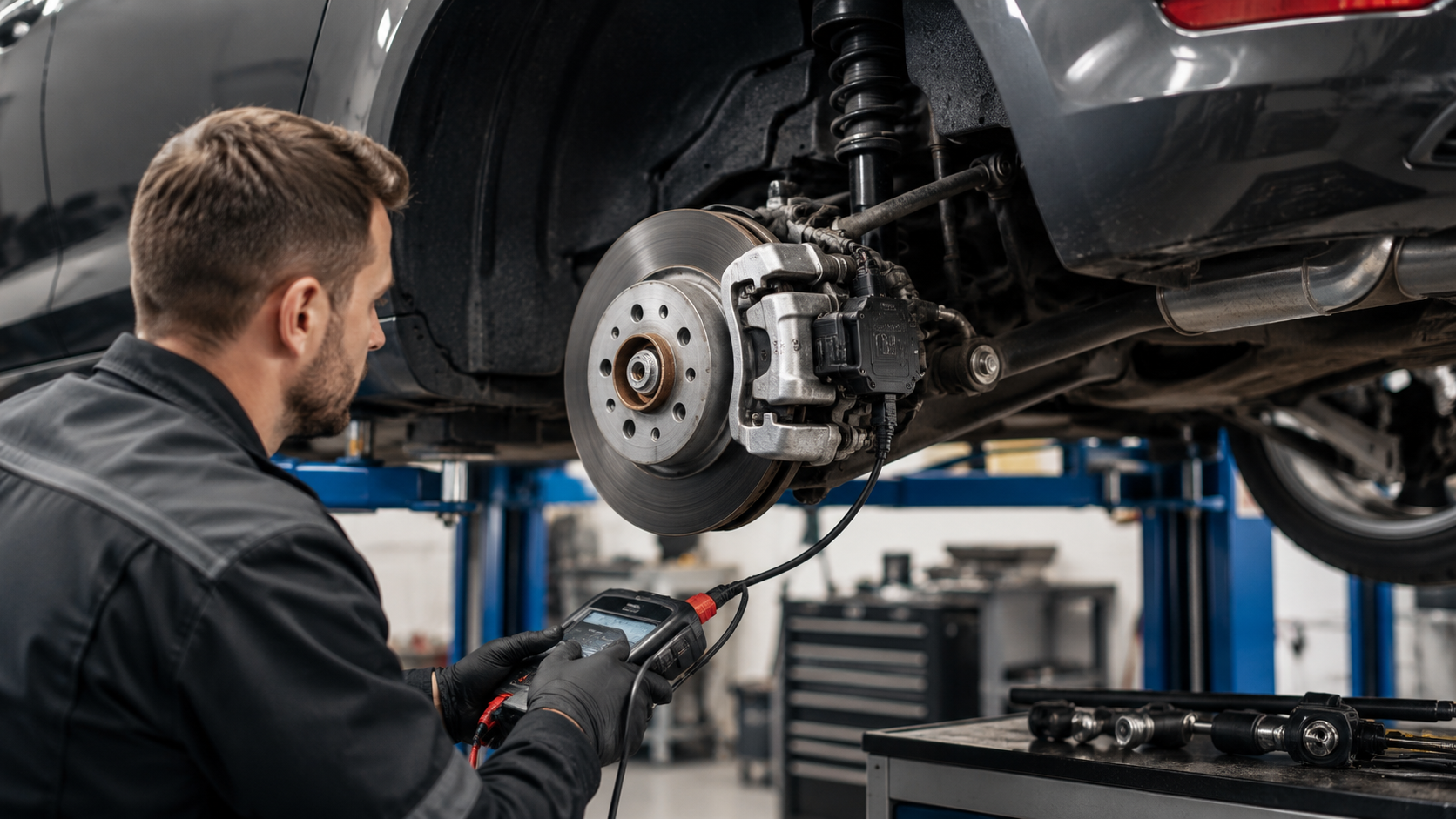
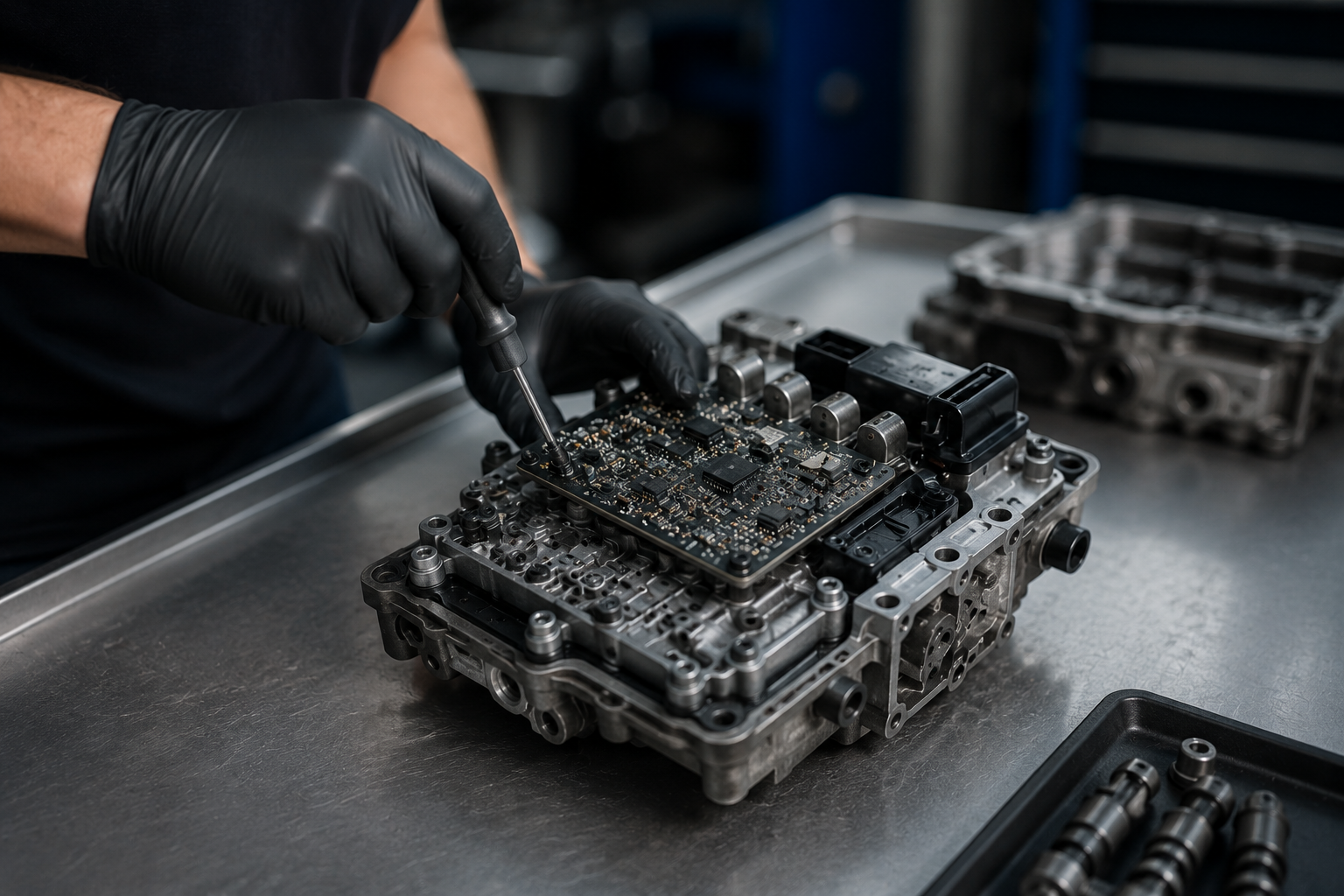
A modern engine is controlled by a control unit (ECU), which receives information from numerous sensors: fuel pressure, coolant temperature, crankshaft position, throttle position, oil level and others. The data is analyzed by algorithms set by the manufacturer and compared with factory limit values. If the indicator goes beyond the limits, an error code is generated, available for reading via a diagnostic scanner.
However, the control unit reacts only to violations that exceed the permissible limits. That is, some of the malfunctions will not be recorded and will remain invisible, although the engine may work with a defect. This explains why cars often break down without fault and faults without fault are common in modern cars.
Why mechanical problems are not always fixed
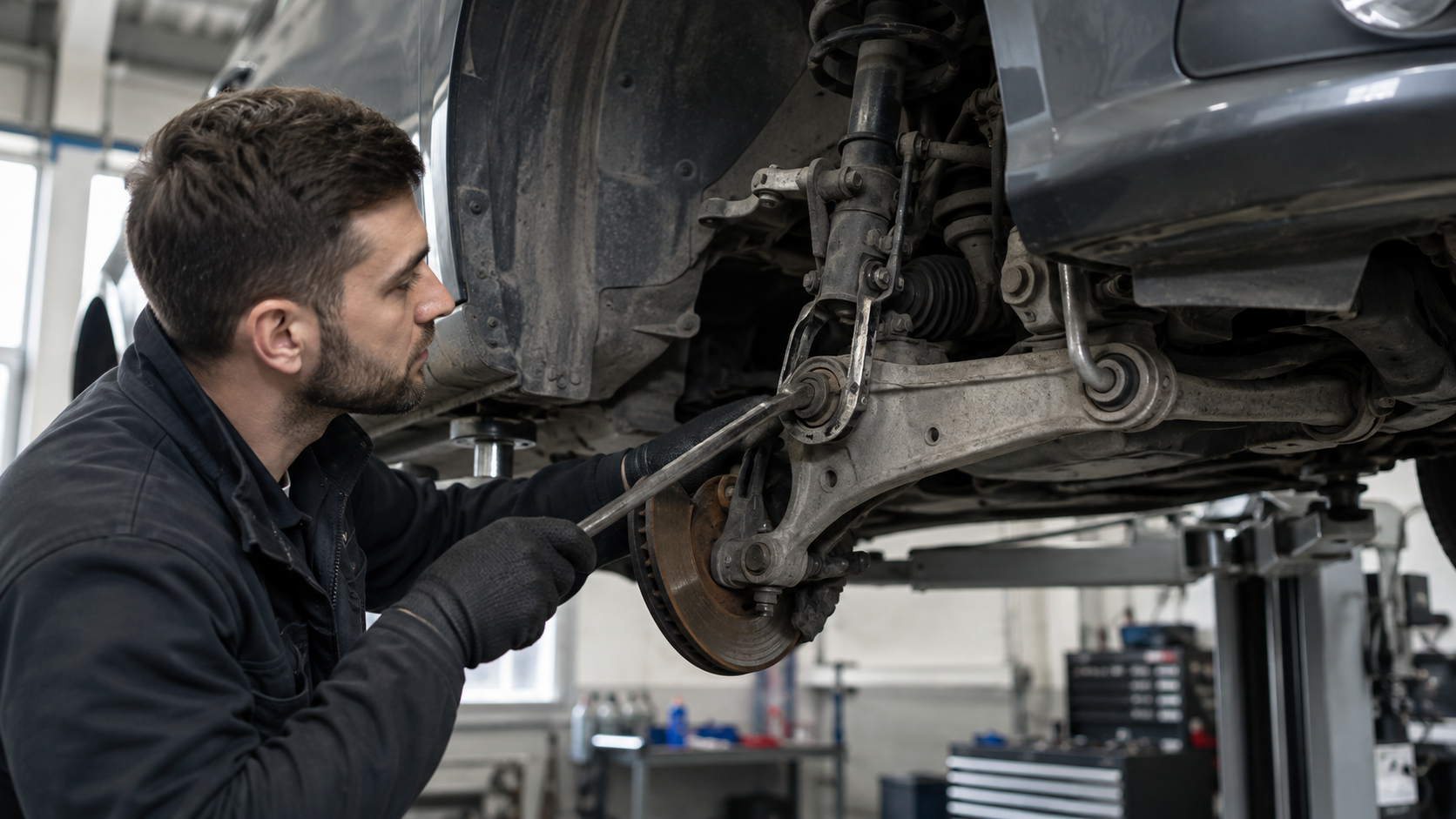
Mechanical wear or partial defects of parts do not usually generate signals for the ECU. For example, microcracks on pistons, weak friction of bearings or coked injectors do not cause error codes to appear, but over time they affect the engine’s operation. The engine may operate with reduced power, increased fuel consumption and load on other systems.
In addition, modern control units use adaptations that allow you to compensate for partial defects. For example, if a sensor detects a decrease in fuel pressure, the ECU can increase the operation of the fuel pump to maintain the required volume. This hides the problem from the owner, but does not eliminate it, so the car can break down without errors.
The role of adaptations and limit values
ECU algorithms allow the engine to operate within a safe mode. Adaptations change the behavior of the system in accordance with current indicators, which reduces the likelihood of activating an error code. For example, when the valves are partially worn, the control unit can compensate for changes in fuel delivery and ignition timing to keep the engine running. Such mechanisms mask defects until the wear or breakdown becomes critical. This explains why, with error-free diagnostics, the owner does not see real problems, although malfunctions without errors already affect the engine’s resource.
Typical examples of malfunctions without error codes

- Turbocharger or bearing wear – at the initial stage does not cause ECU signals, but reduces engine power and resource.
- Microcracks or coking of pistons and valves – reduce compression, but the sensors do not record changes to a critical state.
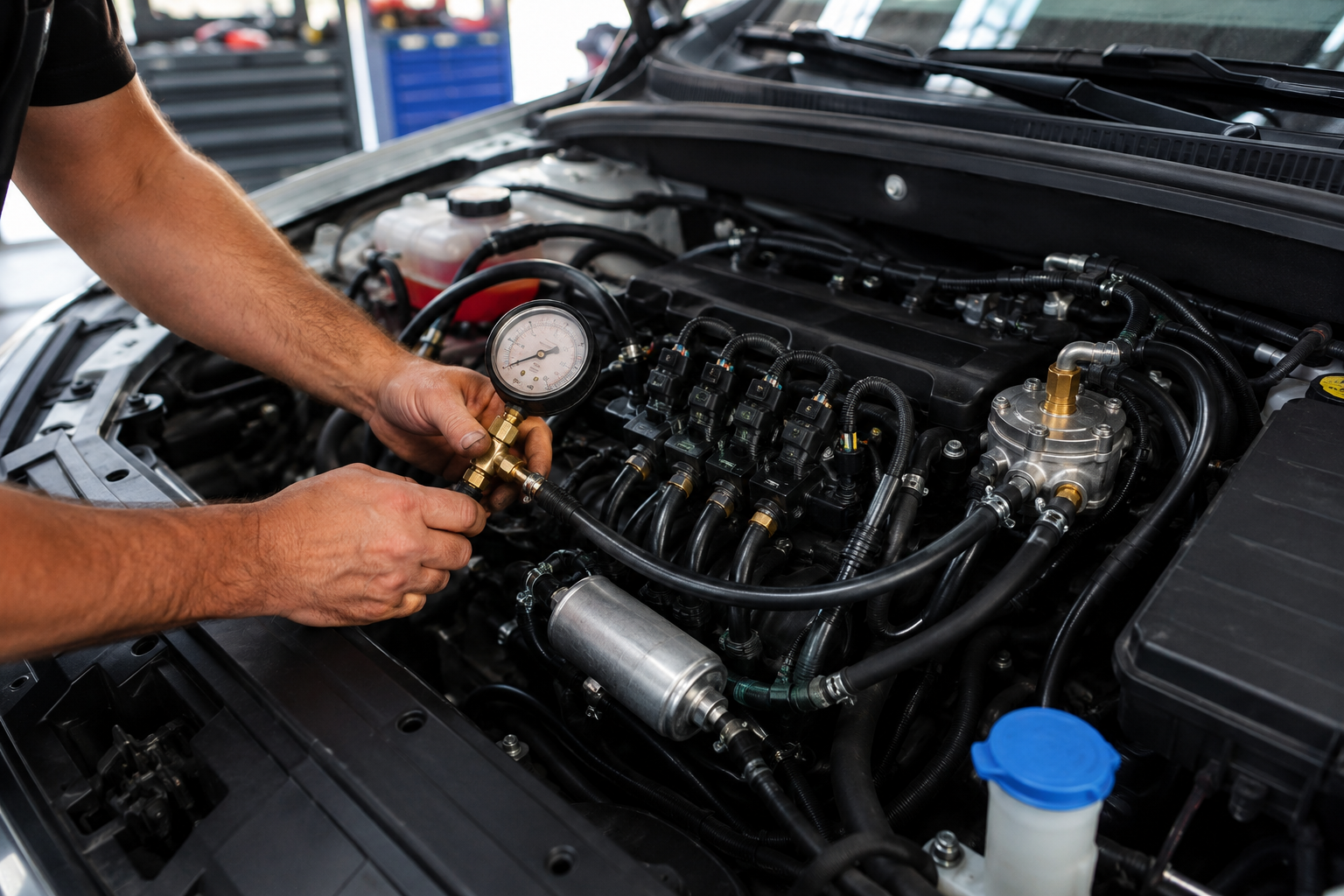
- Partial failures of injectors or fuel pump – incomplete fuel supply does not always generate an error code.
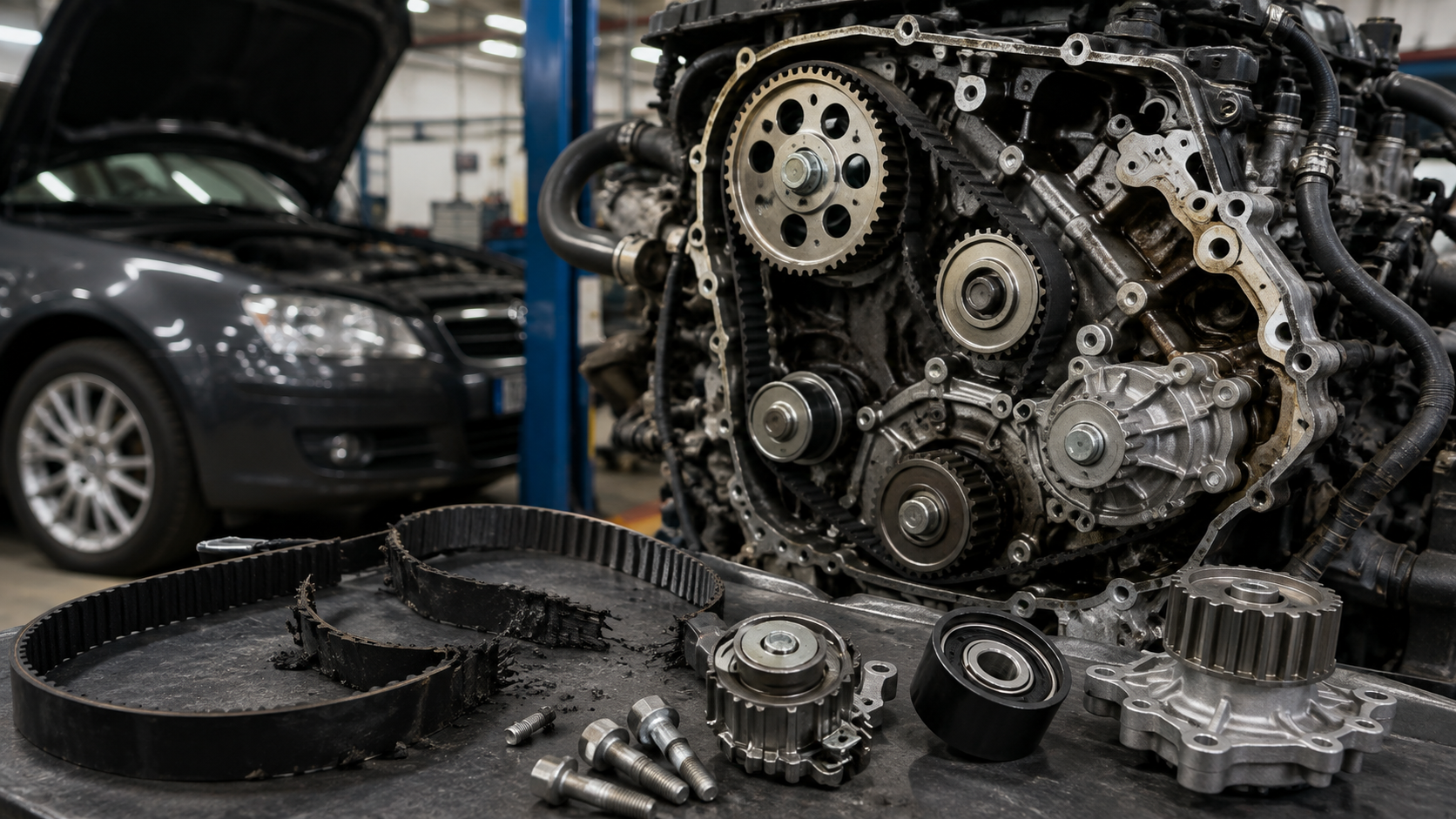
- Timing belt or chain faults – gradual wear may go unnoticed until it leads to serious damage.
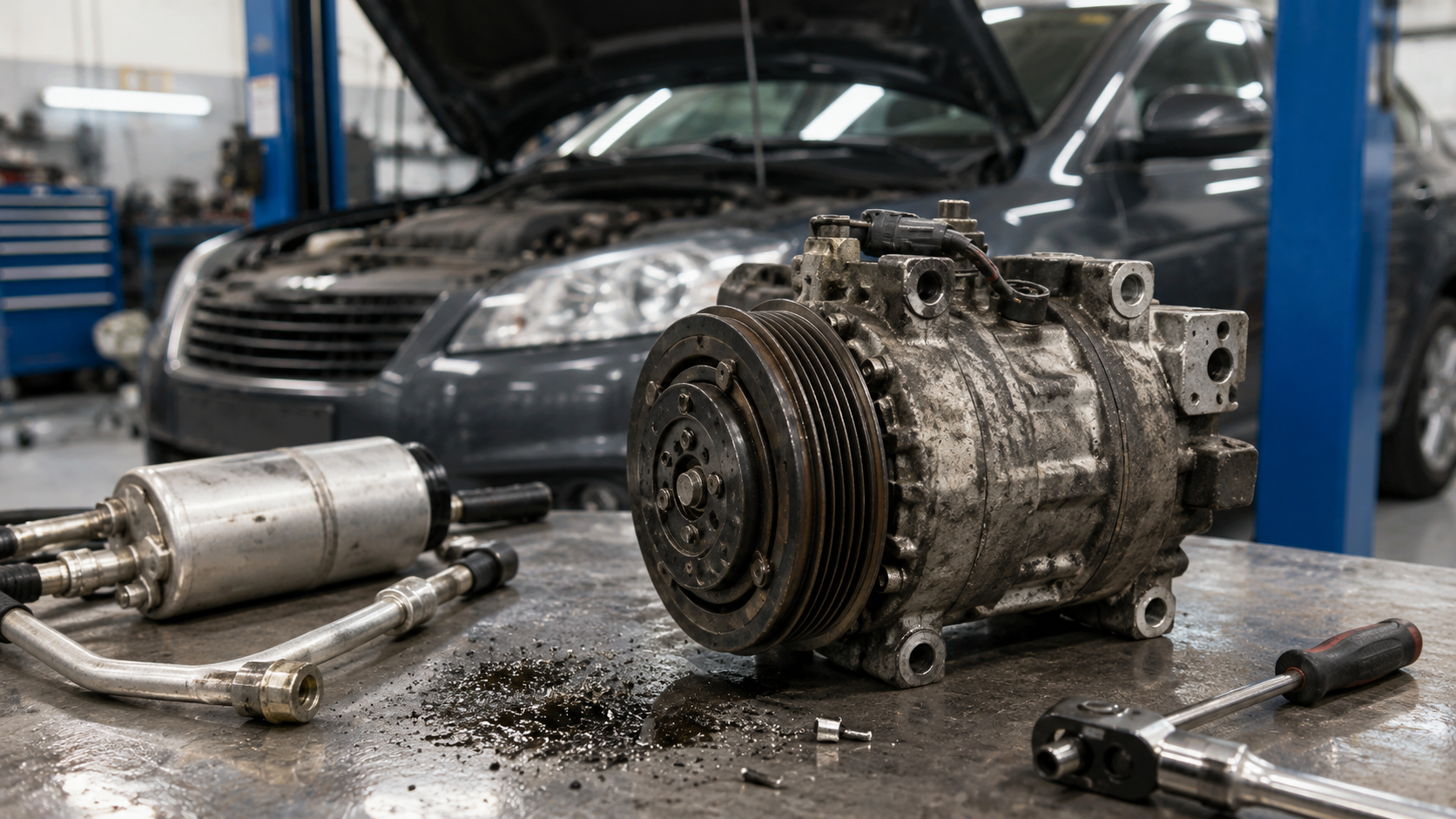
- Cooling or lubrication system problems – minor pressure or temperature drops may not activate errors, but harm the engine.
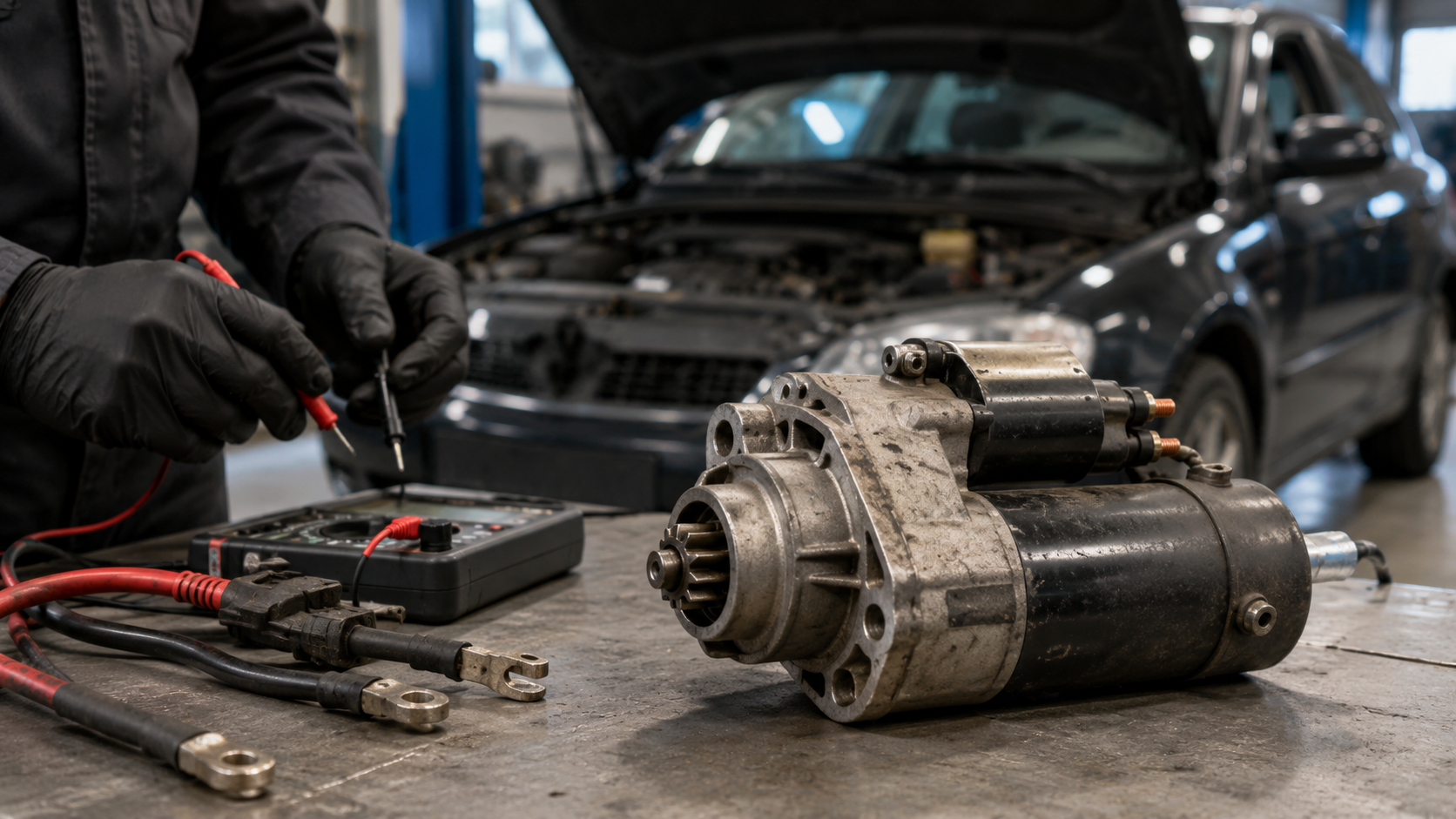
- Sensors and electronic components that fail partially – for example, an oxygen sensor or MAF that is operating unstable can change fuel supply without generating an error code.
All these examples demonstrate that a car breaks down without errors not because of unused diagnostic technology, but because of algorithm limitations, sensor limit values, and mechanical wear that are not always determined by electronic systems.
The absence of error codes does not guarantee the health of the engine and other systems. Modern cars are able to hide defects due to ECU adaptations and operation within limit values. The owner, focusing only on error-free diagnostics, risks missing the initial stages of malfunctions, which will later lead to serious breakdowns. Therefore, it is important to assess the condition of the car comprehensively, pay attention to the behavior of the engine, service history, and periodically inspect mechanical components, even if the diagnostics do not show errors.
Top popular news
- Car Interior Detailing: When a Vacuum Cleaner Is No Longer Enough
- Electric Vehicle Brake Pads: Longer Service Life with a Hidden Risk
- LED Instead of Halogen in a Factory Headlight: Why a Simple Replacement Does Not Work
- LPG Tank Inspection: Service Life and Safe Operation
- How Many Times Can You Polish a Car Body: What Determines the Service Life of the Clear Coat
- Paintless Dent Repair: Which Defects Are Suitable for PDR
- Installing LPG on a new car: not every engine works equally well on gas
- Seasonal tyre changes: more than simply swapping wheels

Subscribe to our newsletter!
To stay updated with the latest news
Related services


Book a service