Daily with | 08:00 - 20:00


Find

Contact us

Kyiv
st. Garmatnaya, 3
 Мережа СТО в місті

Kyiv
st. Garmatnaya, 3
 Мережа СТО в місті

 Години роботи
 Daily with
08:00 - 20:00
The engine is throbbing: why unstable operation occurs
What does it mean when the engine starts to throb?

When the engine starts to throb, it means that it is working unevenly, with fluctuations in power and unstable revolutions. Such symptoms are noticeable at any time of movement: at idle, the engine may suddenly “throb”, make an uneven sound or react with a delay when pressing the gas pedal. Unstable engine operation signals a violation of the normal operation of one or more of its elements. This is not just discomfort while driving, but a potential danger, since a malfunctioning engine can affect the dynamics of the car and increase fuel consumption.
Symptoms that accompany engine throb include uneven revolutions, fluctuations in revolutions, unpredictable reaction when accelerating and increased noise under the hood. There is a feeling that the car is “shaking a little”, especially at idle, and sometimes smoke is noticeable from the exhaust pipe, which indicates improper combustion of fuel. All this indicates the need for a detailed inspection of the ignition and fuel systems, as well as checking the engine sensors that monitor the operation of the cylinders.
The main causes of unstable engine operation
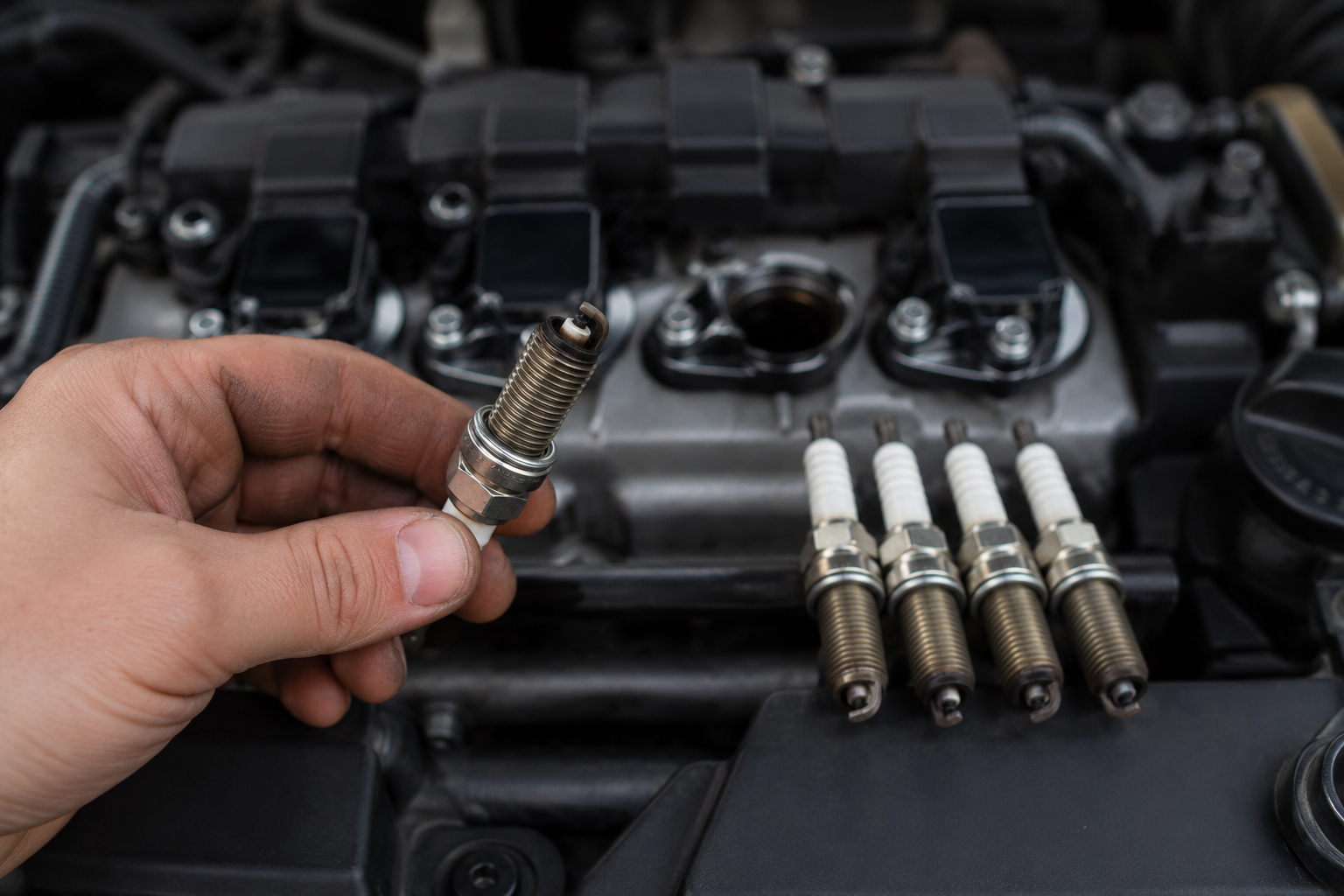
The reasons why the engine is throttling can be different and depend on the type of engine and its technical condition. The most common are problems with the ignition system. Worn or incorrectly installed spark plugs can create misfires, due to which one or more cylinders do not operate at full capacity. Damaged high-voltage wires and ignition coils also cause a similar effect, which is manifested by uneven engine operation.
The fuel system is another key factor. Clogged injectors or a malfunctioning fuel pump can lead to a lack of fuel in the cylinders. As a result, the engine runs unevenly, jerks are observed during acceleration and unstable gas response. Uneven fuel supply also causes increased fuel consumption and smoke from the exhaust pipe.
Engine sensors and electronic control systems play a critical role in the stability of the engine. For example, a faulty crankshaft or camshaft position sensor, mass air flow sensor, or knock sensor can cause uneven cylinder operation. Modern cars are equipped with computer diagnostic systems, and in case of problems with the sensors, the engine can enter emergency mode, limiting power and displaying errors on the instrument panel.
How to understand the source of the problem
Determining the source of why the engine is throttling requires attention to symptoms and logical analysis. If the engine is throttling at idle, most often the problem is related to the ignition system or injectors. If the uneven operation is manifested only under load, there is probably a malfunction in the fuel system or in the operation of the sensors. The presence of smoke from the exhaust pipe or a specific smell of fuel helps to localize the problem.
To accurately determine the causes of unstable engine operation, it is important to check each cylinder for misfires, assess the condition of the spark plugs, coils, wiring, and test the operation of injectors and sensors. In some cases, computer diagnostics are required, which allows you to quickly find out why the engine is running unevenly and detect errors in the electronic control system.
When to contact a car service
It is worth contacting a car service at the first signs of unstable engine operation. Ignoring the symptoms leads to increased wear of cylinders, pistons, and valves. Constant engine operation in a trilling state increases the load on mechanical components, which can lead to expensive repairs. It is especially important to conduct diagnostics when loud noise appears, jerks during acceleration, and smoke appears from the exhaust pipe.
Timely inspection of the engine and elimination of the cause of the trilling engine helps to avoid serious breakdowns and ensures stable operation of the car. Computer diagnostics allows you to quickly identify malfunctions in sensors, spark plugs, injectors, and the fuel system, which reduces the risk of further engine wear and increases driving safety.
Top popular news
- Symptoms of a Clogged Fuel Filter: How to Protect Fuel Injectors from Dirt, Water, and Poor-Quality Fuel
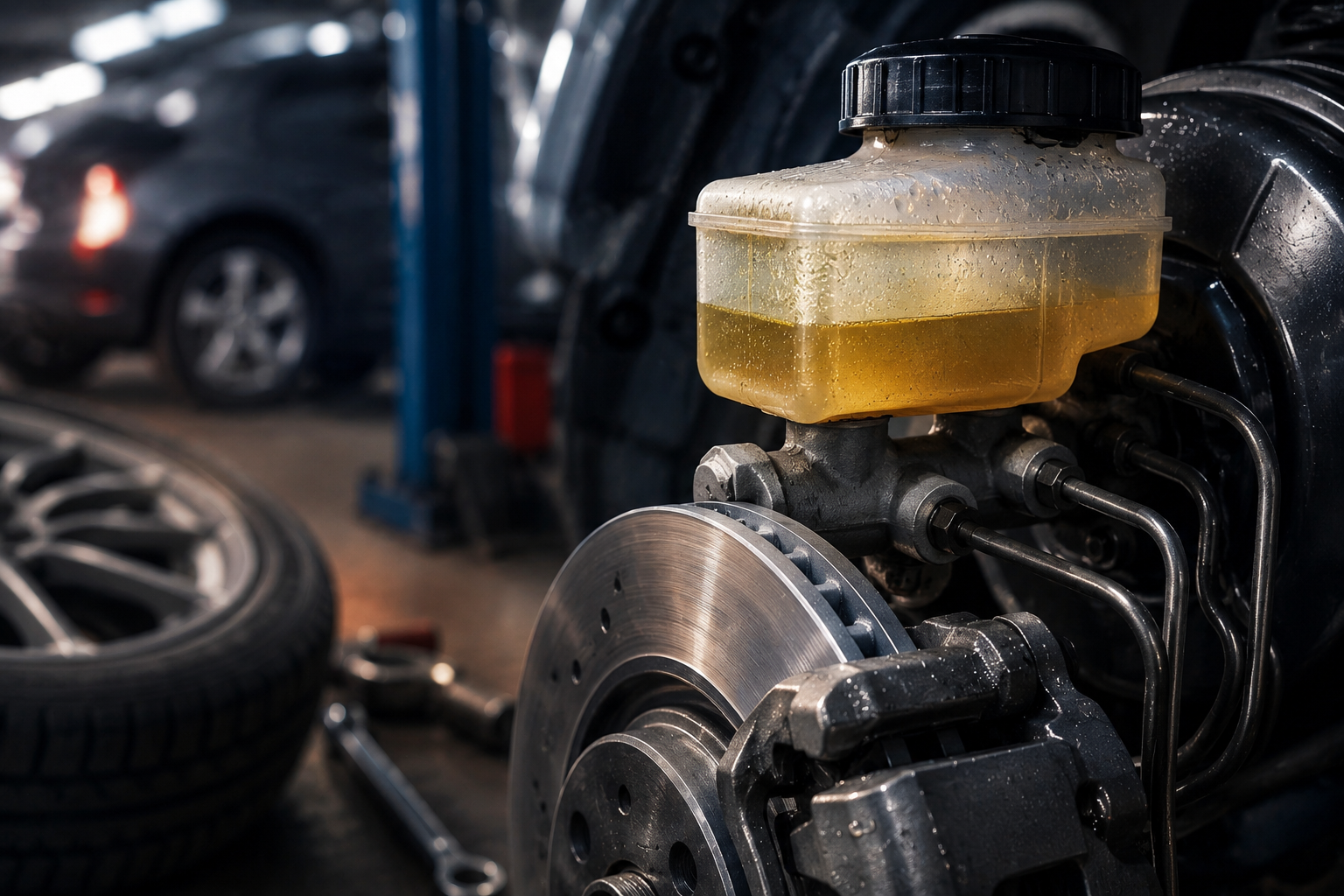
- When Brake Fluid Needs to Be Replaced and Why You Should Never Ignore the Service Interval
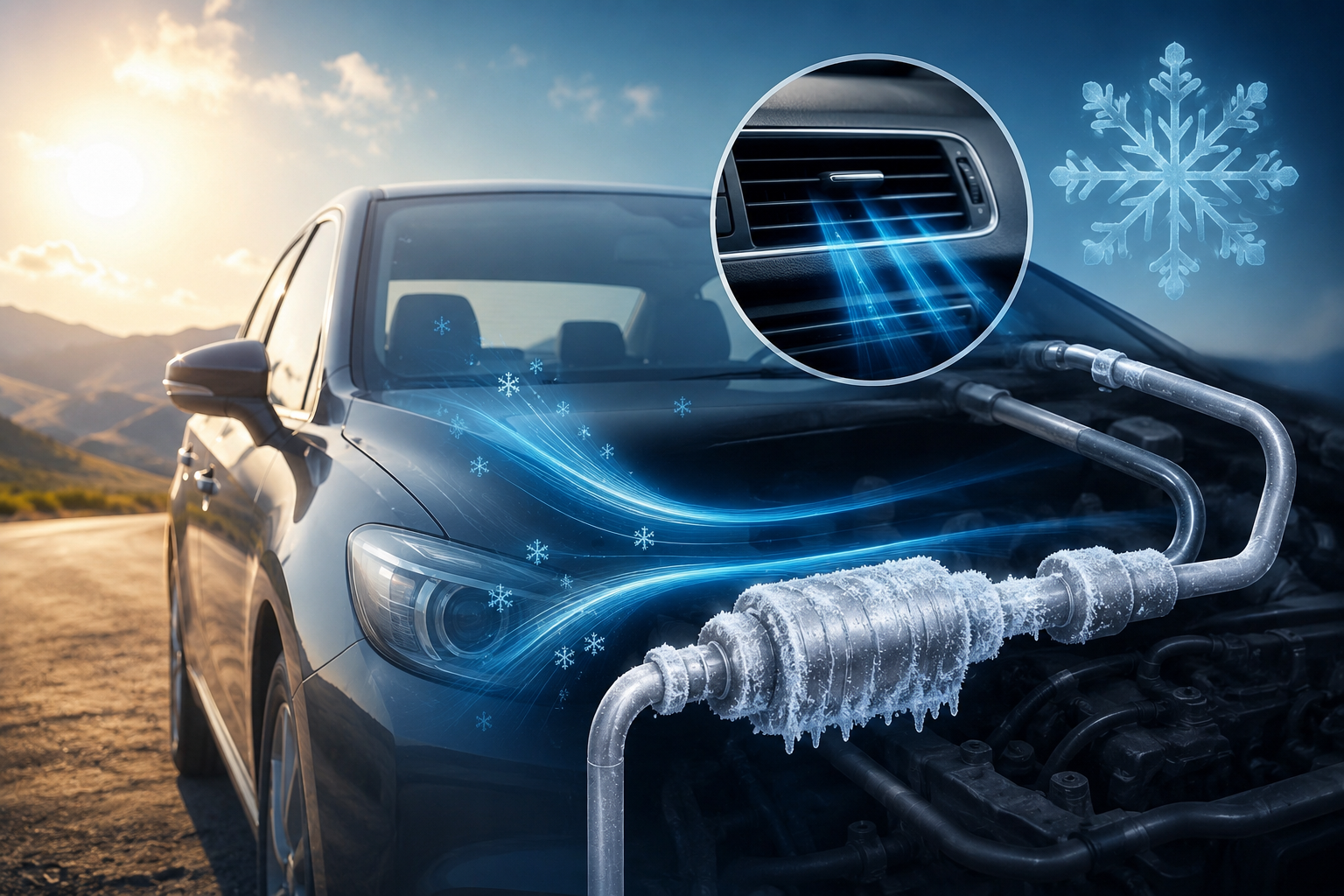
- Air Conditioner Pipe Freezing in a Car: Finding the Causes of Thermal Regulation Failure
- Abrasive Car Body Polishing: How to Remove Scratches Without Wearing Through the Clear Coat
- Paintless Dent Repair in Kyiv: When You Can Avoid Repainting Your Vehicle
- Vehicle stability control: how electronics help you stay in control
- Why the ABS warning light comes on and how dangerous it is
- When replacing spark plugs becomes a necessity, not prevention

Subscribe to our newsletter!
To stay updated with the latest news
Related services


Book a service