Daily with | 08:00 - 20:00


Find

Contact us

Kyiv
st. Garmatnaya, 3
 Мережа СТО в місті

Kyiv
st. Garmatnaya, 3
 Мережа СТО в місті

 Години роботи
 Daily with
08:00 - 20:00
Suspension Knocking Over Bumps: How to Tell the Difference Between a Sway Bar Link and a Shock Absorber
A vehicle’s suspension rarely fails without warning. It usually starts with a barely noticeable noise that gradually becomes more frequent while the vehicle’s handling begins to change. Many drivers simply turn up the music and postpone finding the cause. In reality, unusual noises are often the first sign of a developing problem. Understanding the difference between the sounds made by worn sway bar links and faulty shock absorbers can help identify the source of the issue early and prevent more expensive repairs. That is why knocking from the front suspension over bumps should never be ignored.
One Noise, Different Problems

Noises that seem similar at first can originate from completely different suspension components. A frequent metallic or plastic-like rattle over small bumps is usually associated with worn sway bar links. If the impacts are dull, accompanied by excessive body movement and noticeable front-end diving during braking, the shock absorbers should be inspected first.
For this reason, it is important to evaluate not only the sound itself but also how the vehicle behaves while driving.
When the Sway Bar Links Are Worn
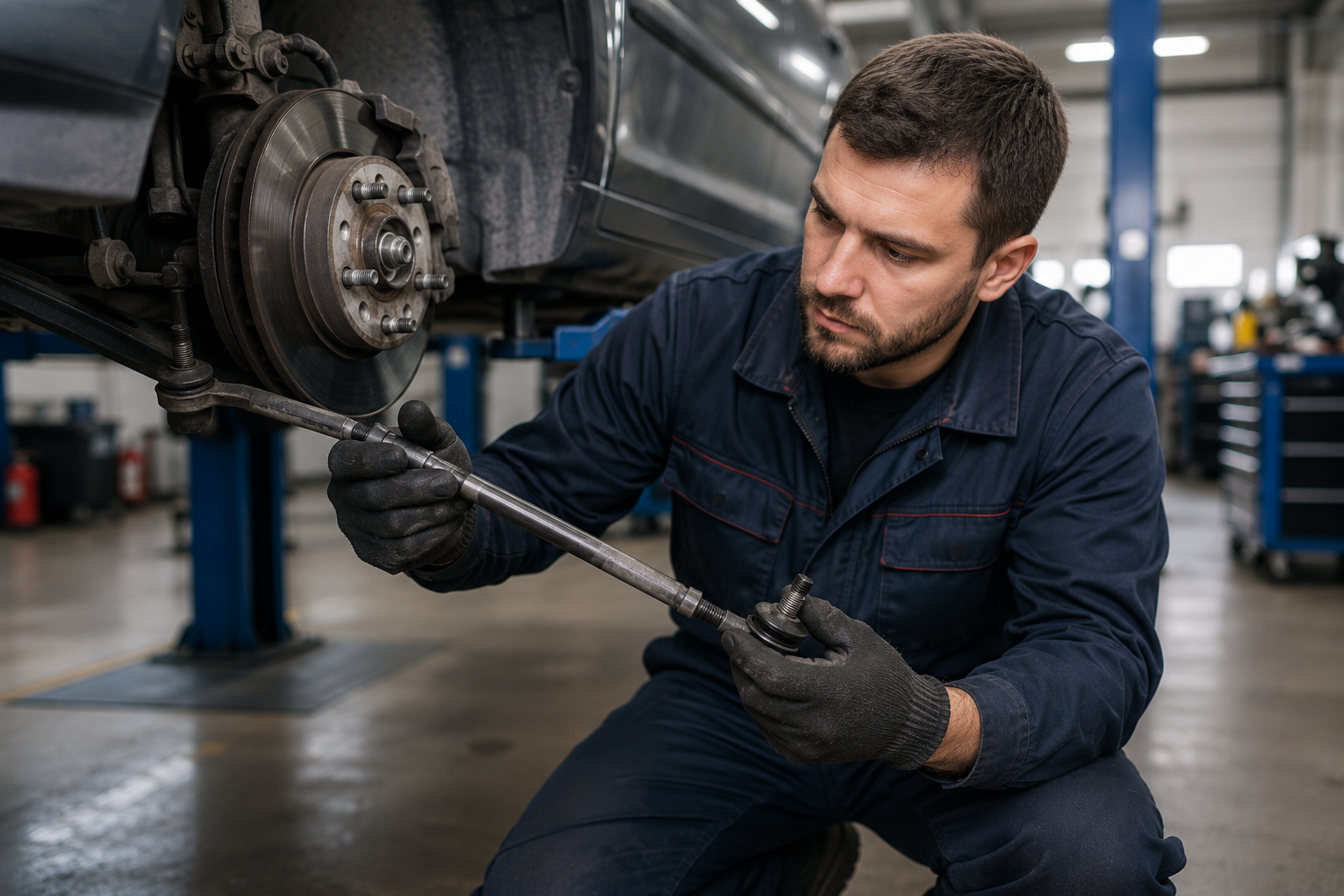
Sway bar links work almost continuously, compensating for body movement on uneven roads. Because they are constantly under load, their ball joints gradually wear out, making them one of the first suspension components to produce noticeable noises.
The most common signs of worn sway bar links include:
- frequent metallic or plastic-like knocking;
- the noise is most noticeable on cobblestones, gravel, or rough pavement;
- the sound becomes weaker or disappears completely when both wheels pass over a speed bump at the same time;
- braking performance and vehicle stability remain almost unchanged.
This happens because when both wheels move over an obstacle simultaneously, the sway bar experiences very little twisting force, significantly reducing the load on the sway bar links.
Similar symptoms may also occur when the sway bar bushings wear out. Once they lose their elasticity, they can no longer hold the sway bar securely, resulting in the same characteristic light knocking noise.
When the Problem Is the Shock Absorbers
Shock absorbers are responsible for much more than ride comfort. Their primary function is damping, which means quickly controlling suspension movement after the vehicle passes over bumps. When this function is compromised, both the sound and the vehicle’s behavior change.
Common symptoms of worn shock absorbers include:
- dull impacts when driving over large potholes;
- increased body movement and bouncing;
- noticeable front-end dive during braking;
- oil leaks on the shock absorber housing;
- wear of the shock absorber rod, strut mount bearing, or related components.
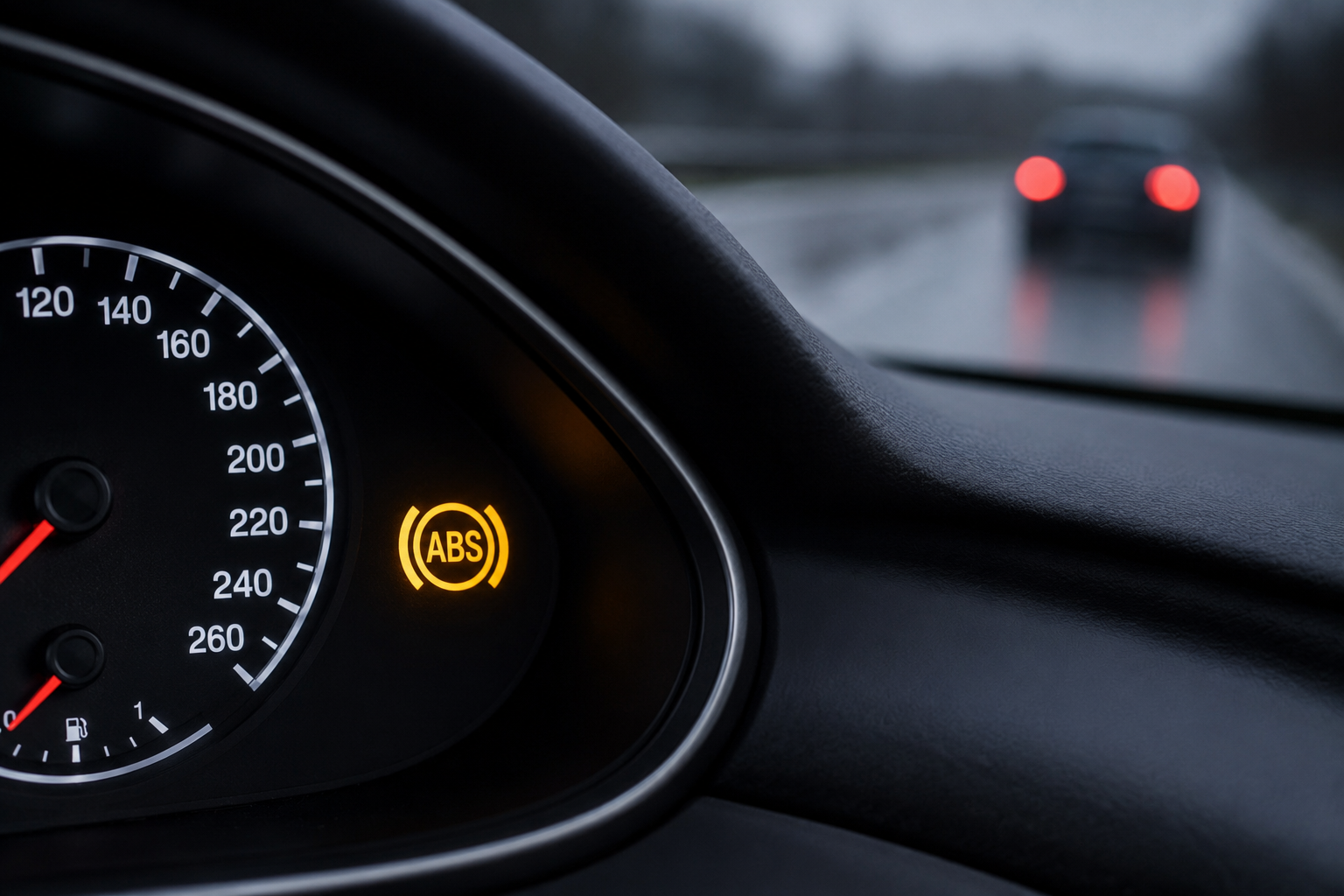
In this condition, the tire no longer maintains consistent contact with the road surface. After hitting a bump, the wheel may briefly lose traction, increasing braking distance, reducing steering control, and causing the ABS system to activate sooner than necessary. At the same time, control arm bushings, strut mount bearings, and other suspension components wear out much faster.
Why Accurate Diagnosis Matters
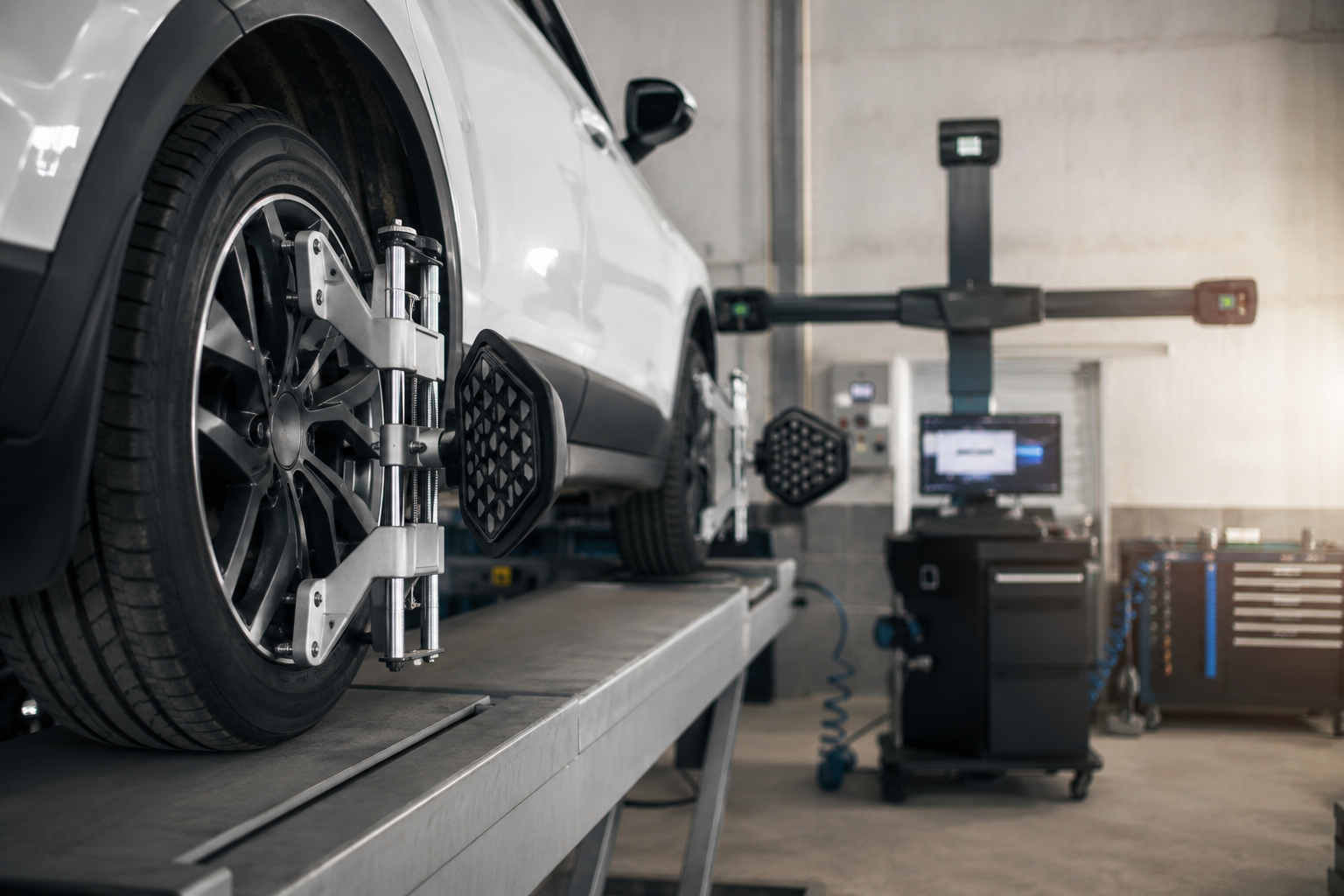
Similar suspension noises may come not only from sway bar links or shock absorbers but also from many other suspension components. That is why professional suspension diagnostics in Kyiv include inspecting the vehicle on a lift. Using specialized inspection tools, technicians check for excessive play, evaluate the condition of the shock absorbers, bushings, and suspension joints, and only then determine the actual source of the noise.
After the inspection, technicians can accurately identify which parts require replacement and calculate the cost of shock absorber replacement without performing unnecessary repairs. This approach ensures that suspension repairs target the actual cause of the problem rather than simply replacing parts based on assumptions.
Worn sway bar links usually affect ride comfort, while worn shock absorbers directly influence vehicle stability and braking performance. That is why any new suspension noise should always be treated as a reason for inspection. The sooner the source of the problem is identified, the lower the risk of expensive repairs to other suspension components.
Top popular news
- Electric Vehicle Suspension: What Makes It Different?
- Electric Vehicle Maintenance Schedule: What Needs to Be Replaced?
- Wheel Alignment: After Which Repairs Is It Mandatory?
- Steering Wheel Play: When to Replace Tie Rods and Tie Rod Ends
- Power Steering Makes Noise or Feels Heavy: Causes and Diagnosis
- DSG Mechatronic Unit: Early Signs of Failure and Why Ignoring the Problem Costs More
- Automatic Transmission Jerks During Shifting: How to Tell Normal Operation from a Fault
- Symptoms of a Clogged Fuel Filter: How to Protect Fuel Injectors from Dirt, Water, and Poor-Quality Fuel

Subscribe to our newsletter!
To stay updated with the latest news
Related services


Book a service