Daily with | 08:00 - 20:00


Find

Contact us

Kyiv
st. Garmatnaya, 3
 Мережа СТО в місті

Kyiv
st. Garmatnaya, 3
 Мережа СТО в місті

 Години роботи
 Daily with
08:00 - 20:00
What to Check When Inspecting a Car Imported from the USA Before Buying
Cars imported from the United States remain popular because of their generous equipment levels and attractive prices. However, after arriving in Ukraine, most of them undergo repairs of varying complexity. The quality of those repairs determines how safe and reliable the vehicle will be in the future. If you want to know how to inspect a car imported from the USA before buying, do not rely solely on its appearance. A freshly polished body does not guarantee that the structural frame is undamaged or that the safety systems are functioning properly. A visual inspection without a professional examination on a vehicle lift can easily turn the purchase into a costly gamble.
Start with the Vehicle History
First, find out which insurance auction, such as Copart or IAAI, the vehicle was purchased from and what type of damage it originally sustained. Review Carfax or AutoCheck reports to learn about the mileage, insurance claims, ownership history, and maintenance records. However, even a complete report cannot guarantee the absence of hidden defects because not every repair is recorded in these databases.
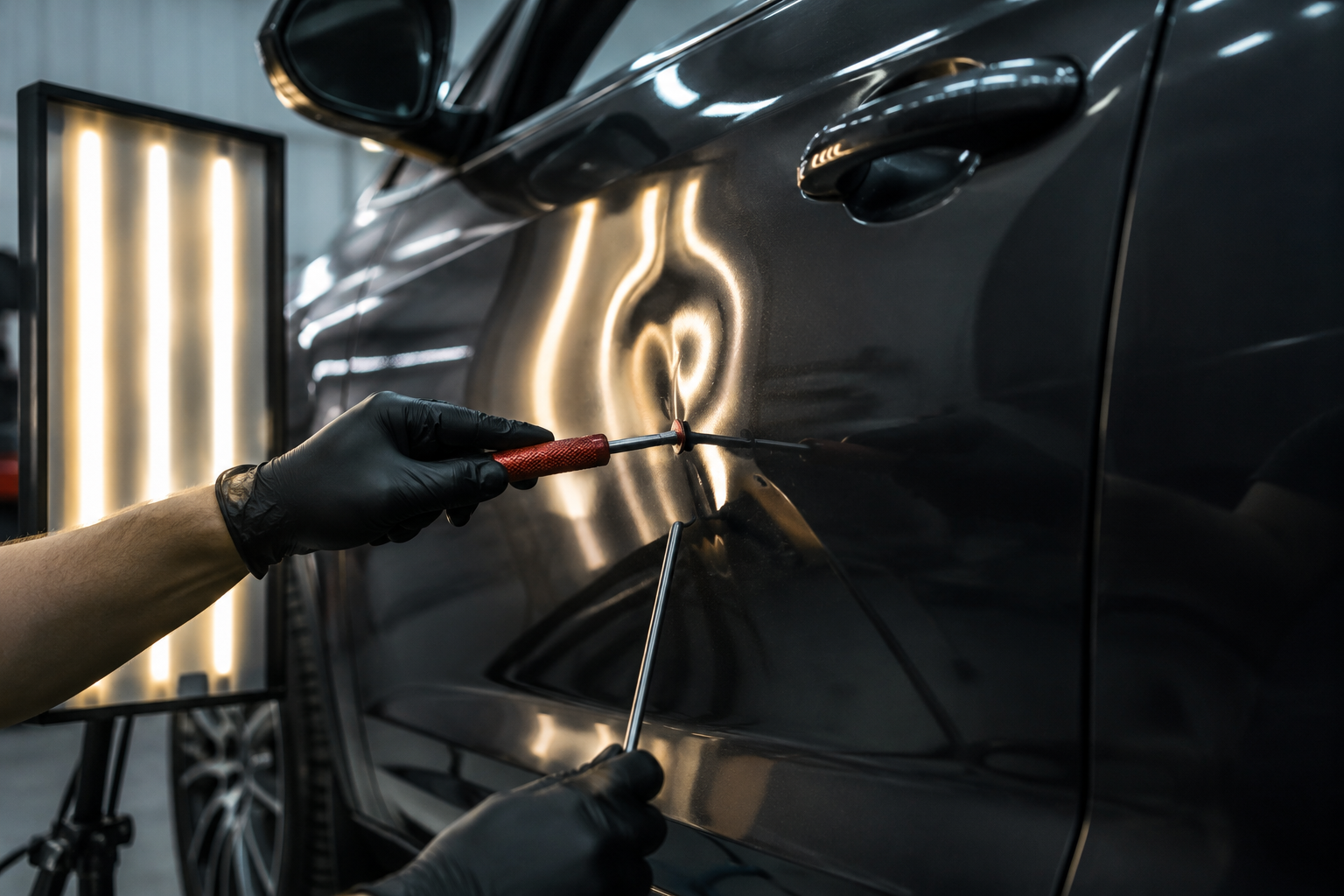
If the vehicle has already undergone body repairs after being imported from the United States, pay special attention to the structural parts of the body rather than focusing only on the paint finish.
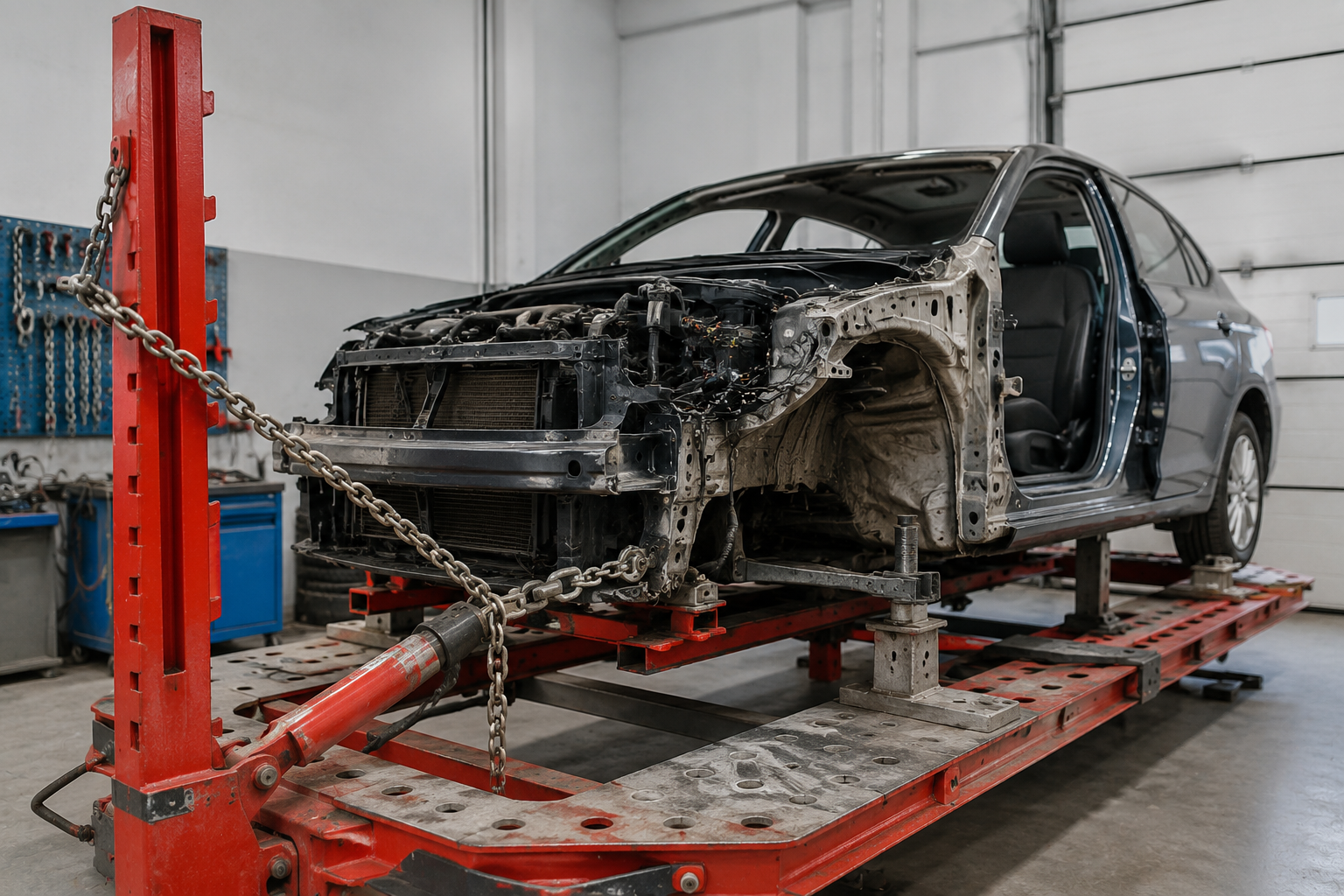
Structural Frame: Where Hidden Damage Can Be Found
Many buyers evaluate only the consistency of body panel gaps. In reality, perfectly aligned doors and fenders do not prove that the repairs were performed correctly. The most important task is to inspect the frame rails and the structural body because these components are responsible for maintaining the vehicle’s strength after a collision.
During the inspection, pay close attention to:
- the engine compartment;
- the inner sections of the frame rails;
- the strut towers;
- the subframe mounting points;
- the trunk floor;
- the spare wheel well;
- factory seam sealer and spot welds.
Wrinkled metal, uneven seam sealer, signs of frame pulling, or repainting of internal structural components may indicate hidden collision damage that cannot be detected during a simple visual inspection.
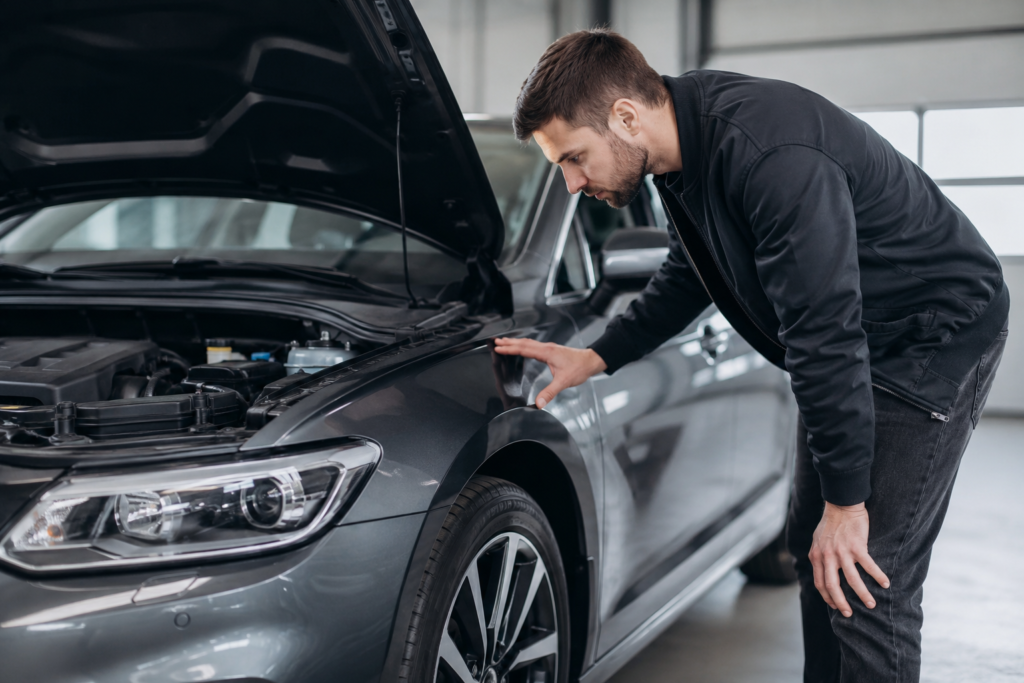
A paint thickness gauge is also a valuable tool. It helps identify repainted body panels but cannot reveal the condition of the structural frame or the quality of welding repairs. Even consistent paint thickness readings do not rule out major structural repairs, so the measurements should always be evaluated together with a thorough visual inspection.
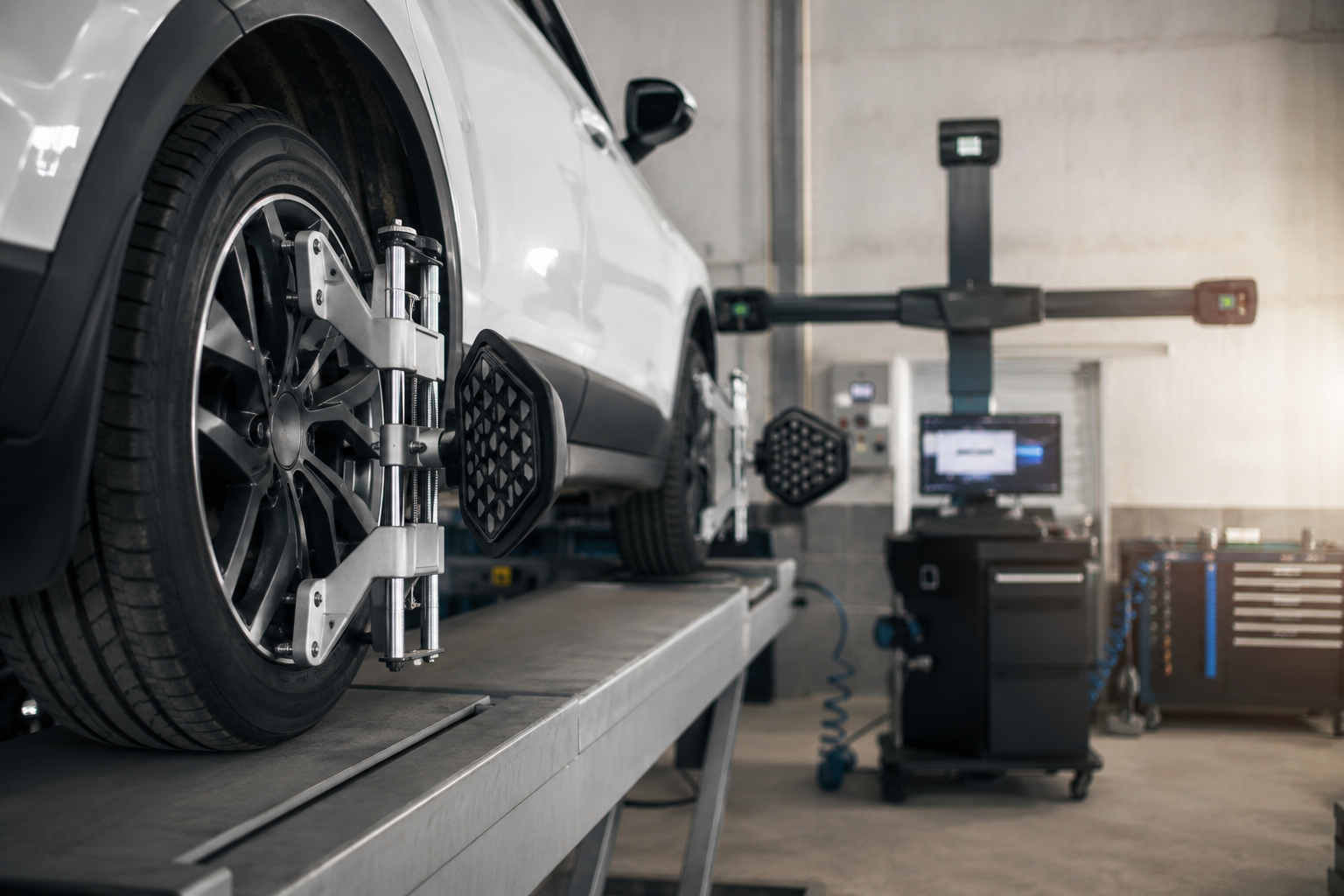
Checking the vehicle’s structural geometry is equally important. If structural components remain misaligned by even a few millimeters after repairs, vehicle handling may be affected, tire wear may increase, and wheel alignment may become difficult to achieve. For this reason, professional frame geometry inspection using specialized equipment is highly recommended before purchasing the vehicle.
Inspect the Safety Systems
Pay particular attention to the Airbag system. After deployment, the manufacturer requires replacement of the affected components. However, poor quality repairs sometimes involve installing resistor bypasses that simply imitate a functioning airbag system.
During the inspection, check:
- the steering wheel;
- the dashboard;
- the side curtain airbags;
- the seat belts and their locking mechanisms;
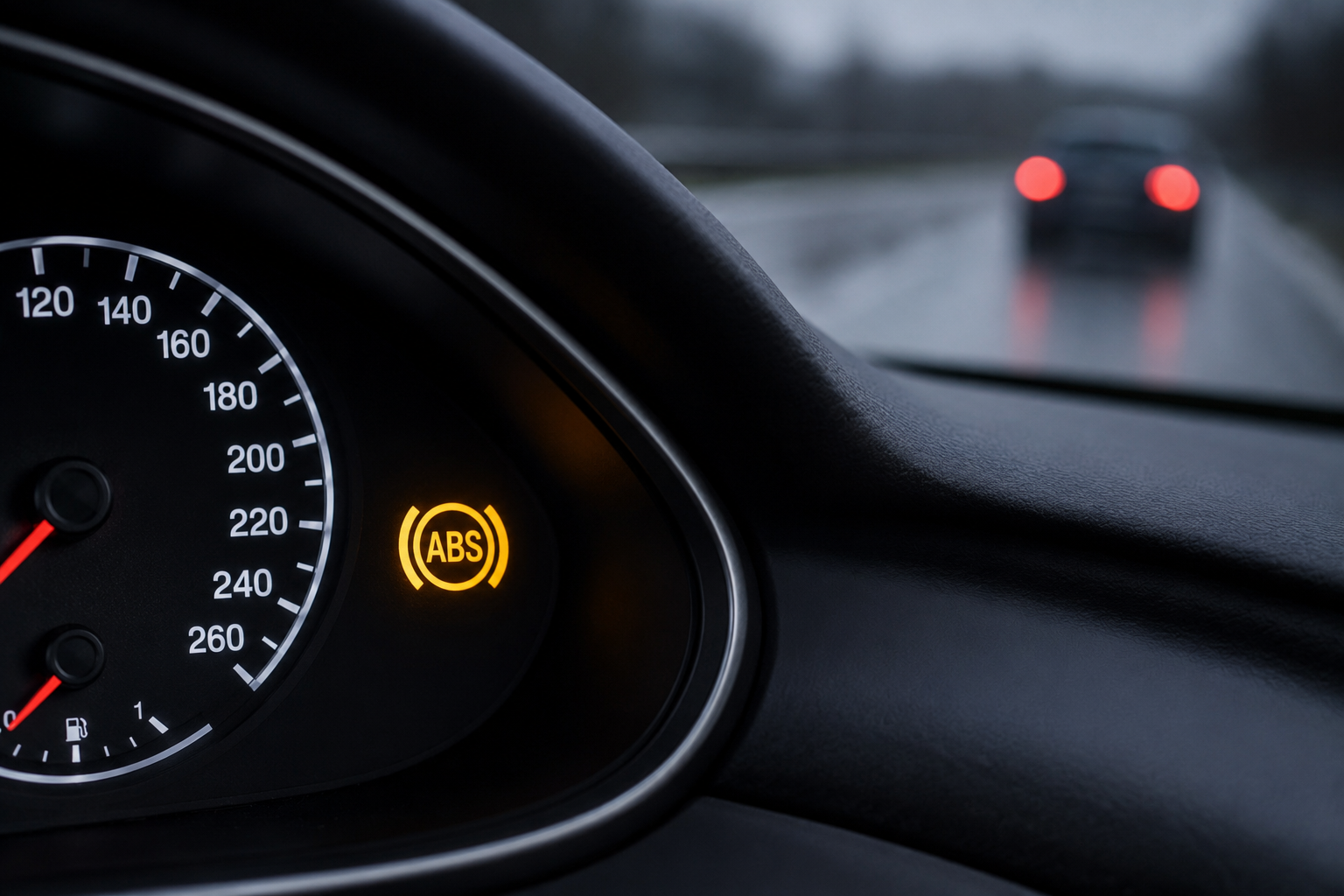
- the Airbag warning indicator on the instrument panel.
A complete post collision safety inspection should include computer diagnostics, verification of electronic control modules, and a visual inspection of the seat belts. It is also advisable to compare the manufacturing dates of safety system components whenever possible. Significant differences between the vehicle’s production year and the dates on individual components may indicate that they were replaced after an accident.
Electronics and Flood Damaged Vehicles
Vehicles labeled with Water or Flood history require especially careful inspection. Moisture can leave corrosion, green oxidation, or damaged electrical contacts beneath the carpet, inside connectors, and throughout the wiring harness. These defects often appear only after several months of ownership and may cause unpredictable electronic failures.
During the inspection, electrical connectors under the seats, inside the trunk, and within the engine compartment should be examined carefully. Even minor oxidation can eventually lead to unstable operation of electronic control modules, sensors, lighting systems, or multimedia equipment.
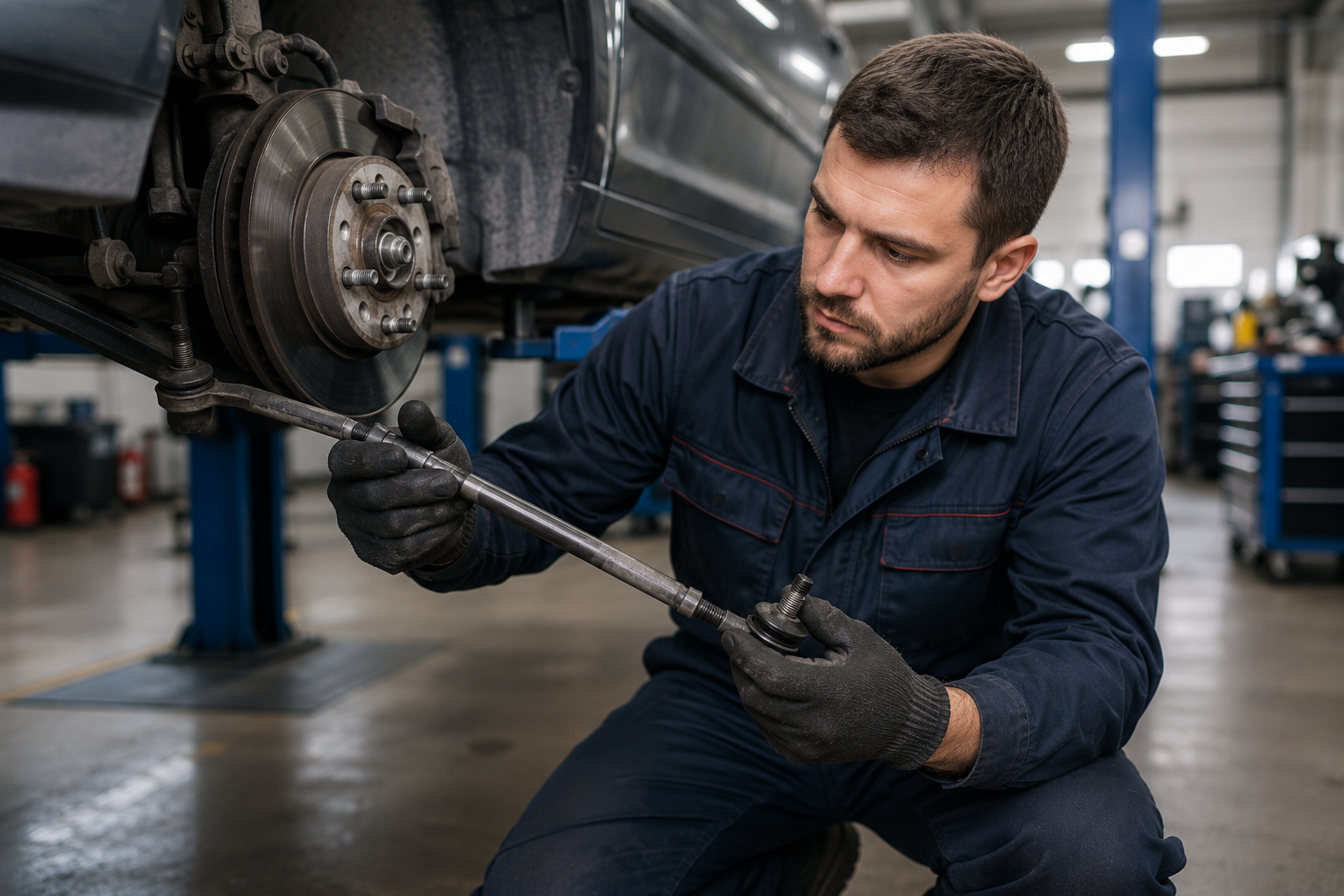
A professional inspection on a vehicle lift is equally important. It allows technicians to assess the condition of the underbody, suspension components, subframe mounting points, and many other parts that cannot be properly examined while the vehicle is parked on the ground.
Why a Professional Inspection Is Worth the Cost
Before paying the seller, you should:
- verify the vehicle history;
- inspect the structural frame and body geometry;
- confirm that all safety systems are functioning correctly;
- perform a complete inspection on a vehicle lift.
The cost of a professional pre purchase inspection is far lower than repairing hidden defects after buying the vehicle. A comprehensive inspection provides an objective assessment of the vehicle’s technical condition, reveals the consequences of poor quality repairs, and allows you to make an informed purchasing decision based on the vehicle’s actual condition rather than its attractive appearance alone.
Top popular news
- Car Heater Blows Cold Air: Causes of Vehicle Heating System Problems
- Interior Car Detailing: What Is Actually Included and How Often Should It Be Done
- Cloudy Headlights: When Polishing Is Enough and When Replacement Is Needed
- How Professionals Determine Whether a Body Panel Needs Full Repainting
- VAG Hidden Feature Activation: What It Is and Which Functions Can Be Unlocked
- LPG System Maintenance Before the Season: What to Check to Avoid Power Loss
- Electric Vehicle Suspension: What Makes It Different?
- Electric Vehicle Maintenance Schedule: What Needs to Be Replaced?

Subscribe to our newsletter!
To stay updated with the latest news
Related services


Book a service