Daily with | 08:00 - 20:00


Find

Contact us

Kyiv
st. Garmatnaya, 3
 Мережа СТО в місті

Kyiv
st. Garmatnaya, 3
 Мережа СТО в місті

 Години роботи
 Daily with
08:00 - 20:00
Automatic Transmission Jerks During Shifting: How to Tell Normal Operation from a Fault
Many drivers start wondering why an automatic transmission jerks during gear changes after noticing the first jolts or harsh shifts while driving. An automatic transmission is valued for its smooth operation, so any change in its behavior naturally raises concerns. However, not every jolt indicates a serious malfunction. Sometimes it is simply a characteristic of a torque converter transmission, while in other cases it is the first sign of a problem that should be addressed before it leads to expensive repairs.
When Jerks Can Be Considered Normal

Not every change in automatic transmission operation indicates a fault. Under certain conditions, the transmission may shift a little more firmly, and this is not necessarily a sign of wear.
This most commonly happens:
- after a cold engine start;
- after a sudden change in driving style;
- after prolonged driving in heavy traffic;
- after transmission adaptation or a software update.
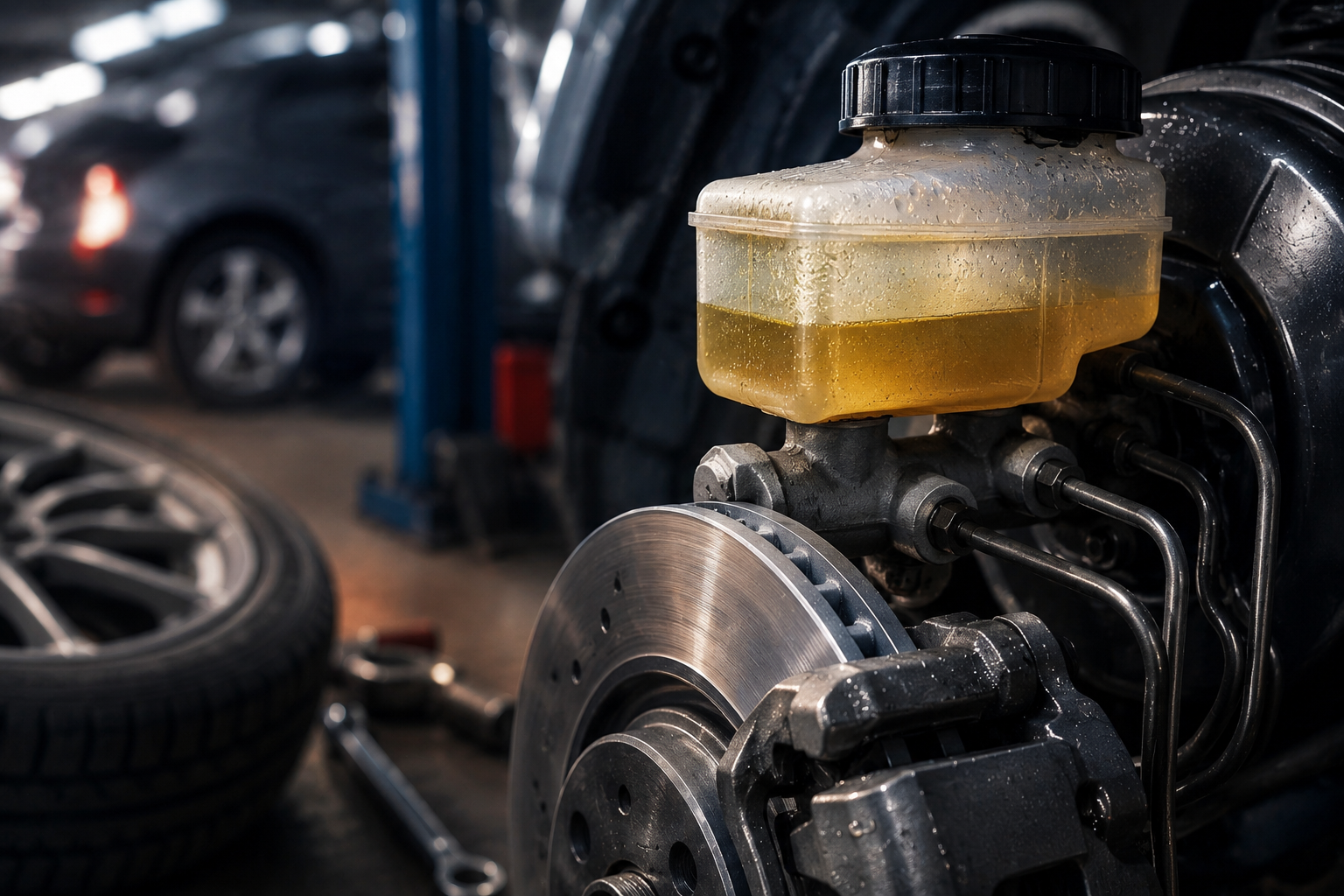
When the engine is started in cold weather, the ATF fluid has higher viscosity. The transmission pump needs more time to build the required hydraulic pressure and fully circulate the fluid through the hydraulic system. As a result, the first few gear changes may feel more noticeable. Once the transmission reaches operating temperature, shifting usually becomes smooth again.
Another characteristic is related to transmission adaptation. The transmission control module analyzes the driver’s behavior and adjusts the gear shift strategy accordingly. For example, after spending a long time in stop-and-go traffic, the vehicle enters a highway. The transmission needs some time to adapt to the new driving conditions, so gear changes may temporarily feel slightly firmer.
Signs That May Indicate a Problem
Some changes in transmission behavior can no longer be explained by normal operating characteristics. Even if no warning lights appear on the dashboard, the following symptoms may indicate the beginning of a transmission problem.
A diagnostic inspection is recommended if you notice:
- repeated harsh shifts between gears;
- slipping between gear changes accompanied by sudden engine revving;
- a strong jolt when engaging Drive or Reverse;
- vibrations during acceleration;
- delayed transmission response after pressing the accelerator pedal.
Particular attention should be paid if the transmission jerks after warming up. If the jolts become stronger once the transmission reaches operating temperature, the issue is no longer related to cold ATF fluid. Possible causes include transmission overheating, insufficient hydraulic pressure, or internal component wear.
Main Causes of Automatic Transmission Jerks
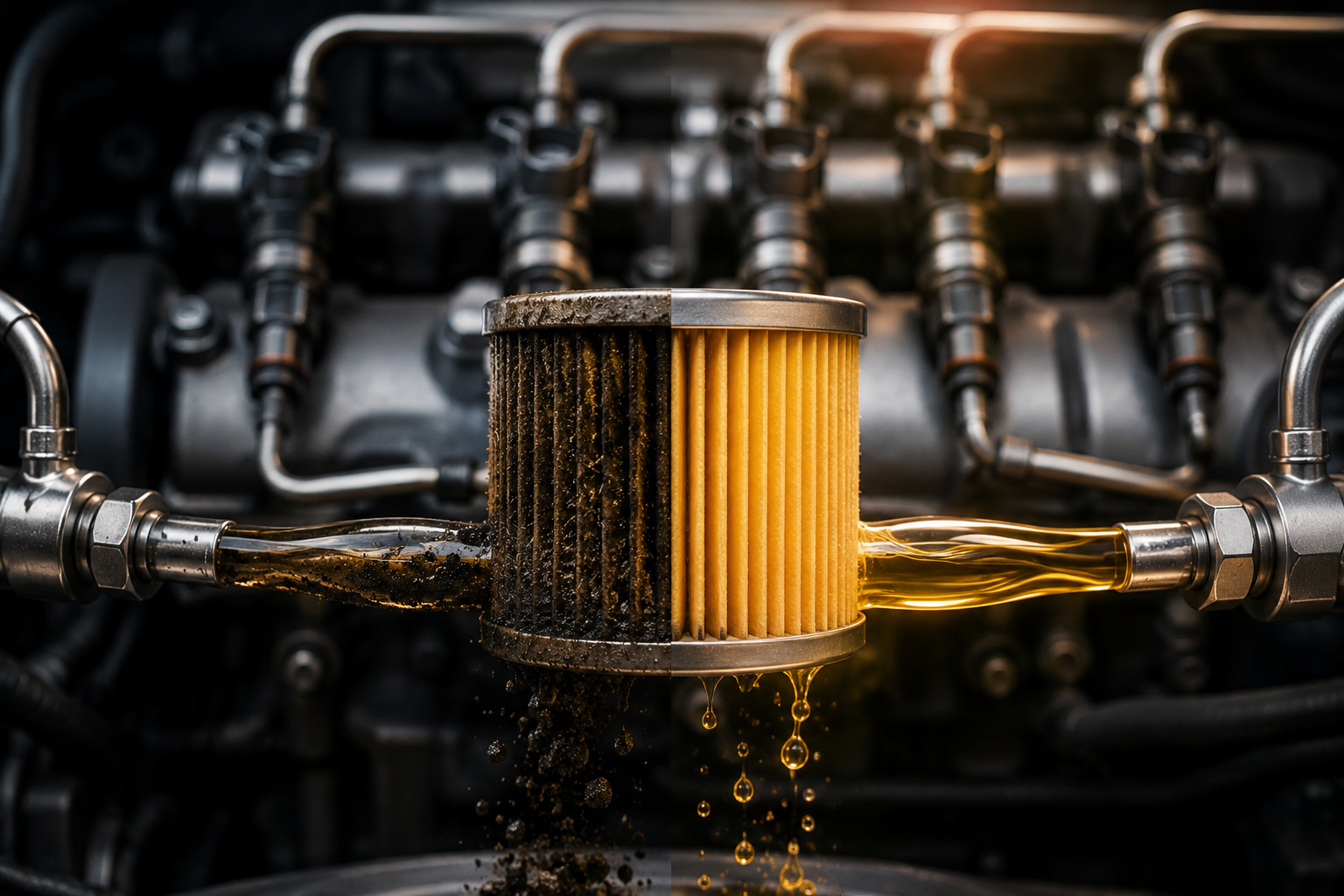
Automatic transmission jerks can have several causes, but in most cases the problem begins with the condition of the transmission fluid. Over time, ATF loses its friction properties and becomes contaminated with wear particles and metal debris. If the transmission filter also becomes clogged, fluid circulation deteriorates, certain components experience lubrication starvation, and gear shifts become noticeably harsher. That is why regular automatic transmission fluid replacement is an important maintenance procedure that helps extend transmission life.
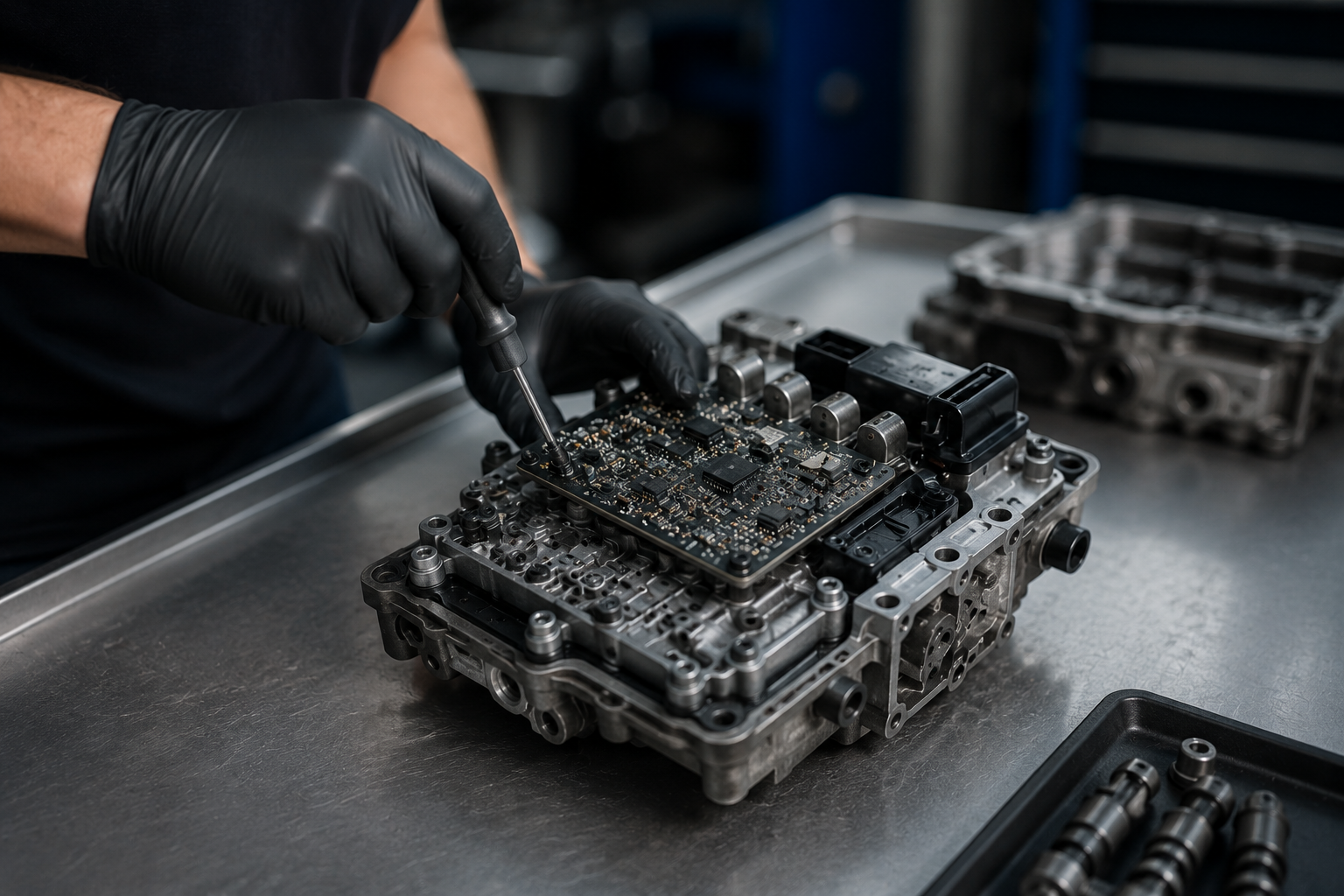
Another common cause involves the valve body. This component directs hydraulic fluid through the transmission and controls gear changes. Inside the valve body are solenoids – electromagnetic valves that are highly sensitive to contamination. When deposits accumulate inside the hydraulic passages, the solenoids respond more slowly, causing delayed or harsh gear engagement.
Vehicles with higher mileage may also experience mechanical wear. Over time, friction clutch discs wear out, while the torque converter gradually loses efficiency. The main signs of a failing torque converter include:
- jerking during smooth acceleration;
- unusual noises or vibrations;
- delayed vehicle response when pressing the accelerator pedal;
- unstable transmission operation under load;
- transmission overheating without an obvious reason.
Why You Should Not Wait Until the Problem Gets Worse
Early transmission problems are often barely noticeable. At first, the driver feels only slight jerks, then gear changes become delayed, and eventually gear slipping begins. Continuing to drive without proper diagnosis increases the load on the valve body, clutch packs, and other transmission components.
At an early stage, the issue can often be resolved without major repairs. Depending on the inspection results, the required service may include:
- replacing the ATF fluid;
- cleaning or repairing the valve body;
- testing or replacing faulty solenoids;
- performing transmission adaptation after repairs.
These procedures are usually much less expensive than a complete automatic transmission overhaul.
Preventive Maintenance Is Always More Cost-Effective Than Repairs
Replacing ATF approximately every 50,000-60,000 kilometers helps maintain proper hydraulic pressure, reduces the risk of transmission overheating, and extends the service life of critical transmission components.
During diagnostics at Auto Master Service Center, technicians typically inspect:
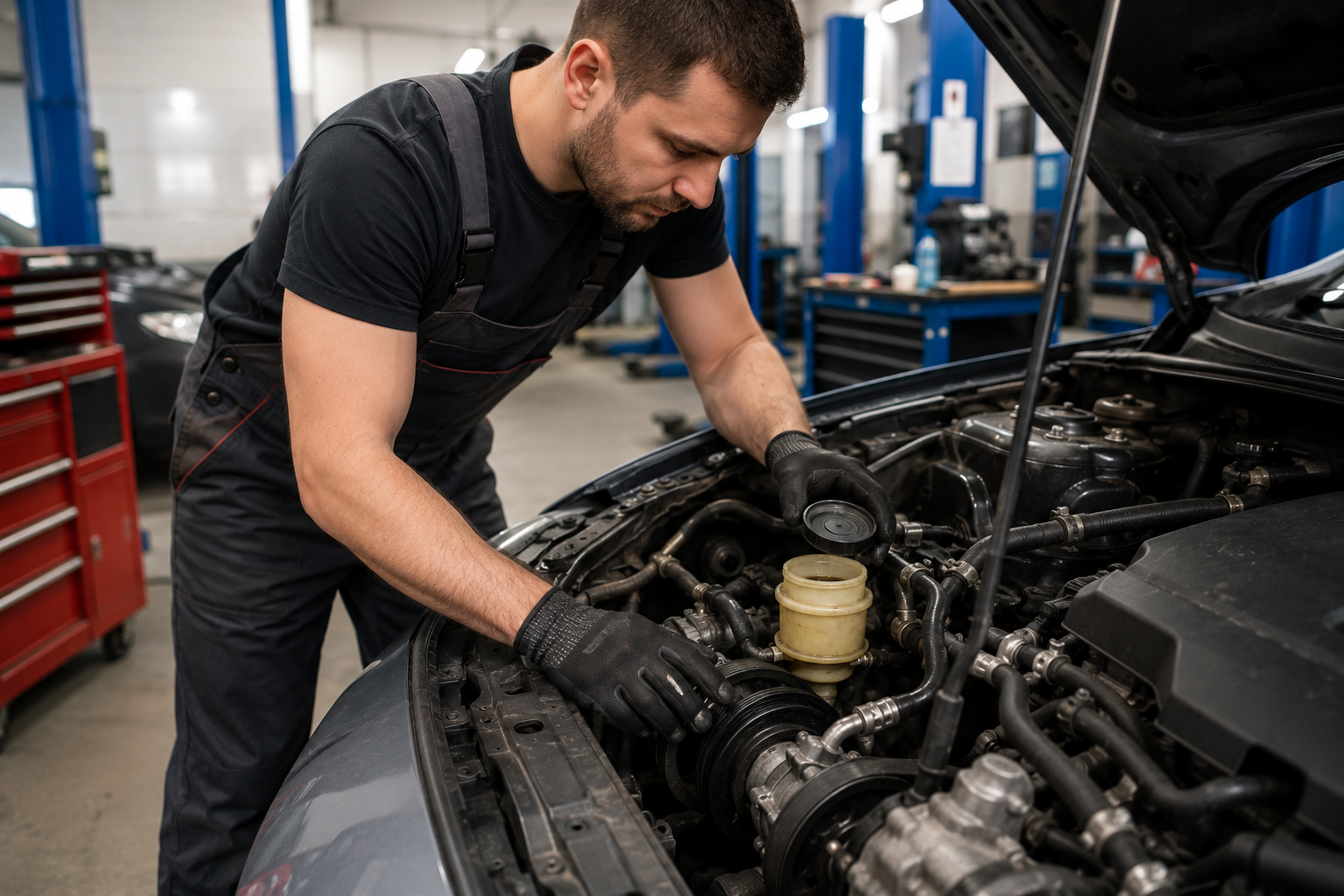
- transmission fluid level and condition;
- diagnostic trouble codes stored in the control module;
- hydraulic system pressure;
- solenoid operation;
- valve body condition;
- torque converter performance.
A comprehensive inspection makes it possible to identify the actual cause of the malfunction and choose the most effective repair solution. If repairs are required after the diagnosis, the final cost will depend on the level of component wear, the amount of work involved, and whether individual transmission parts need to be replaced. That is why the cost of automatic transmission repair in Kyiv can only be determined after a complete transmission diagnosis rather than based solely on jerks or harsh gear shifts.
Top popular news
- Car Heater Blows Cold Air: Causes of Vehicle Heating System Problems
- Interior Car Detailing: What Is Actually Included and How Often Should It Be Done
- Cloudy Headlights: When Polishing Is Enough and When Replacement Is Needed
- How Professionals Determine Whether a Body Panel Needs Full Repainting
- VAG Hidden Feature Activation: What It Is and Which Functions Can Be Unlocked
- What to Check When Inspecting a Car Imported from the USA Before Buying
- LPG System Maintenance Before the Season: What to Check to Avoid Power Loss
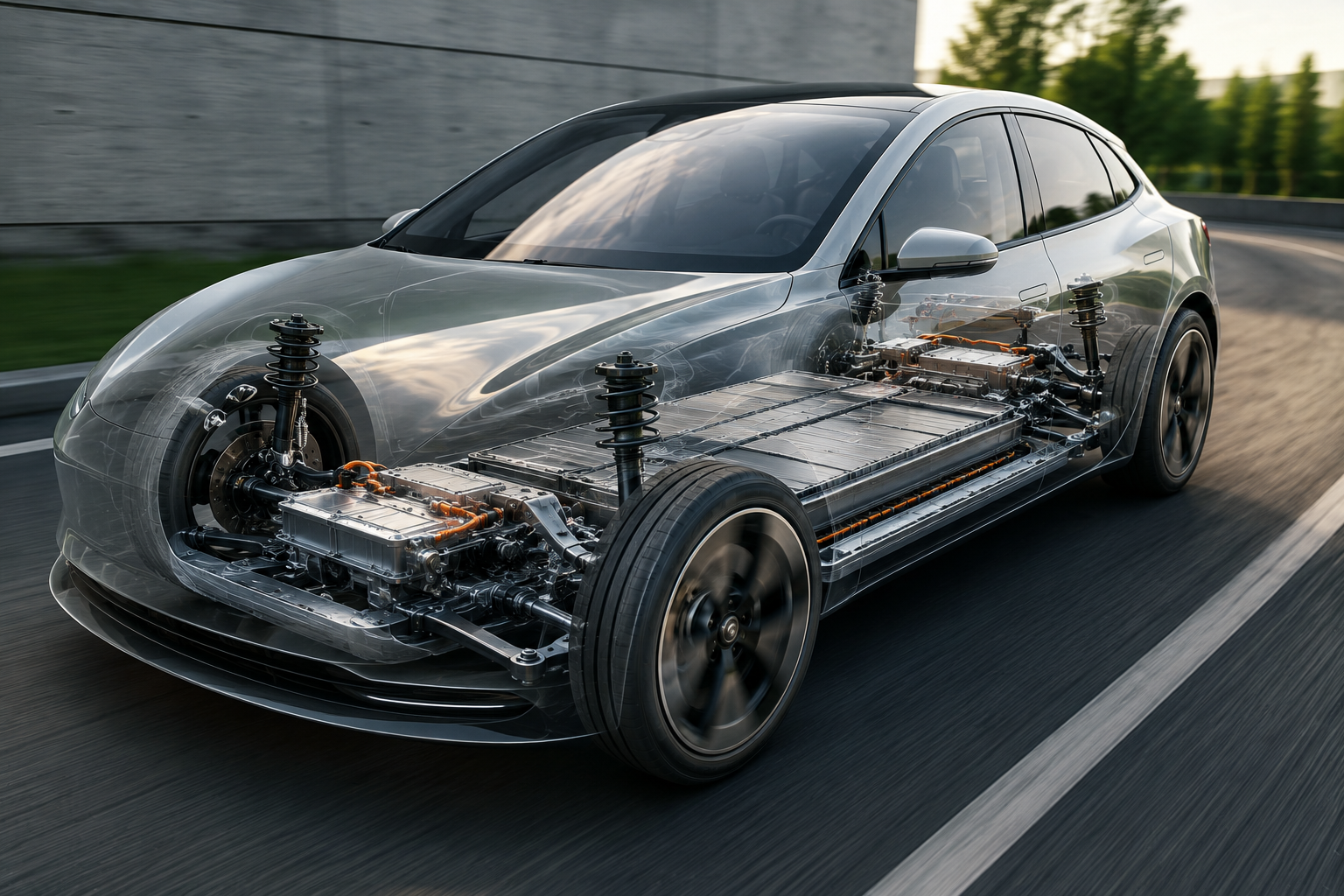
- Electric Vehicle Suspension: What Makes It Different?

Subscribe to our newsletter!
To stay updated with the latest news
Related services


Book a service