Daily with | 08:00 - 20:00


Find

Contact us

Kyiv
st. Garmatnaya, 3
 Мережа СТО в місті

Kyiv
st. Garmatnaya, 3
 Мережа СТО в місті

 Години роботи
 Daily with
08:00 - 20:00
Ceramic body coating: real capabilities without marketing myths
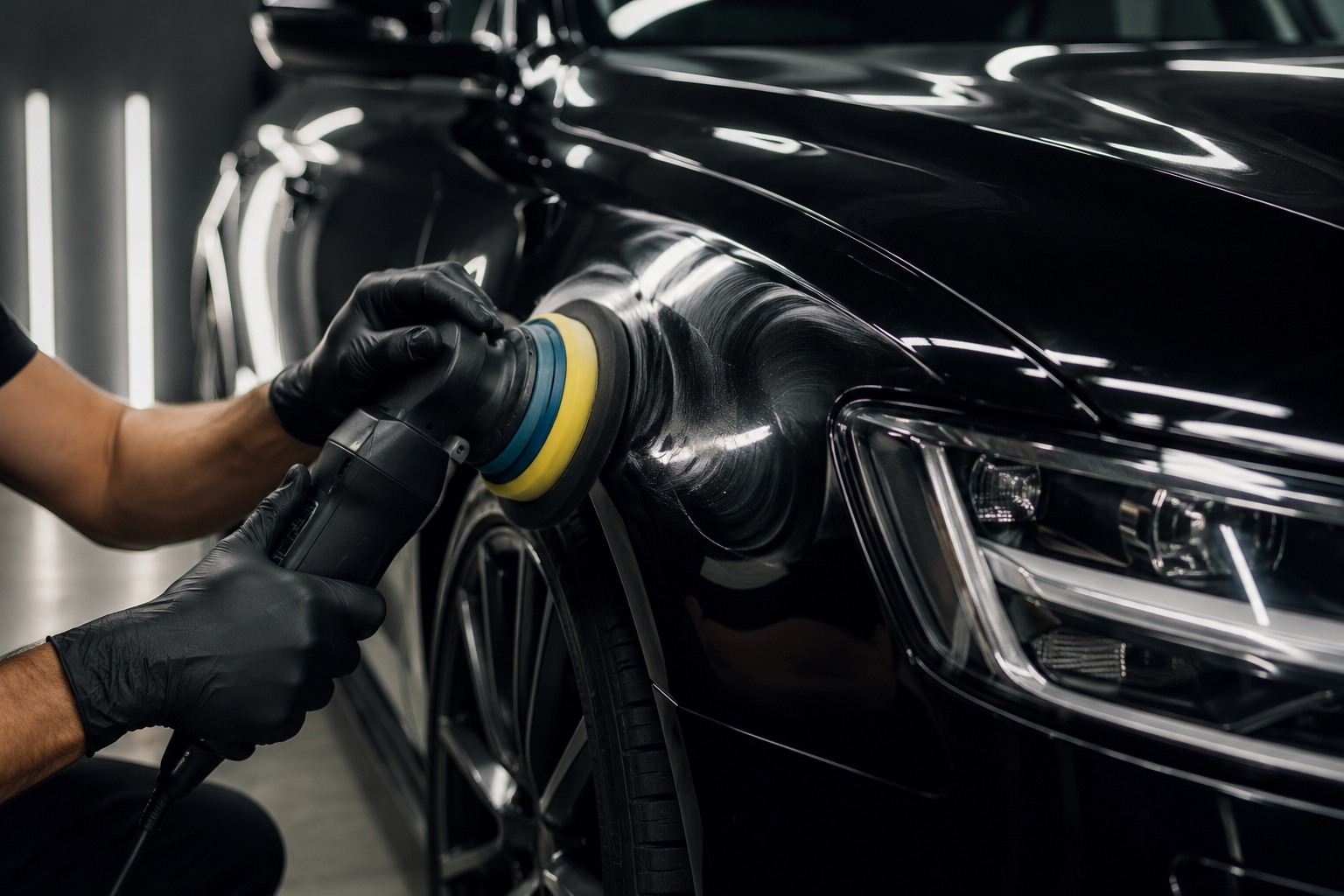
Advertising often promises “body armour,” a lifetime shine, and complete protection from scratches. Such claims lead many vehicle owners to expect an effect that no modern material can actually provide. In reality, a ceramic coating works differently. Its purpose is to create a thin surface layer that helps preserve the paintwork for longer, makes the vehicle easier to maintain, and reduces the impact of external factors.
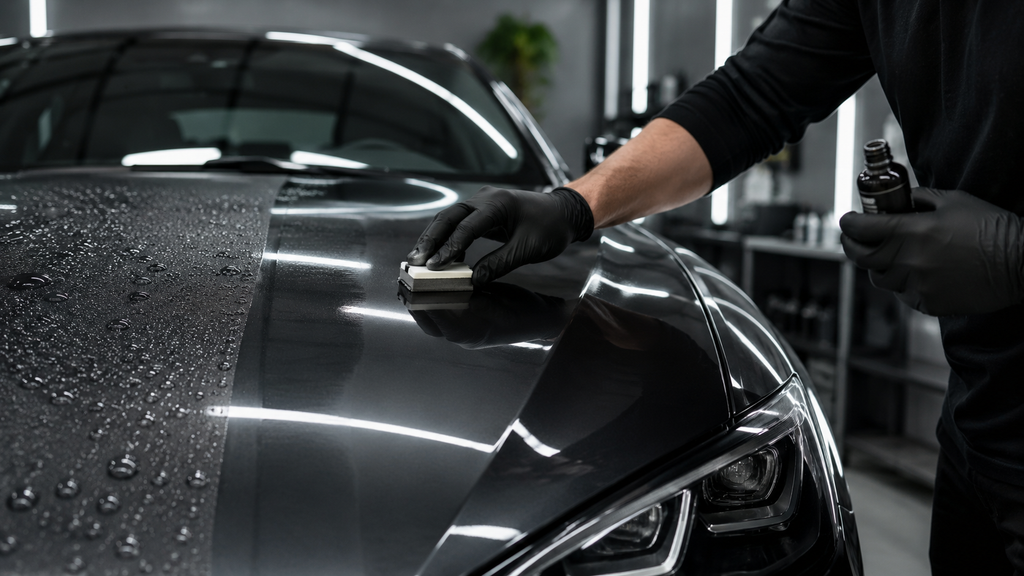
How a ceramic coating works
Most modern products are based on SiO₂ compounds. After polymerization, they form a thin but durable layer that bonds with the paintwork at a molecular level. Its thickness is only a few microns, so it cannot function as true armour protection.
Once cured, the material gains properties that help to:
- improve the UV resistance of the paintwork;
- create a pronounced hydrophobic effect;
- increase the surface contact angle;
- make road contamination easier to remove;
- reduce the effect of aggressive car-care chemicals.
Because the contact angle increases, water quickly beads up and leaves the body surface more easily. This does not mean the vehicle cleans itself without washing. Dirt simply adheres less strongly to the paintwork, making maintenance easier.
Which ceramic-coating benefits are realistic
A ceramic layer offers good resistance to ultraviolet radiation, road chemicals, organic contamination, and most household cleaning agents. This helps the clear coat retain its gloss for longer and lose colour saturation more slowly.
At the same time, the applied material cannot protect the body from stone impacts, deep mechanical damage, the consequences of road accidents, or aggressive polishing. Claims of this kind are marketing exaggerations.
Vehicle owners often ask how long ceramic coating lasts on the body. There is no universal answer. Service life depends on operating conditions, washing frequency, the car-care chemicals used, and the quality of the preparation work before application.
Wax, liquid glass, or ceramic coating: different principles of protection
Comparing these materials only by shine is misleading. They differ not only in composition, but also in durability and resistance to external influences.
Wax creates a thin protective film that improves the vehicle’s appearance but gradually loses its properties after several washes. Liquid glass forms a stronger surface layer, but in terms of service life and environmental resistance it usually falls short of modern ceramic coatings.
Many vehicle owners ask how ceramic coating differs from wax. The main difference is not limited to service life. Ceramic coating withstands UV exposure, road chemicals, and regular washing better, while a wax layer must be renewed much more frequently.
Vehicle owners also often compare liquid glass or ceramic coating: which is better. There is no single answer. The choice depends on budget, vehicle operating conditions, and the expected service life of the protective layer.
When choosing ceramic coating for a vehicle in Kyiv, owners are often interested in the price of the service. It is affected by the condition of the paintwork, the number of layers, the amount of preparation required, and the complexity of application.
Without proper preparation, an expensive coating will not deliver the expected result
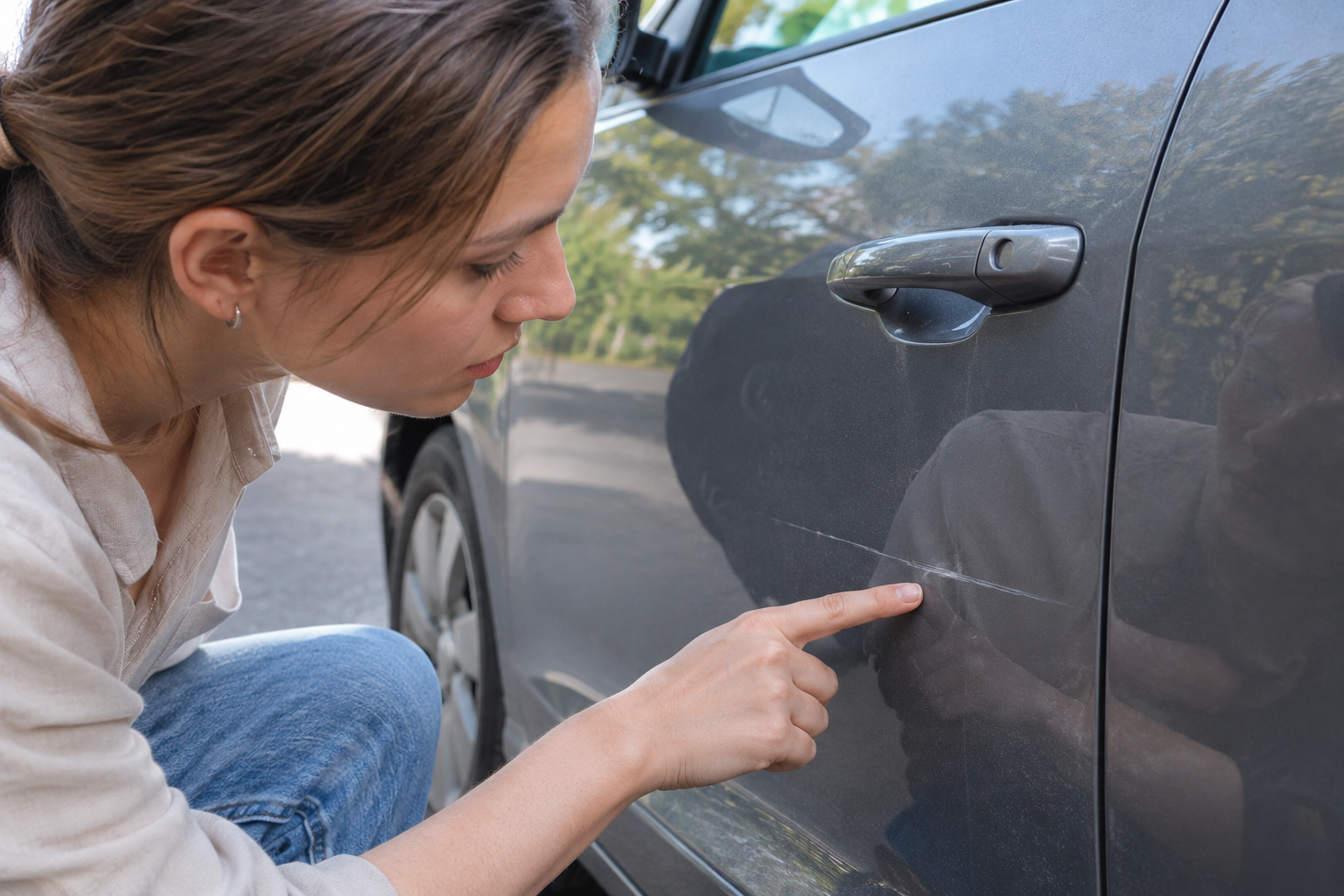
Applying ceramic coating does not hide scratches, scuffs, or oxidation marks. All defects will remain visible even after the work is completed.
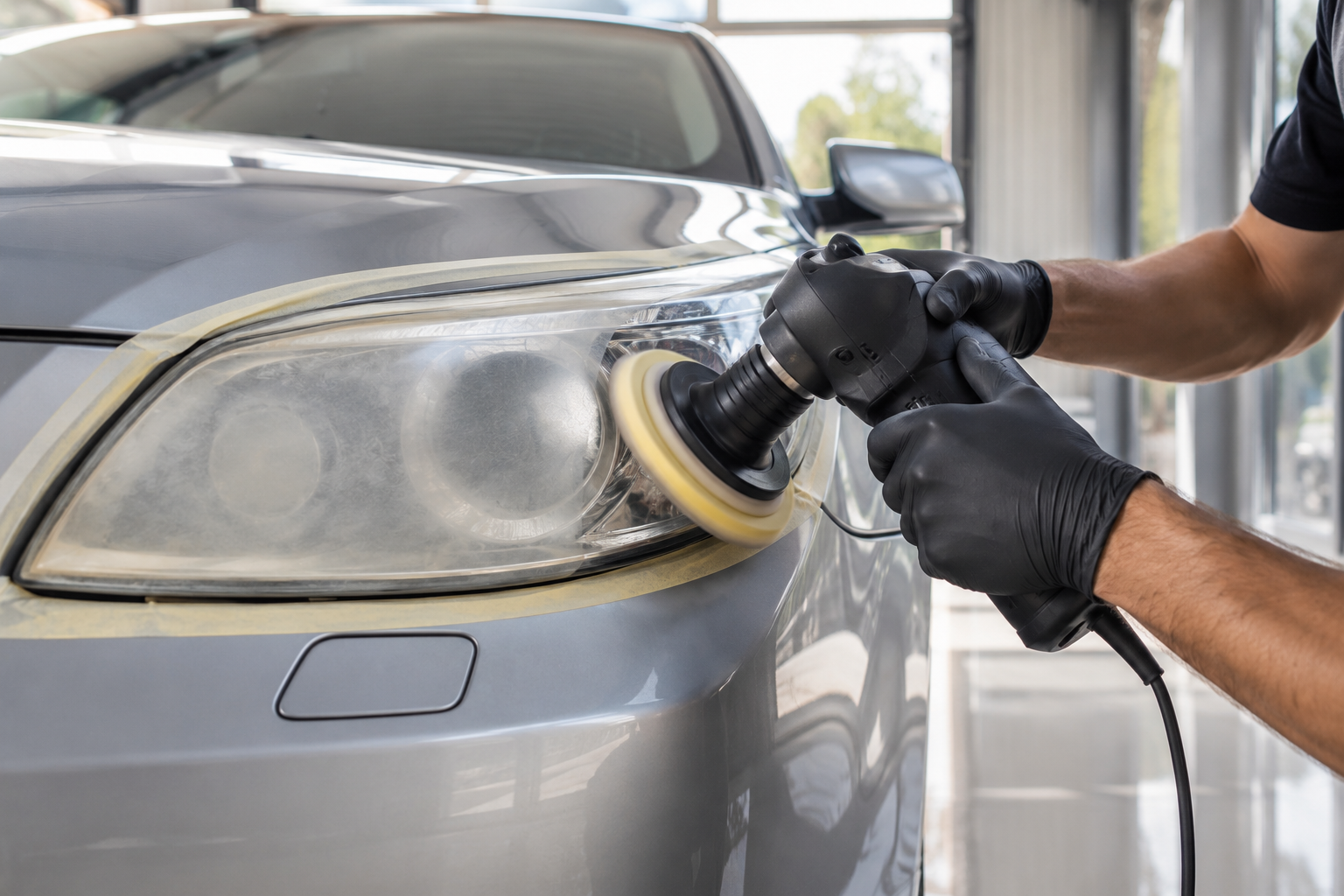
This is why body preparation before ceramic coating includes surface cleaning, decontamination, degreasing, and, where necessary, polishing before application. A new vehicle is not always ready for the procedure either. Transport contamination, residues of protective compounds, or small defects may remain on the body and become visible only after a careful inspection.
Even the most expensive product cannot compensate for mistakes made during preparation. Adhesion, application uniformity, and the service life of the finished layer all depend directly on the condition of the surface.
How to preserve the properties of ceramic coating for longer
Correct vehicle care after ceramic coating is just as important as proper application. Aggressive alkaline products, hard brushes, and incorrect washing techniques gradually reduce hydrophobic performance.
A common situation is that several months after application, water no longer forms large beads as easily as before. In most cases, this is not caused by failure of the ceramic layer, but by unsuitable car-care chemicals or regular use of automatic car washes with hard brushes.
The durability of the protection depends on more than the selected product. Proper body preparation, correct application, and appropriate maintenance during use have a much greater impact on the final result than bold advertising promises.
Top popular news
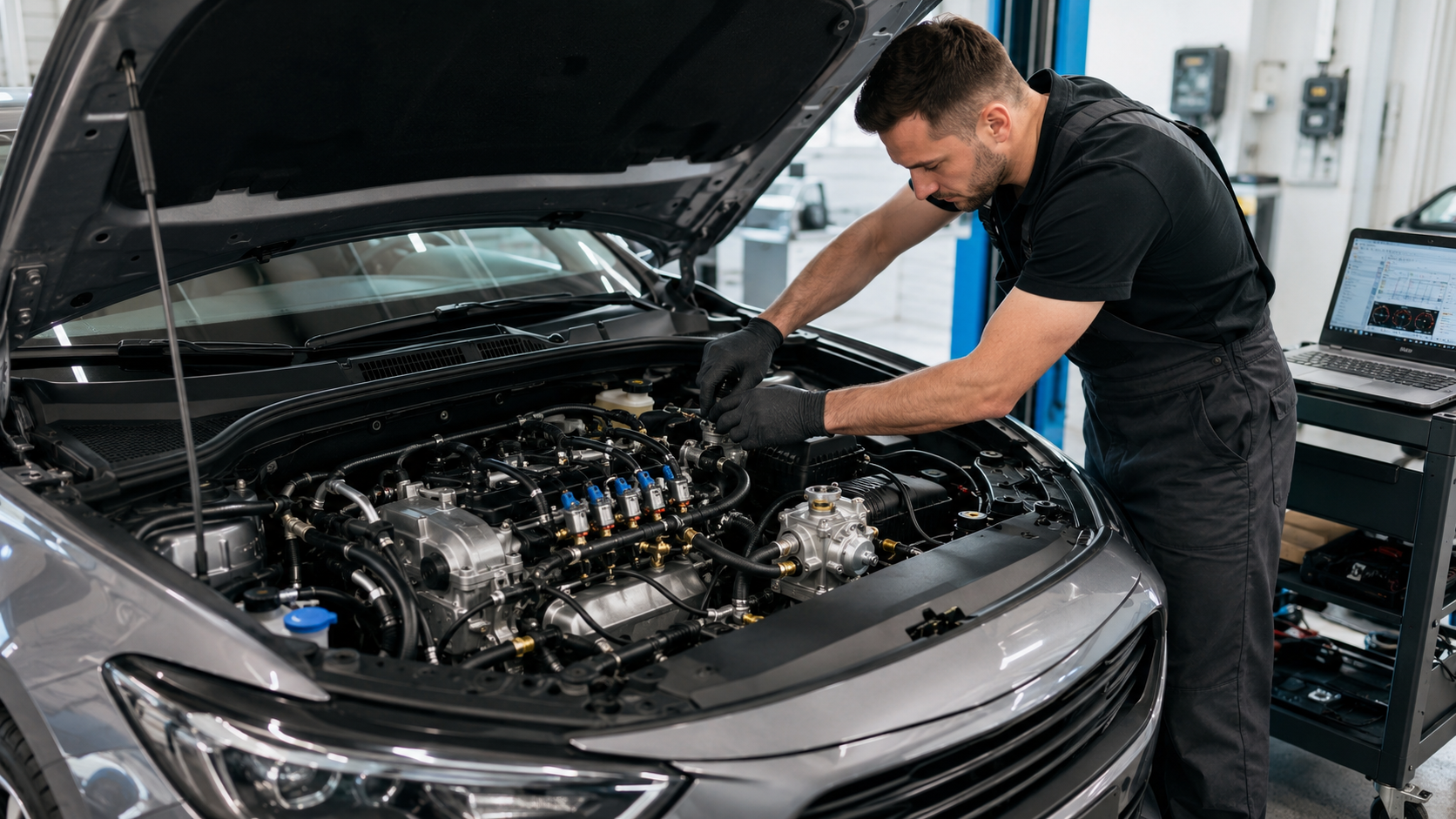
- Installing LPG on a new car: not every engine works equally well on gas
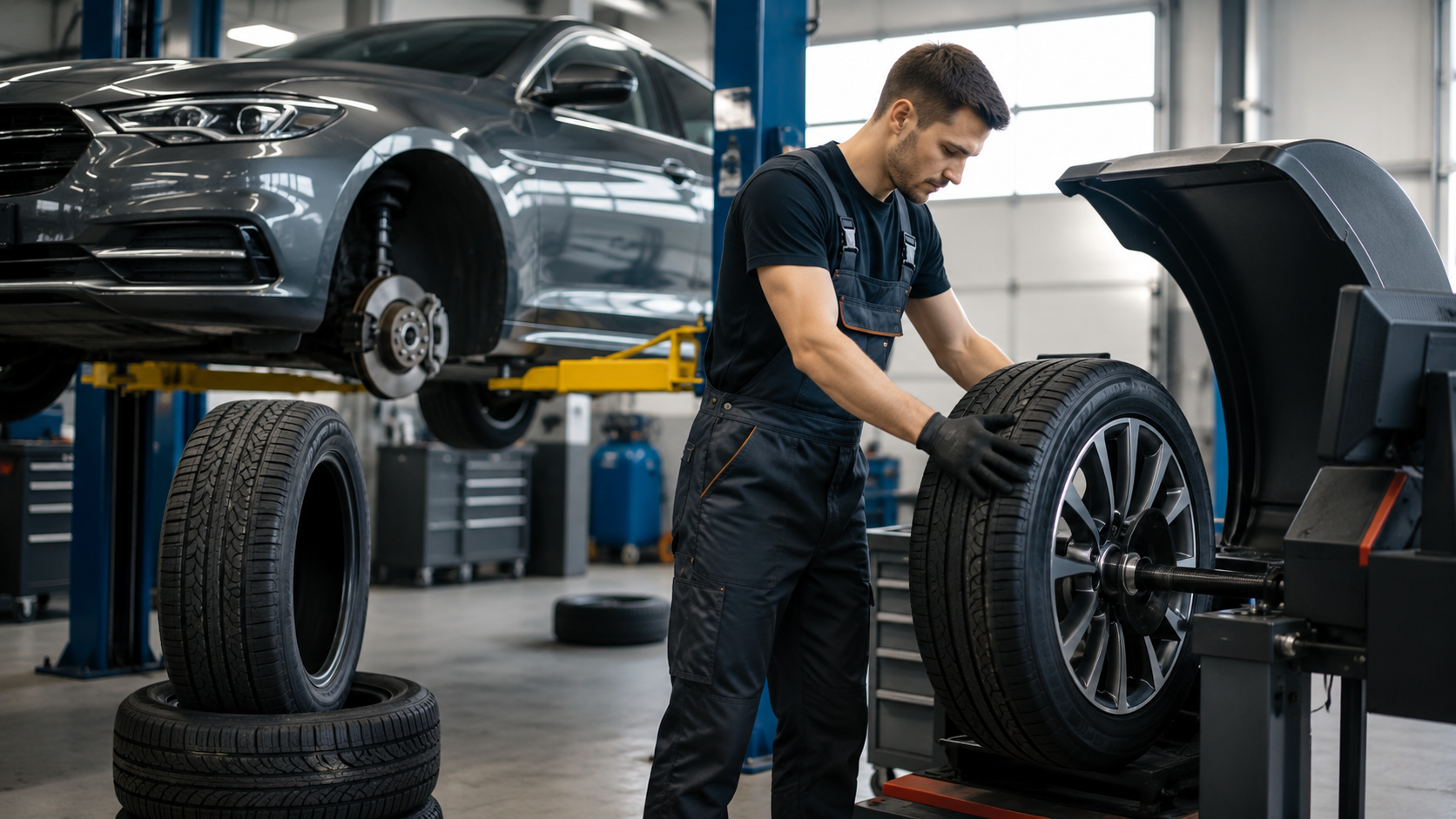
- Seasonal tyre changes: more than simply swapping wheels
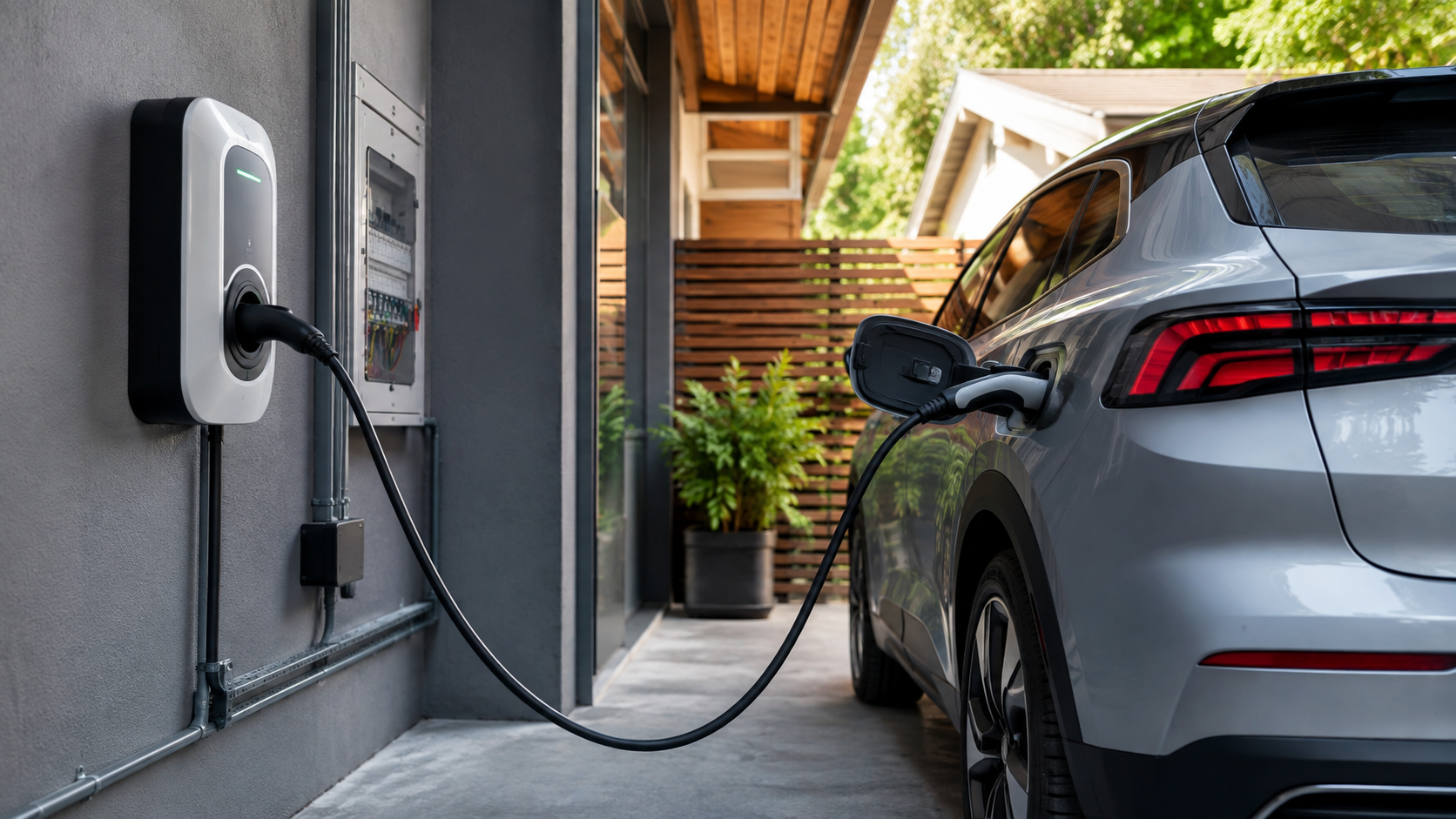
- Charging an electric car at home: requirements to consider before buying
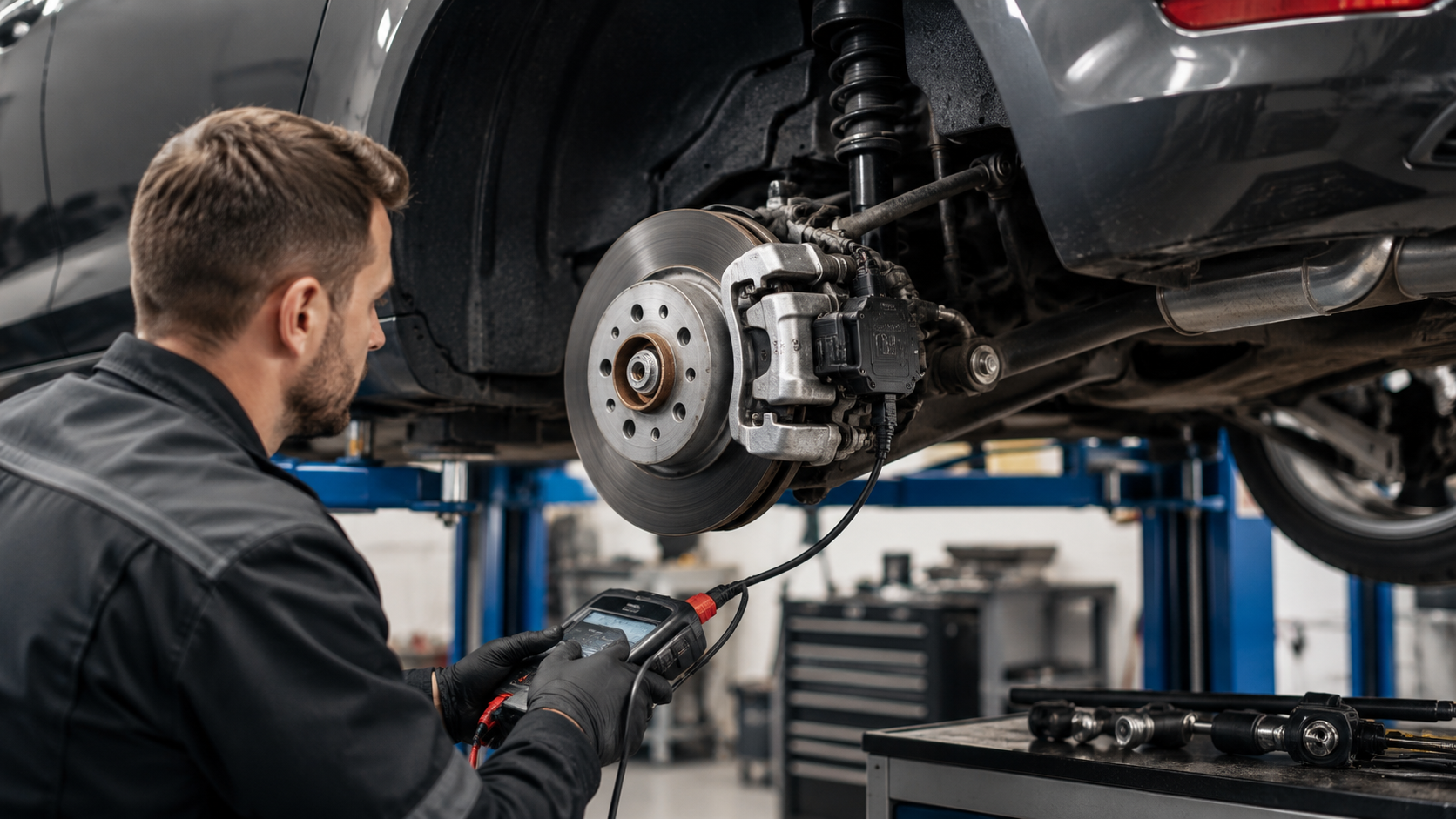
- Electronic parking brake will not release: what to do when the vehicle is stuck
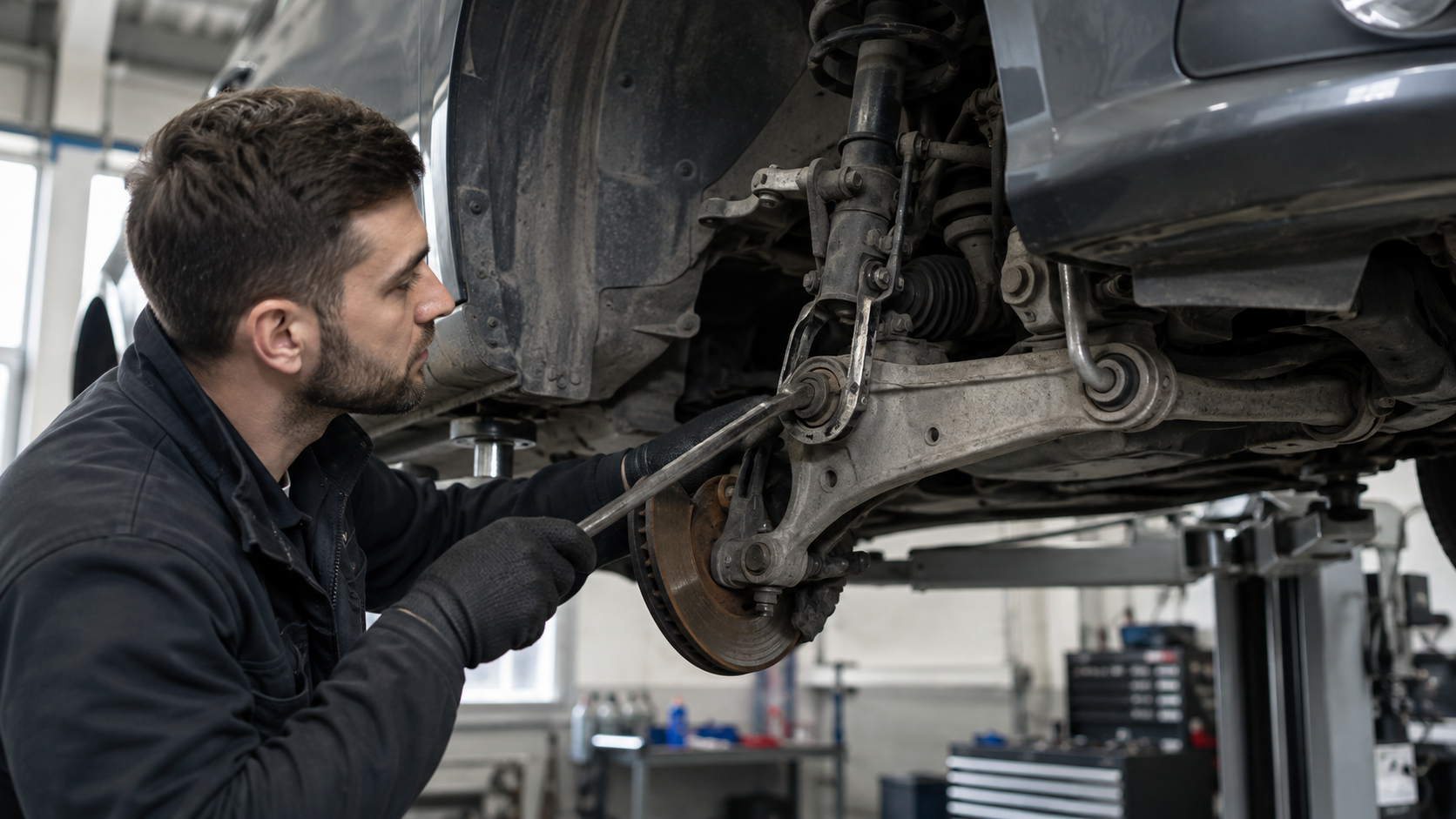
- Signs of control-arm bushing knock that are easy to confuse with other suspension faults
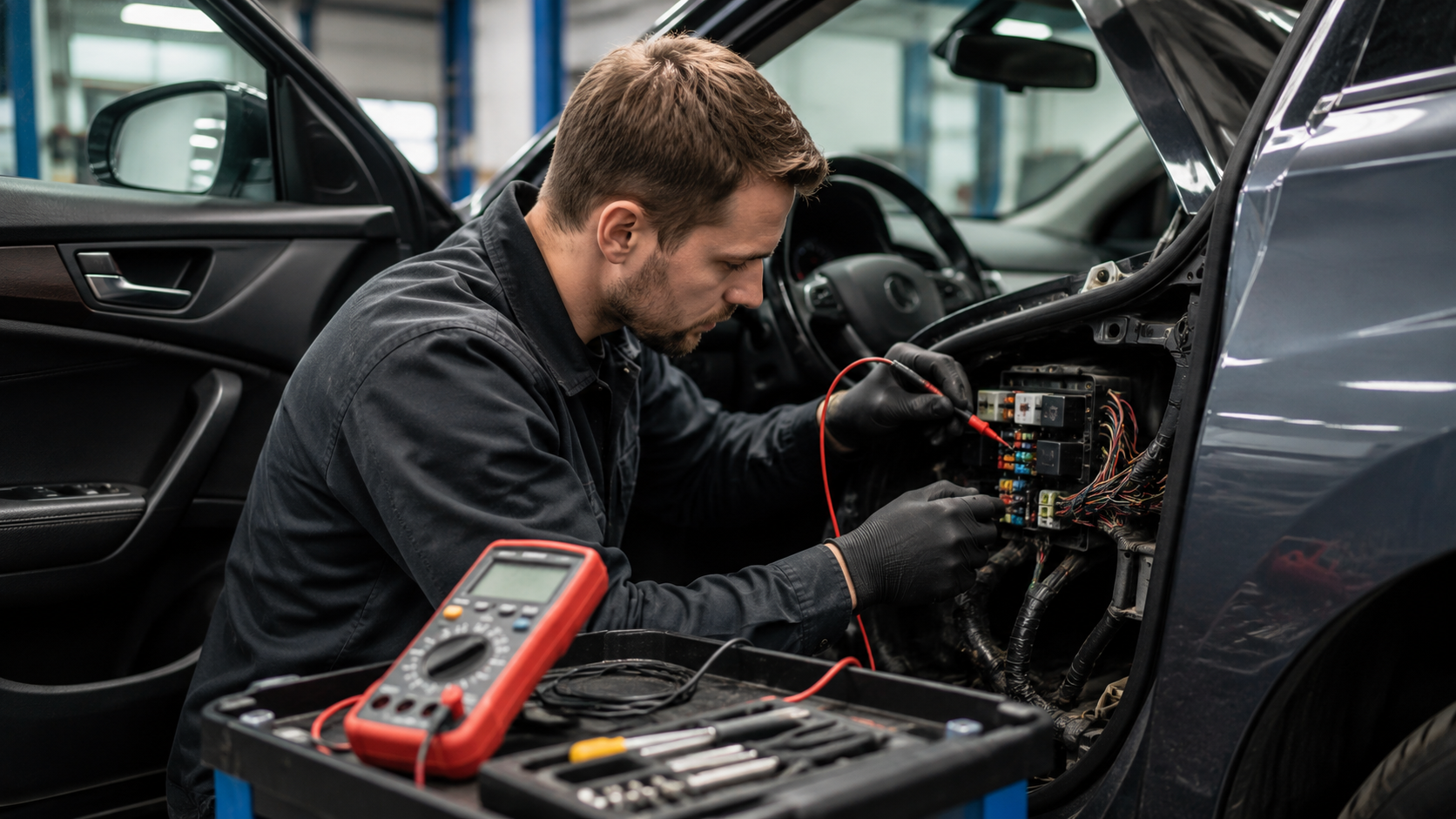
- Finding a short circuit in vehicle wiring without dismantling half the car
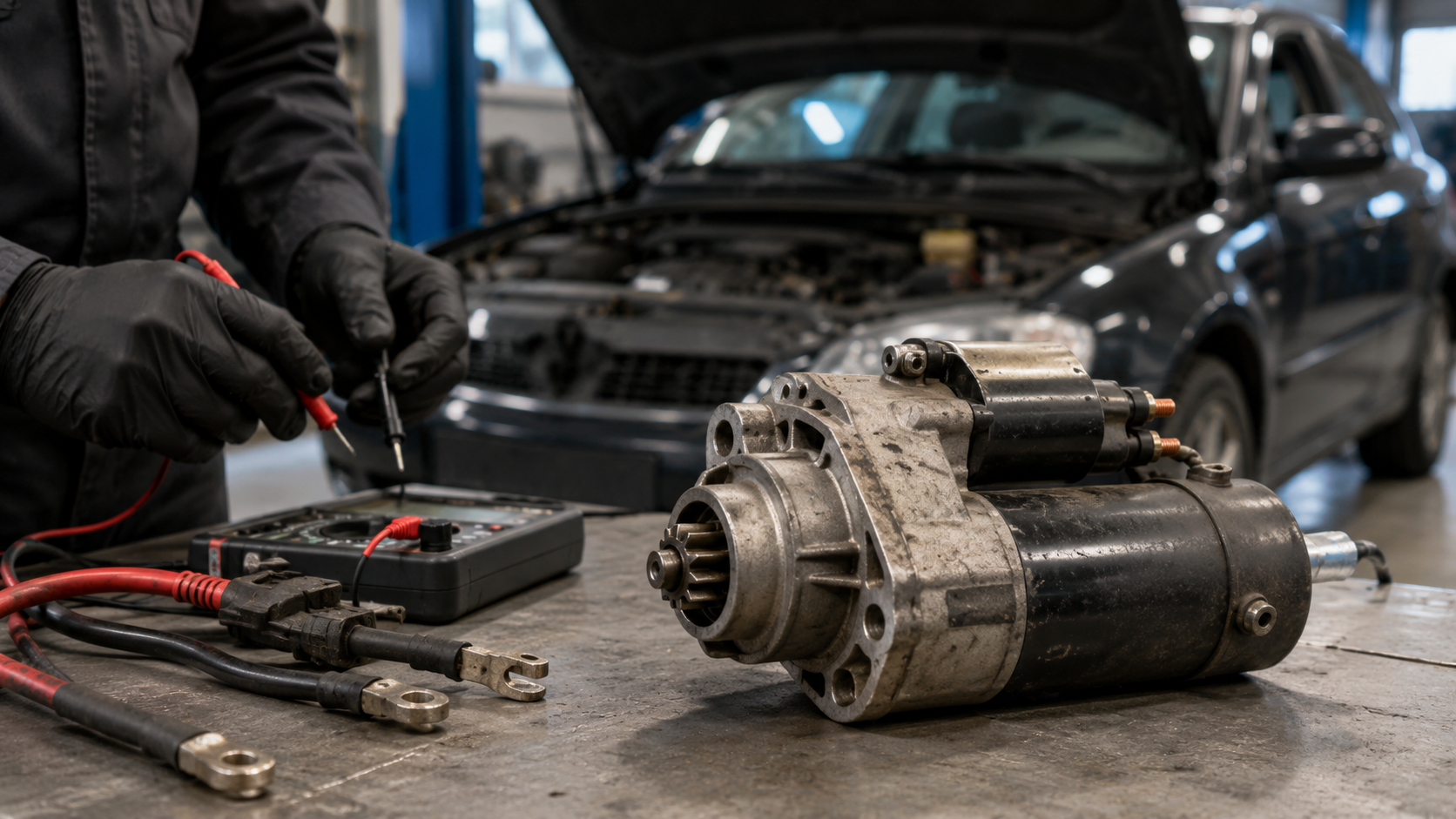
- Starter does not crank the engine: causes you can identify before visiting a workshop
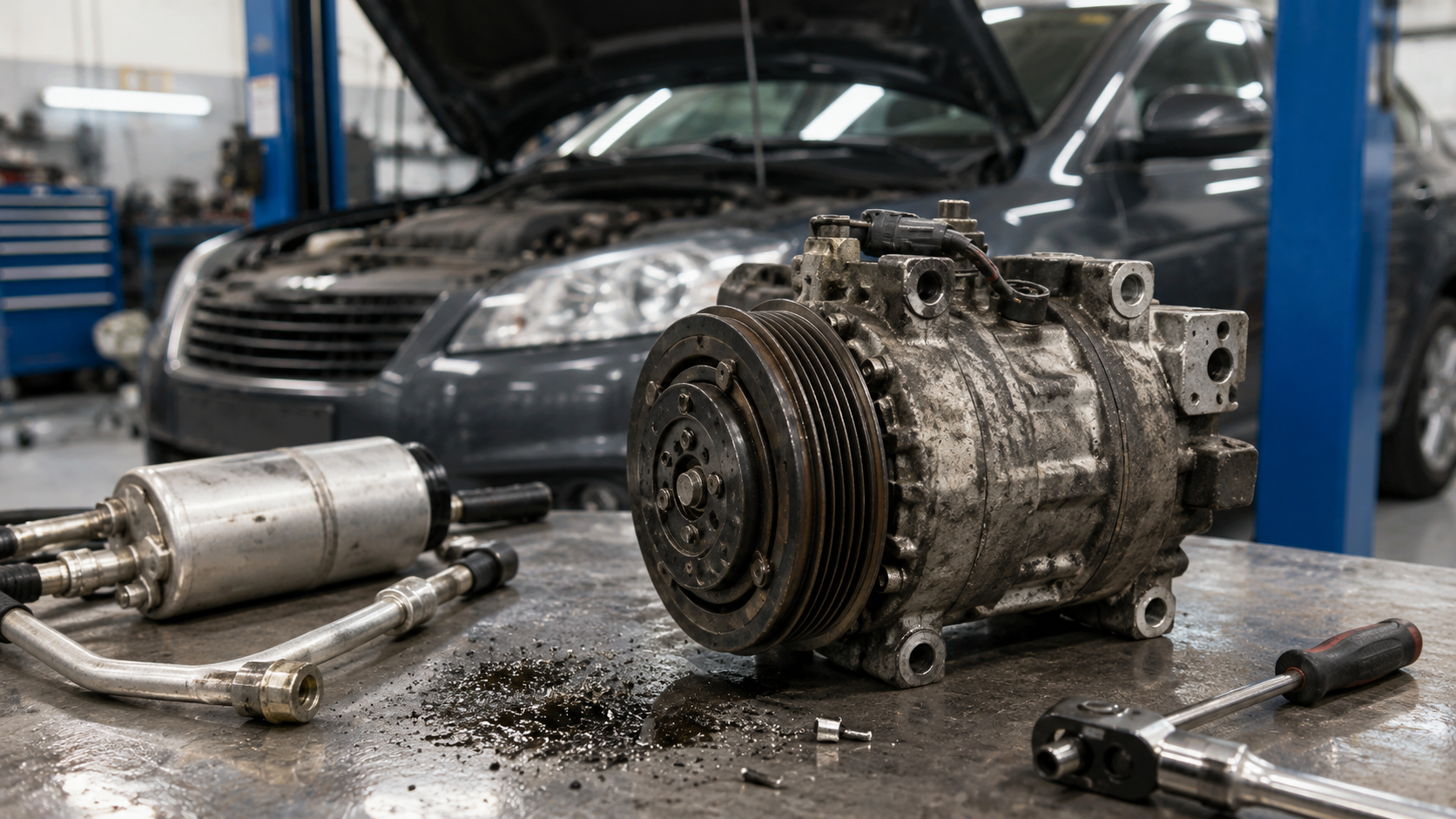
- A/C compressor seizure: warning signs that should not be ignored

Subscribe to our newsletter!
To stay updated with the latest news
Related services


Book a service