Daily with | 08:00 - 20:00


Find

Contact us

Kyiv
st. Garmatnaya, 3
 Мережа СТО в місті

Kyiv
st. Garmatnaya, 3
 Мережа СТО в місті

 Години роботи
 Daily with
08:00 - 20:00
Installing LPG on a new car: not every engine works equally well on gas
The desire to reduce fuel costs often encourages owners of new cars to install LPG equipment. However, modern petrol engines differ significantly from one another, so there is no universal solution. The answer to the question whether LPG can be installed on a direct-injection engine depends on the fuel-system design, the characteristics of the specific engine, and the capabilities of modern equipment.
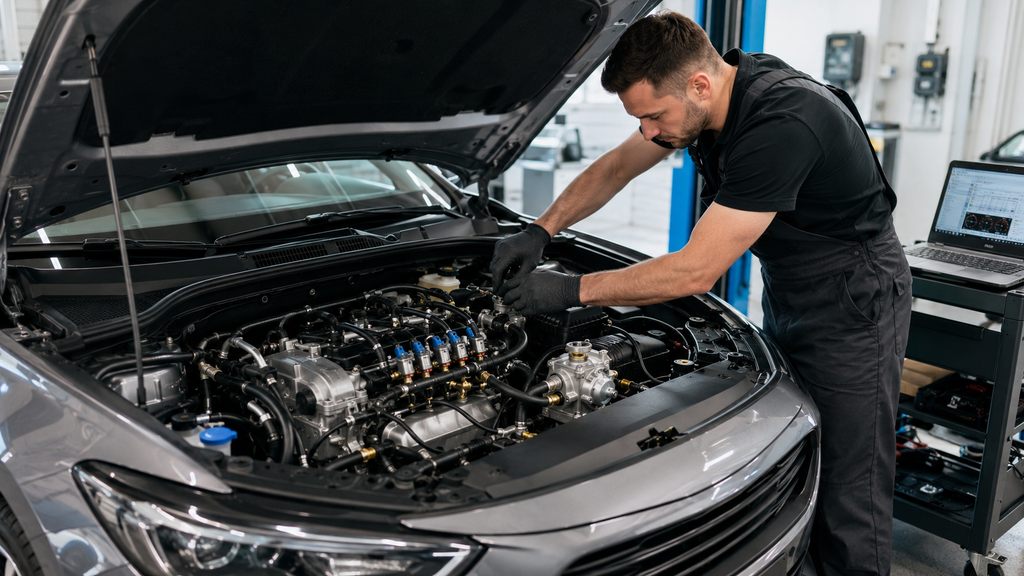
Injection type determines LPG compatibility
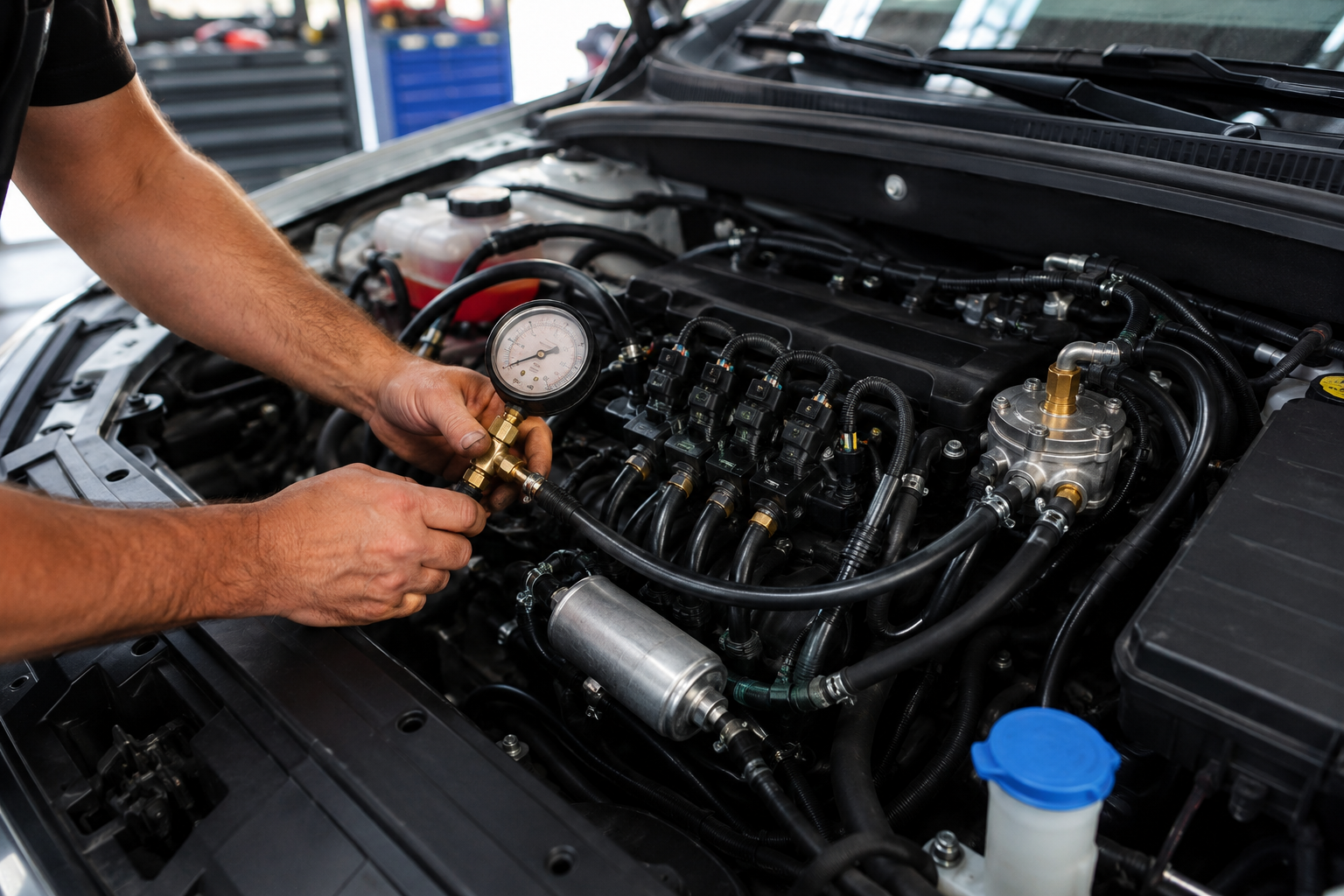
Naturally aspirated engines with port fuel injection traditionally remain the easiest to convert. For these power units, the technology for installing gas injectors and a vaporizer-reducer is well established, and there is a wide range of compatible LPG kits.
The main advantages of these engines are:
- a simpler fuel-system design;
- a wide choice of compatible LPG kits;
- less complex installation and calibration;
- predictable service life after conversion;
- lower future maintenance costs.
The situation is different with engines using direct injection (GDI, TSI, TFSI). Fuel is delivered directly into the combustion chamber at high pressure, so the operating principle of the fuel system differs substantially.
Because of this design, vehicle owners often ask which engines are compatible with fourth-generation LPG systems. Naturally aspirated engines with port injection usually offer the best compatibility. Modern direct-injection engines use different operating strategies, while some models have significant technical limitations.
GDI, TSI, and TFSI engines operate on different principles
Unlike conventional petrol engines, direct-injection systems place much higher demands on LPG calibration and operating conditions.
Their design characteristics include:
- fuel is injected directly into the combustion chamber;
- high-pressure fuel pumps are used;
- gas injectors operate together with the petrol system;
- the electronics continuously monitor the fuel mixture;
- certain operating modes require periodic petrol injection.
In a petrol engine, fuel is involved not only in combustion. It also influences the temperature of certain components and contributes to fuel-based valve lubrication.
After switching to propane-butane, operating conditions change. For direct-injection vehicles, valve cooling when running on gas remains one of the most important considerations because the thermal load on valve-train components increases.
Particular attention is paid to the condition of the valve seats. Their service life depends on engine design, correct calibration of the LPG system, operating conditions, and the proportion of petrol that modern systems periodically use even while the engine is running on gas.
The valve train is subjected to the greatest load
For direct-injection engines, the main risk is increased thermal load on valve-train components. During long-term operation, valve seats may wear faster than in engines with port fuel injection.
Valve-train service life is affected by:
- cylinder-head design;
- valve-seat material;
- the accuracy of LPG-system calibration;
- driving style;
- the proportion of petrol used while running on gas.
This is why vehicle owners often ask about the effects of LPG on GDI engines. These engines should not all be assessed in the same way. Even units from the same manufacturer may have different designs and different safety margins.
Another relevant question is what risks LPG installation poses for a turbocharged engine. Turbocharging increases temperature and load, so any installation or calibration errors become apparent much more quickly.
A common situation is that after installing LPG, the owner expects the vehicle to run exclusively on propane-butane. In reality, many modern systems periodically switch to petrol. This strategy is built into the equipment by the manufacturer and helps maintain an optimal temperature regime for certain components.
How LPG-system manufacturers reduce thermal load
Modern systems use several technical solutions that help keep engine operation more stable.
The most common are:
- periodic petrol injection;
- more precise gas metering through the gas injectors;
- individual calibration of the electronic control unit;
- additional valve-train protection systems;
- optimization of the fuel mixture according to engine load.
These solutions do not eliminate the engine’s design characteristics, but they help reduce thermal load when the equipment is calibrated correctly.
When planning an LPG installation on a new car in Kyiv, most owners compare the price of the conversion. The final cost depends on engine design, system specification, installation complexity, the need for additional components, and the time required for precise calibration.
What to consider before buying the car
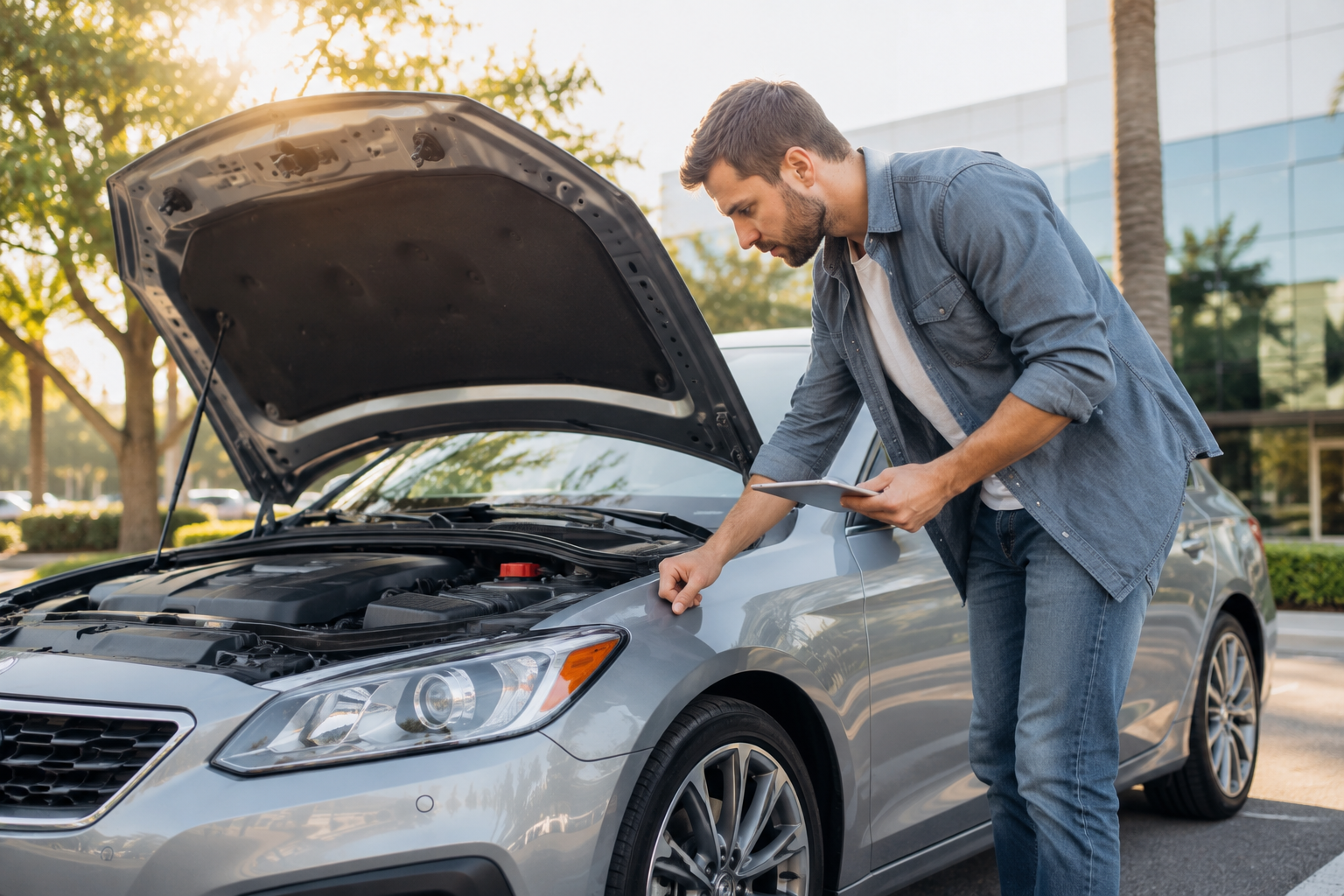
Plans to install LPG equipment should ideally be considered before purchasing the vehicle. This helps avoid a situation in which fuel savings fail to offset future conversion or maintenance costs.
Before choosing a vehicle, it is worth checking:
- the type of fuel system;
- engine compatibility with fourth-generation LPG equipment;
- whether proven technical solutions exist for the specific model;
- the terms of the manufacturer’s warranty when LPG is installed;
- expected annual mileage and the approximate payback period.
For vehicles with low annual mileage, installing LPG equipment may not always be economically justified. It is therefore important to consider not only the potential fuel savings, but also the engine’s design characteristics and the manufacturer’s requirements.
A properly selected engine and correctly calibrated LPG system can significantly reduce fuel costs without creating unnecessary risk to the service life of the power unit.
Top popular news
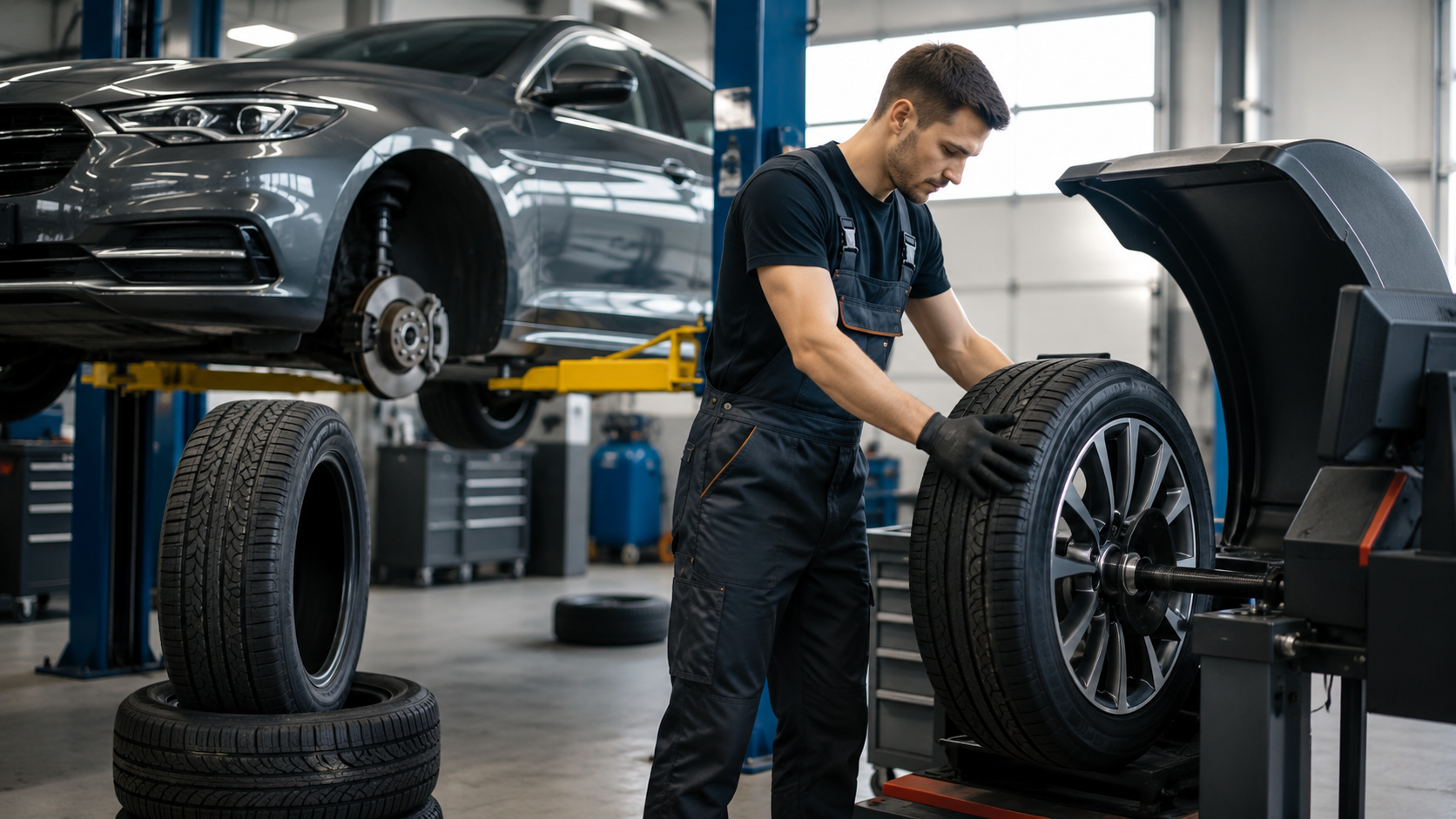
- Seasonal tyre changes: more than simply swapping wheels
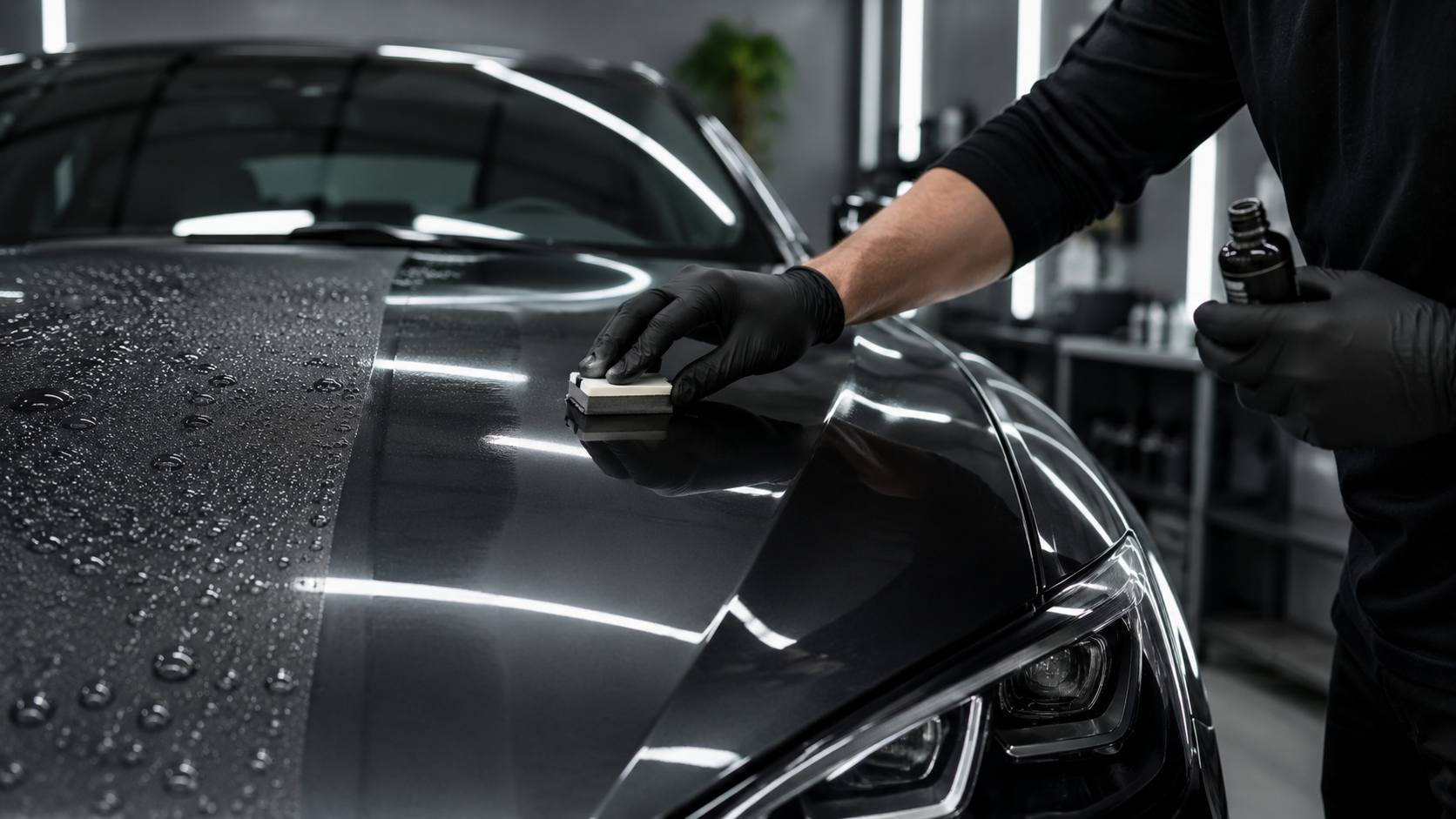
- Ceramic body coating: real capabilities without marketing myths
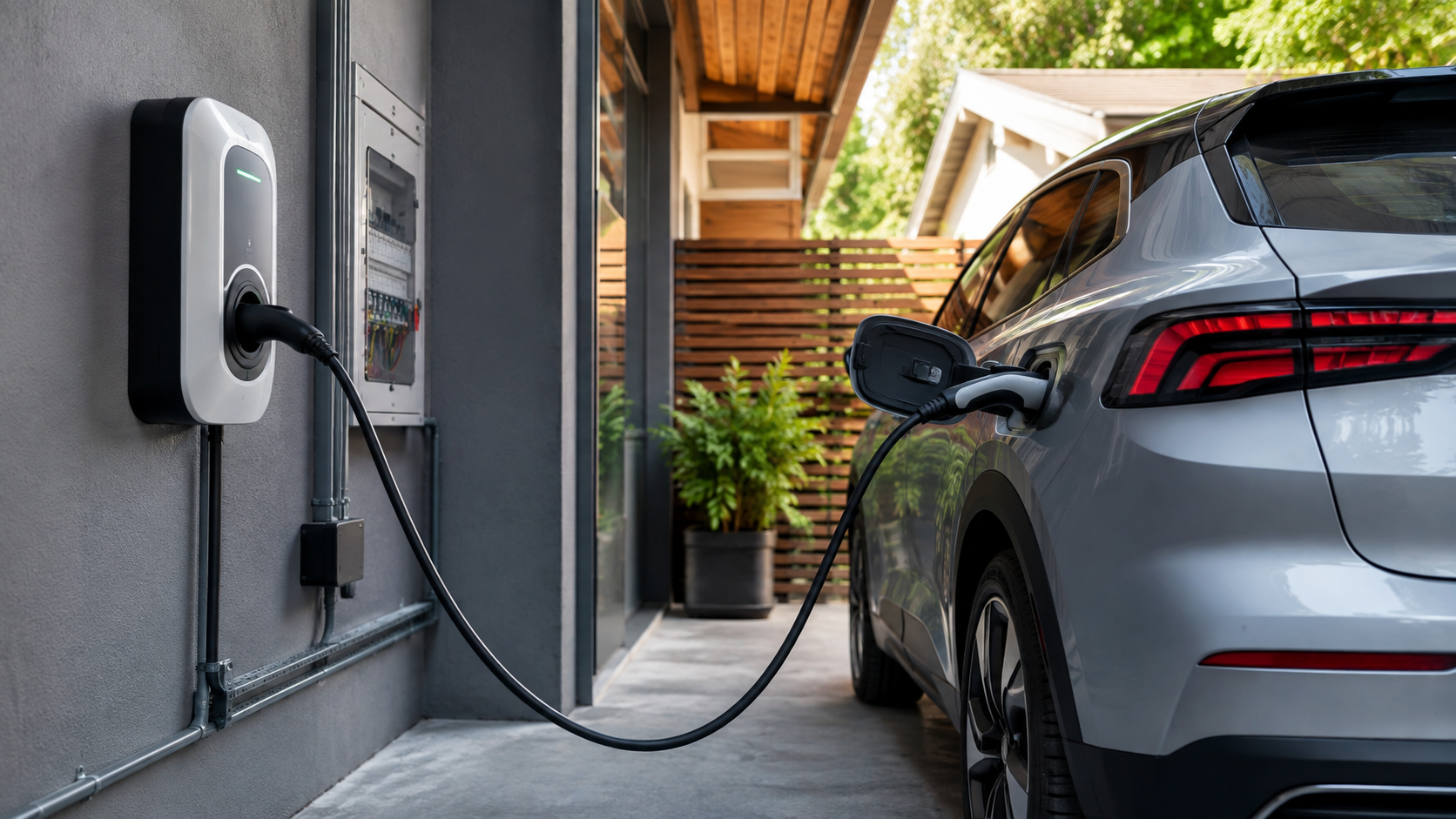
- Charging an electric car at home: requirements to consider before buying
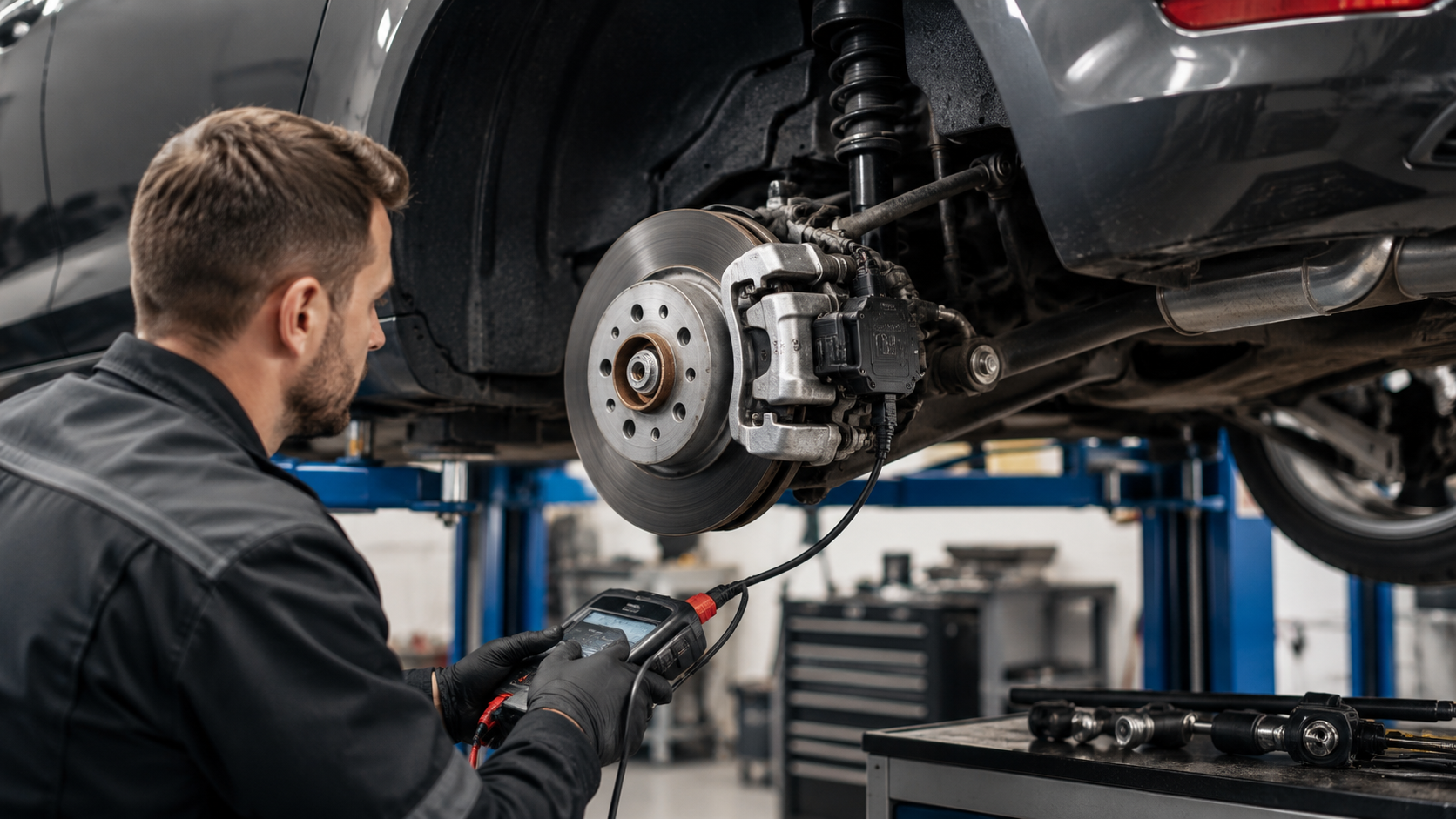
- Electronic parking brake will not release: what to do when the vehicle is stuck
- Signs of control-arm bushing knock that are easy to confuse with other suspension faults
- Finding a short circuit in vehicle wiring without dismantling half the car
- Starter does not crank the engine: causes you can identify before visiting a workshop
- A/C compressor seizure: warning signs that should not be ignored

Subscribe to our newsletter!
To stay updated with the latest news
Related services


Book a service