Daily with | 08:00 - 20:00


Find

Contact us

Kyiv
st. Garmatnaya, 3
 Мережа СТО в місті

Kyiv
st. Garmatnaya, 3
 Мережа СТО в місті

 Години роботи
 Daily with
08:00 - 20:00
Electronic parking brake will not release: what to do when the vehicle is stuck
After pressing the electronic parking brake button, the car does not respond, a warning appears on the instrument panel, and the vehicle cannot move. The situation often looks much more serious than it actually is. When the electronic parking brake will not release, the first action depends on the cause of the lockup. The problem may lie not only in the brake mechanism, but also in the battery, electric actuator, or control unit.
How EPB works and how it differs from a conventional handbrake
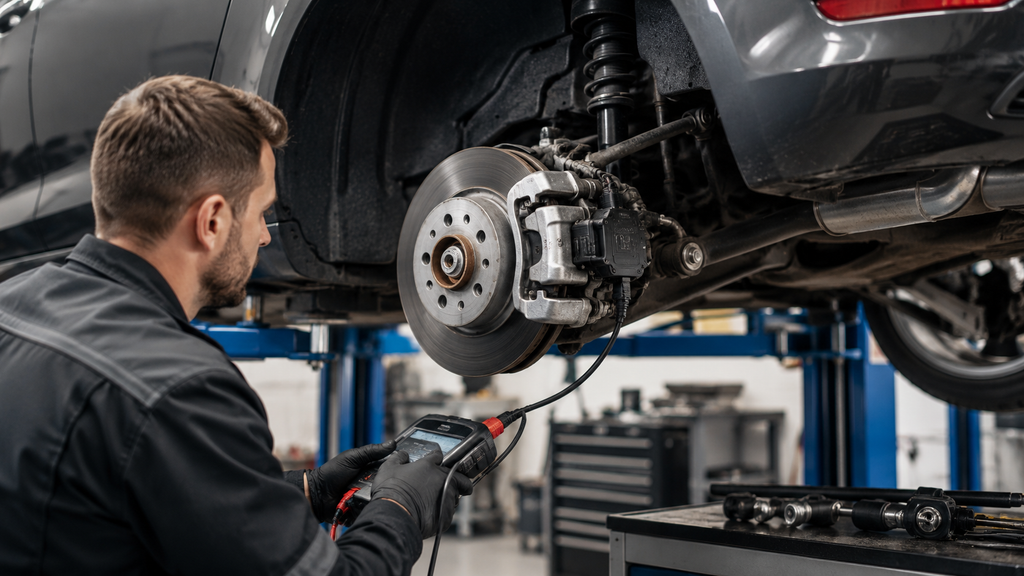
In a mechanical parking brake, the pads are applied by a cable operated through a lever or pedal. In an EPB (Electronic Parking Brake) system, the cable is replaced by an electric actuator. When the button is pressed, the control unit sends a command to the brake-caliper actuator, which moves the mechanism with the required force.
The system includes:
- a brake control unit;
- a brake-caliper actuator;
- position sensors;
- electrical wiring;
- a control button.
This design allows the electronic parking brake to interact with other vehicle systems, automatically maintain the required pad-clamping force, and monitor correct mechanism operation.
What causes EPB failure
The most common causes are:
- low battery voltage;
- a faulty brake-caliper actuator;
- damaged wiring or connectors;
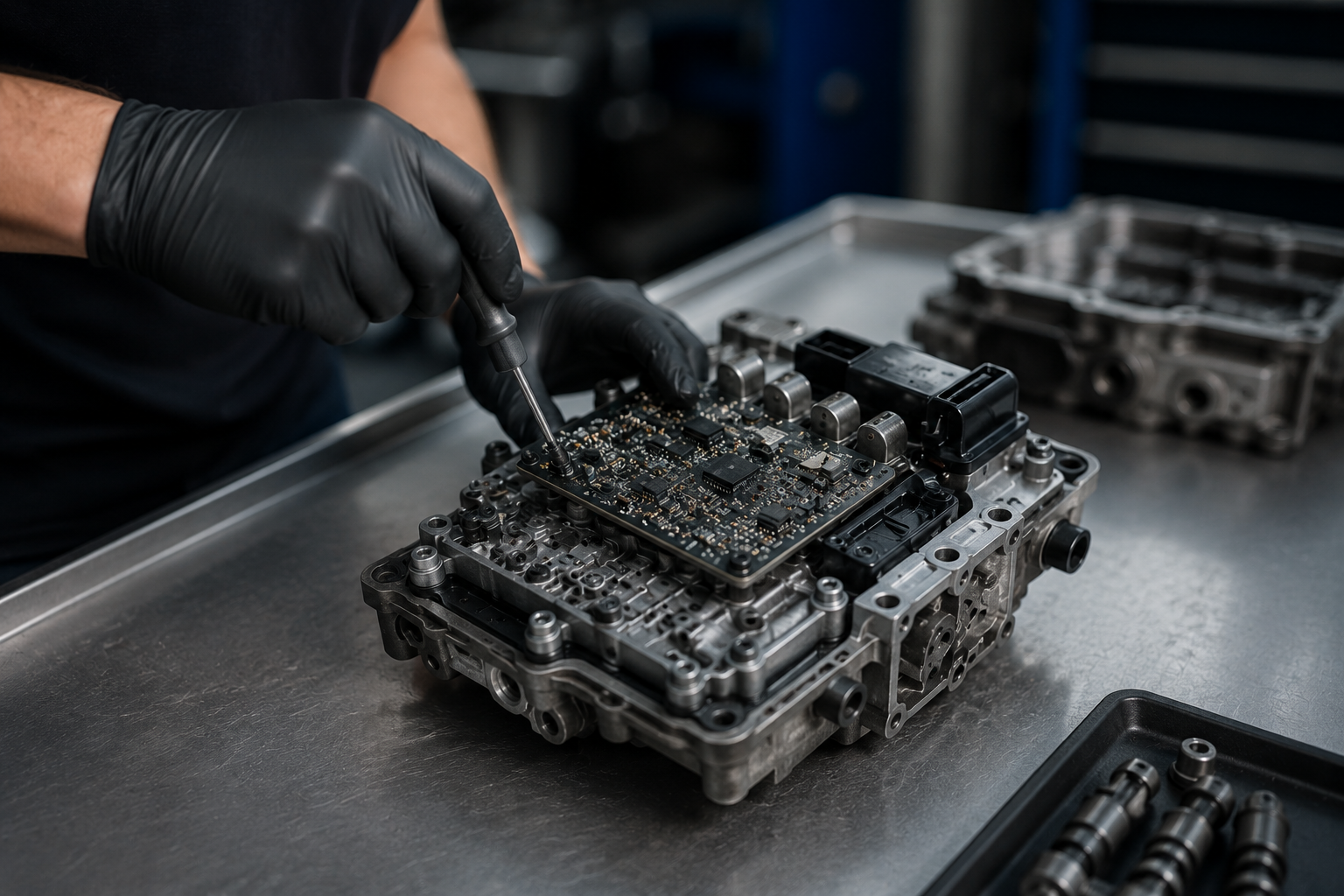
- a control-module fault;
- critically worn brake pads.
The most common reasons why the electronic parking brake does not operate are related to insufficient power supply or electronic faults. Even a fully serviceable mechanism cannot carry out the command if battery voltage is too low for the electric actuator to work.
A typical example occurs in winter. After the vehicle has been parked overnight, an EPB fault message appears on the instrument panel even though the system worked normally the day before. After the battery is charged or the vehicle is started from an external power source, the warning disappears. In most cases, this behaviour indicates low voltage rather than mechanical damage to the brake assembly.
The problem may also be indicated by a parking brake warning on the instrument panel. Such a message should not be ignored because it often appears before the mechanism becomes completely locked.
The vehicle will not move: how to act without unnecessary risk
A locked parking brake does not mean that force should be applied immediately or that the vehicle should be forced to move. First, make sure the battery has sufficient charge and that there are no other fault messages on the instrument panel that could affect electronic-system operation.
The first recommended steps are:
- switch the ignition off and back on;
- check the battery charge level;
- review the messages from the vehicle’s onboard system;
- follow the manufacturer’s emergency-release instructions.
Some models provide an EPB emergency release that temporarily frees the brake mechanism. The procedure varies according to vehicle design, so only the manufacturer’s instructions should be followed.
A vehicle with a locked parking brake should not be towed without releasing it first. On some models, doing so may damage the electric actuator, brake caliper, or other system components.
Why brake-pad replacement requires service mode
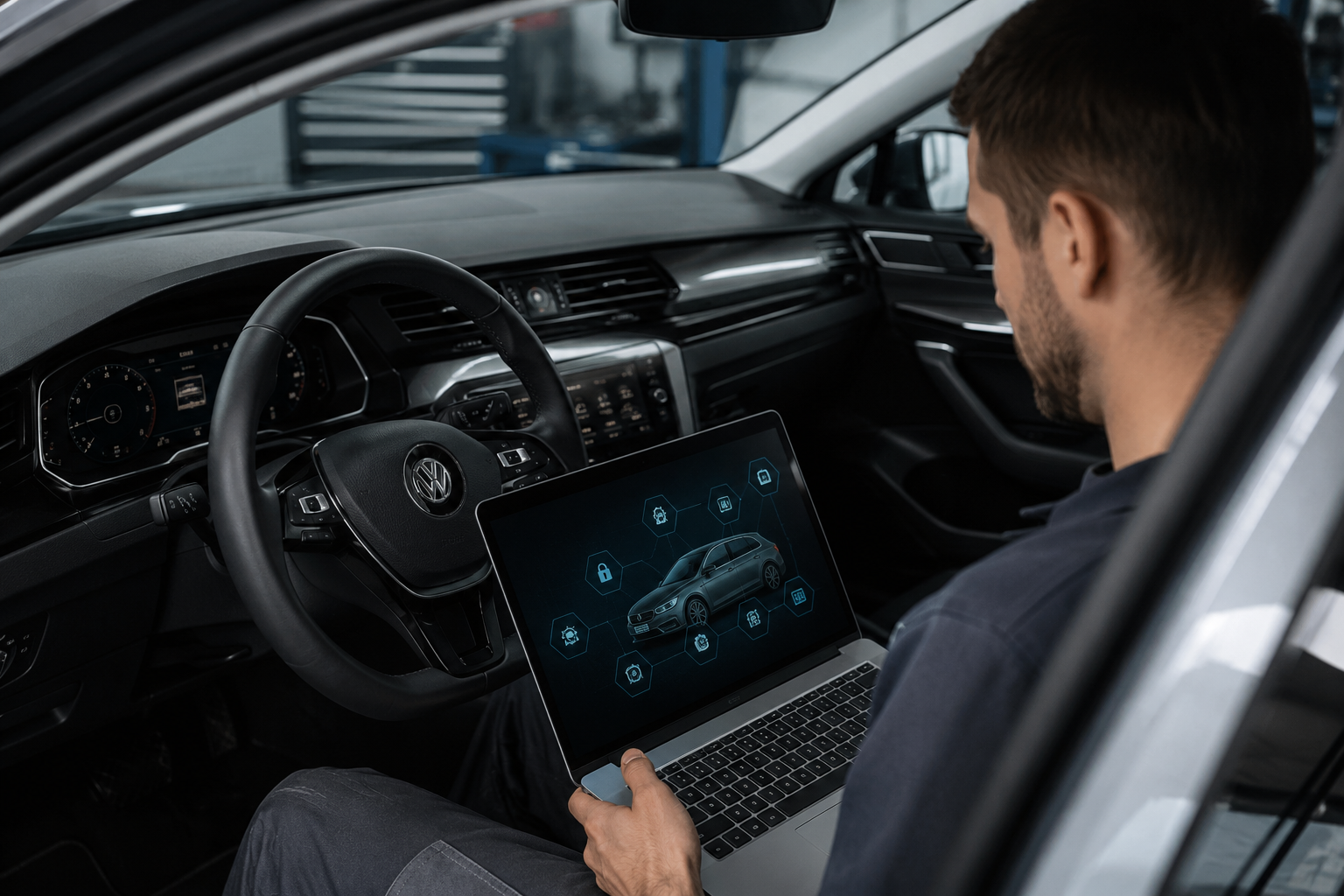
Servicing a vehicle with EPB differs from working on a model with a conventional handbrake. Before replacing the rear brake pads, the electric actuator is placed in service mode so that it fully releases the mechanism.
After the work is completed, brake-pad calibration after replacement must be carried out. The control module determines the new pad position and sets the correct clamping force. Skipping this stage may cause fault messages to return or the parking brake to operate incorrectly.
How to prevent the system from locking again
Most serious faults begin with minor irregularities that are easy to notice at an early stage. Intermittent warning messages, slow actuator operation, or inconsistent parking-brake engagement already justify an inspection.
When an EPB electronic parking brake fault appears, it is important to identify the real cause rather than replace parts at random. Vehicle owners planning an electronic parking brake actuator replacement are usually interested in the price of the repair. It depends on the actuator design, whether the control module must be programmed, and whether calibration is required after installing new components.
Timely diagnostics, monitoring battery condition, and correct system maintenance help prevent situations where the electronic parking brake unexpectedly immobilizes the vehicle at the worst possible moment.
Top popular news
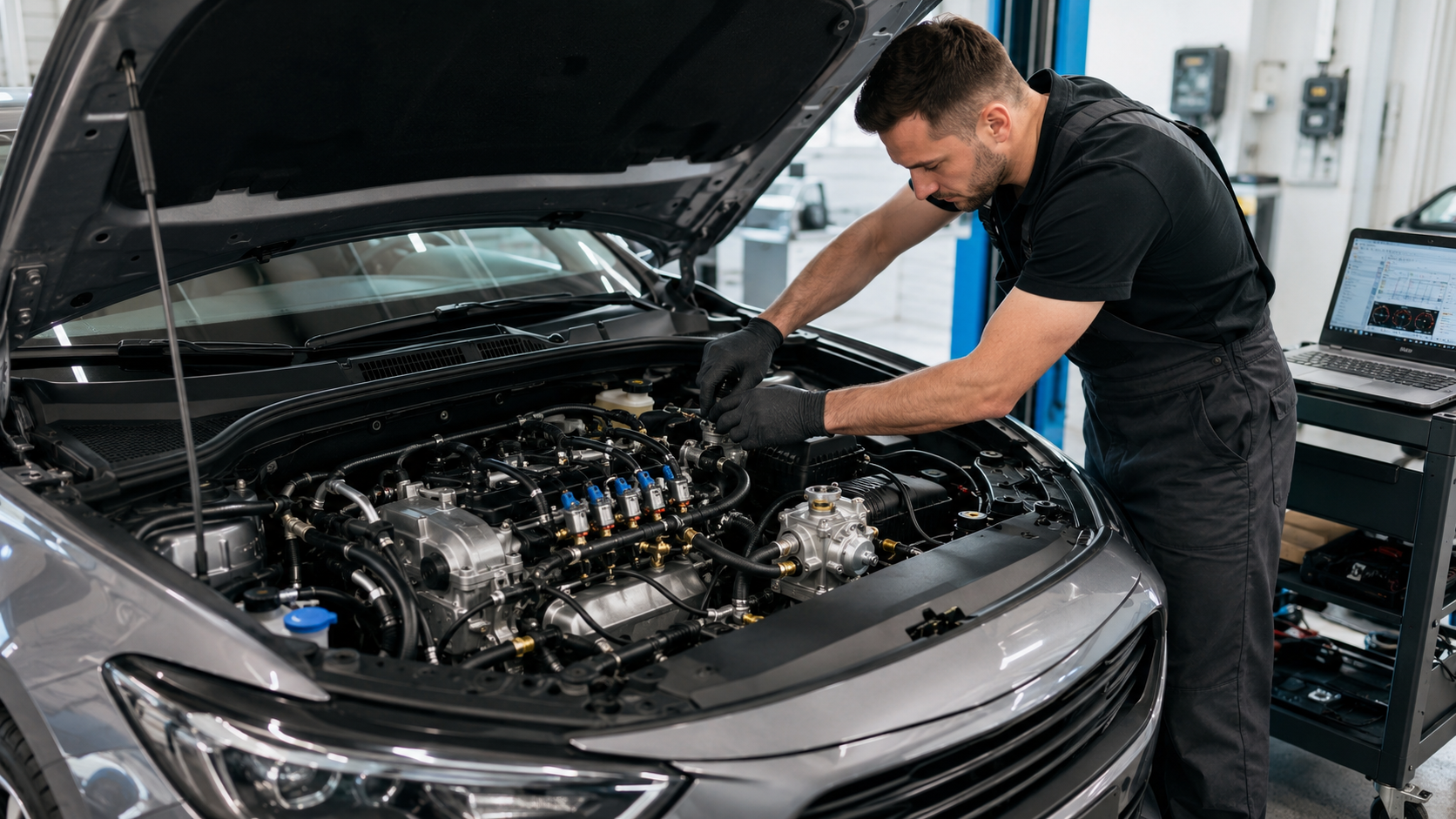
- Installing LPG on a new car: not every engine works equally well on gas
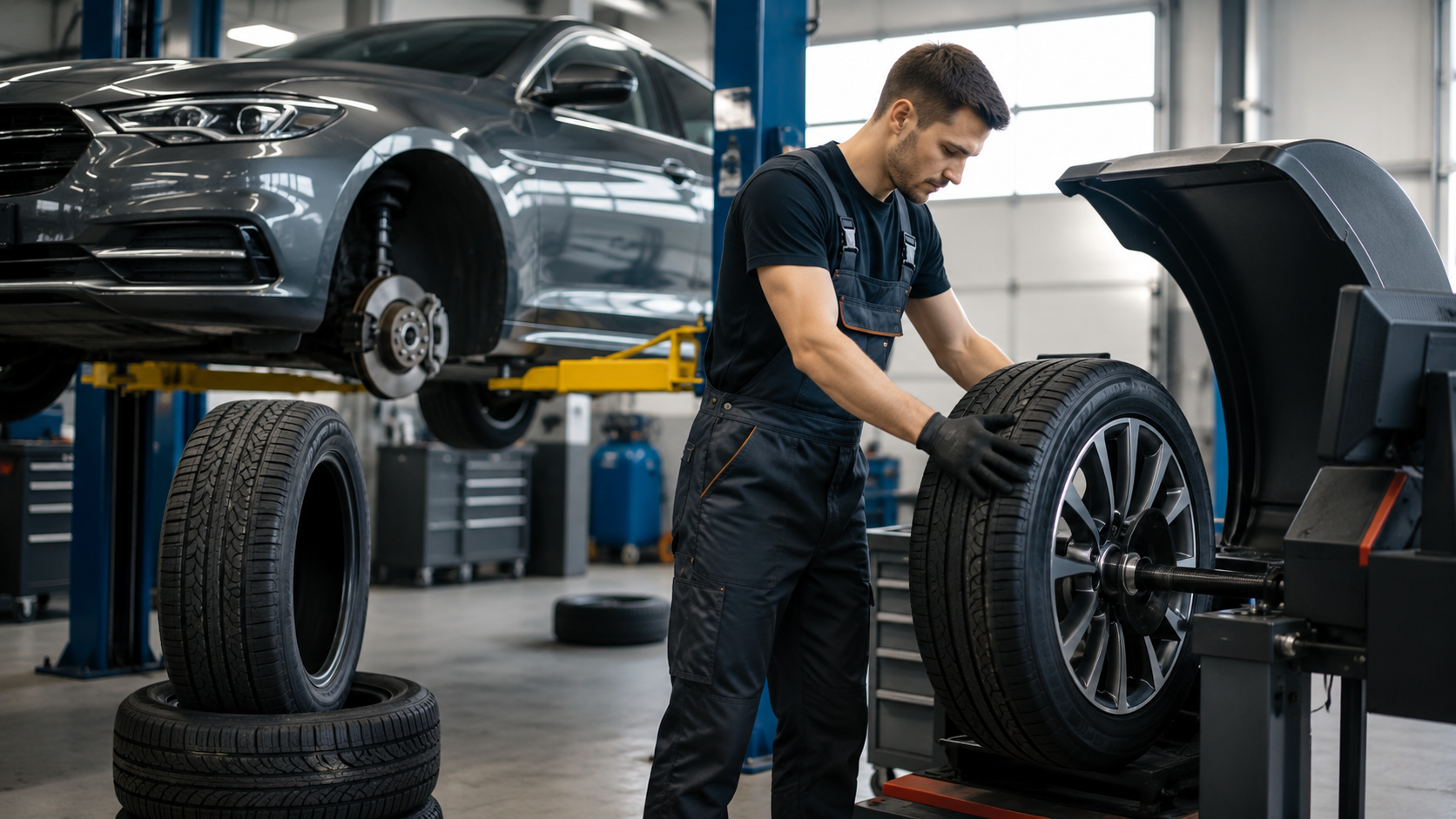
- Seasonal tyre changes: more than simply swapping wheels
- Ceramic body coating: real capabilities without marketing myths
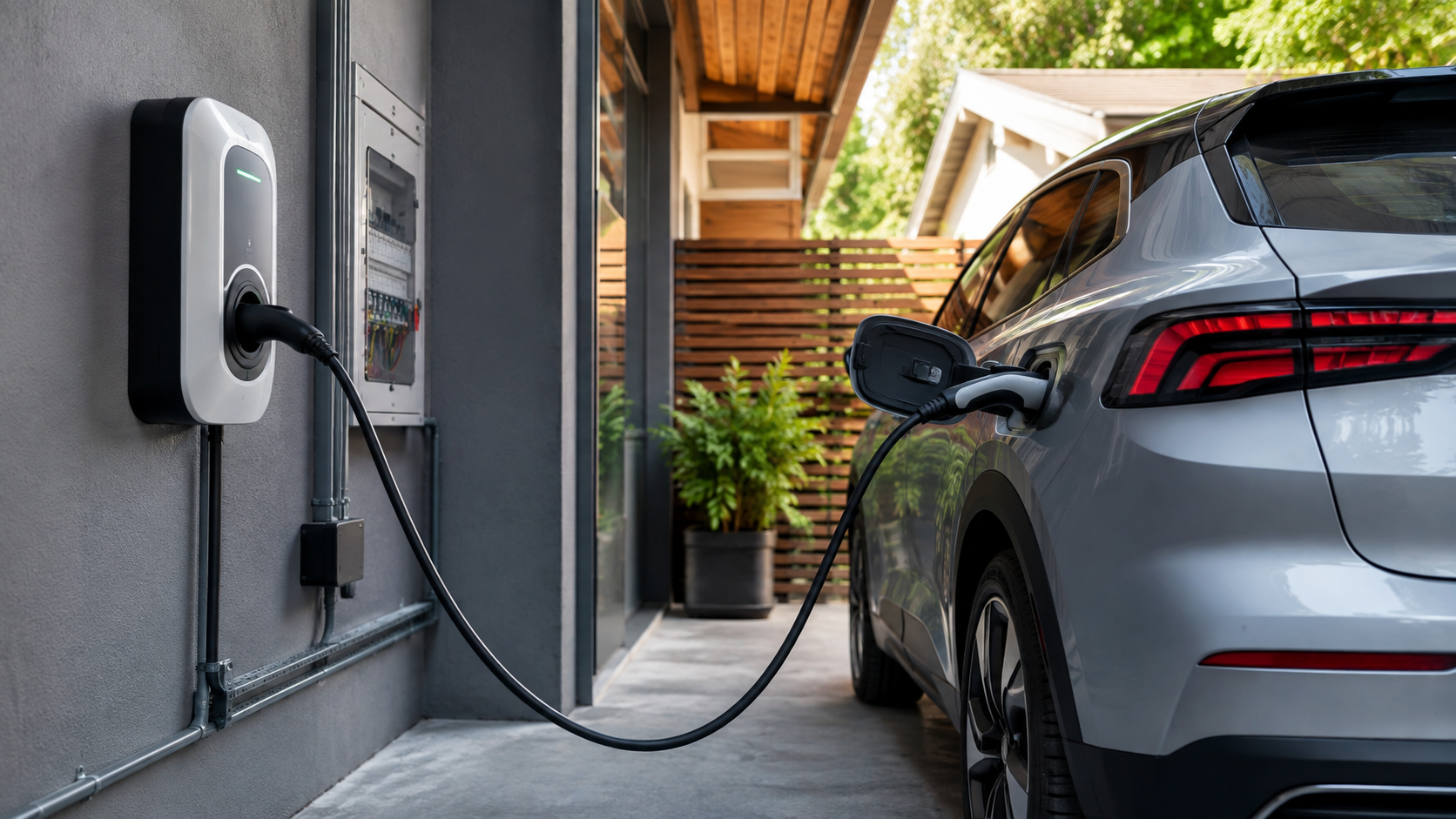
- Charging an electric car at home: requirements to consider before buying
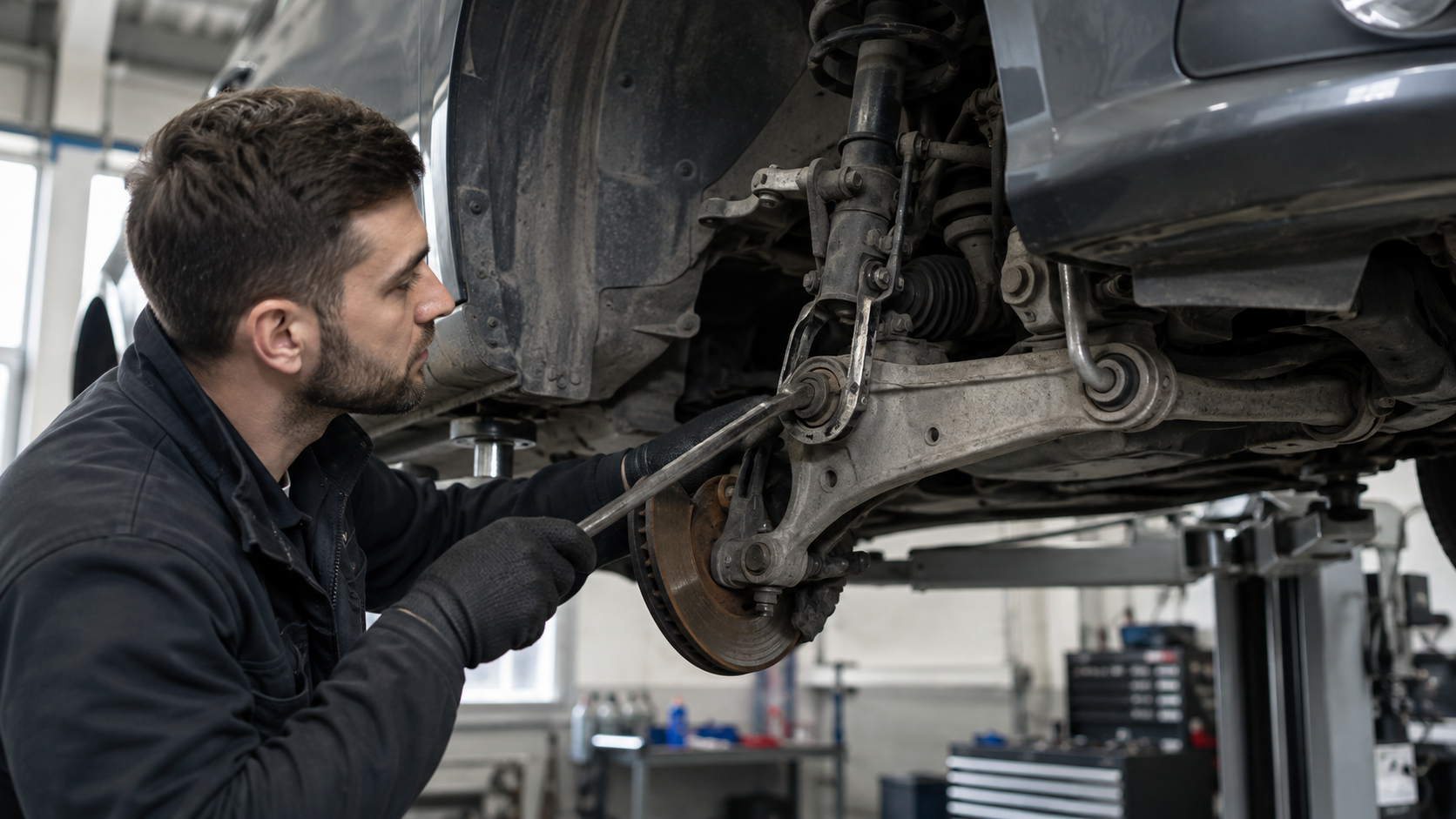
- Signs of control-arm bushing knock that are easy to confuse with other suspension faults
- Finding a short circuit in vehicle wiring without dismantling half the car
- Starter does not crank the engine: causes you can identify before visiting a workshop
- A/C compressor seizure: warning signs that should not be ignored

Subscribe to our newsletter!
To stay updated with the latest news
Related services


Book a service